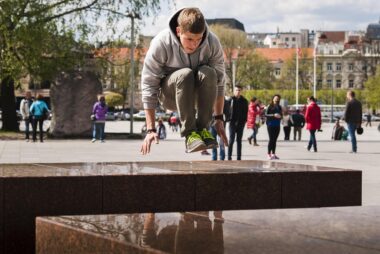

Training the Aerobic System to Improve Parkour Endurance
Parkour training demands a considerable amount of endurance, which can be enhanced through targeted aerobic conditioning. The aerobic system serves as the foundation for sustaining physical activity, crucial for practitioners who engage in diverse movement challenges. To improve performance in parkour, one must focus on consistent aerobic training. Activities such as running, cycling, and swimming can significantly contribute to increasing cardiovascular endurance. Engaging in such exercises allows the heart, lungs, and muscle cells to work more efficiently, ultimately expanding the body’s capacity for prolonged exertion. One effective approach includes incorporating moderate-intensity, long-duration workouts to strengthen the aerobic base. Additionally, the inclusion of high-intensity interval training (HIIT) approaches during specific sessions can ramp up both aerobic and anaerobic capacities. These methods can be seamlessly integrated into parkour training routines. By varying workout styles and intensities, athletes can strategically develop both endurance and skill simultaneously, ensuring that their aerobic conditioning meets the demands of parkour. Nutrition and proper recovery also play significant roles in optimizing endurance training, making it vital to maintain a balanced diet and adequate rest during rigorous training regimens.
Developing a solid aerobic foundation is essential for parkour enthusiasts seeking to improve their endurance. Numerous training modalities can assist in building this foundation, such as steady-state cardio and interval training. Steady-state workouts, where individuals maintain a consistent, moderate effort over extended periods, help strengthen the aerobic system gradually. Activities like jogging or swimming encourage efficient oxygen utilization, critical for long-duration parkour sessions. On the other hand, interval training demands short bursts of maximum effort followed by periods of recovery, stimulating the cardiovascular system and boosting overall endurance. Mixing these two training styles can provide a comprehensive approach to aerobic development. Moreover, tracking heart rate during workouts ensures athletes remain within their target zones, optimizing training effects. Familiarizing yourself with your maximum heart rate is vital for determining appropriate intensity levels. Calculating estimated heart rate zones can help guide your training sessions, leading to more tailored workouts. Rest and recovery periods between training sessions are also crucial for athletes. Doing so promotes muscle repair and adaptation, allowing for sustained progress in endurance and overall performance, ultimately leading to significant advancements in mastering parkour movements and challenges.
Benefits of Aerobic Training in Parkour
Incorporating aerobic training into parkour routines provides numerous benefits, significantly impacting overall athletic performance. Developing a robust aerobic system enhances endurance, allowing practitioners to execute complex movements for extended durations without fatigue. Enhanced cardiovascular health from aerobic training leads to improved circulation, which efficiently delivers oxygen and nutrients to muscles during high-demand activities. Furthermore, increased aerobic capacity promotes quicker recovery times between parkour sessions, enabling athletes to train more frequently and intensively. The integration of aerobic conditioning allows parkour athletes to tackle longer runs, baubles, and tough terrain without exhausting themselves. Additionally, this form of training supports mental stamina, fostering focus and composure during challenging movements. Improved endurance through aerobic conditioning can also reduce injury risk, as well-conditioned muscles and joints can withstand the physical strains placed upon them. With a well-developed aerobic base, athletes can perform advanced skills more effortlessly and with better precision. Ultimately, overall athletic performance benefits, enhancing enjoyment and satisfaction in parkour pursuits. Consistent aerobic training leads to personal growth, empowering athletes to embrace new challenges while enjoying the journey of improvement in their parkour practice.
The importance of proper nutrition cannot be overstated when it comes to improving endurance through aerobic training. Fueling the body with adequate nutrients is vital for achieving optimum performance levels in parkour. A well-balanced diet comprised of carbohydrates, proteins, and healthy fats provides energy and supports recovery. Carbohydrates serve as the primary energy source during aerobic activities, while proteins aid muscle repair and growth. Meanwhile, healthy fats play an essential role in promoting overall health, contributing to hormone regulation and cognitive function. Hydration is another critical aspect of nutrition that should never be overlooked. Maintaining adequate fluid levels optimizes cardiovascular function and prevents fatigue during intense training sessions. Athletes should remain vigilant in monitoring their hydration status before, during, and after workouts. Additionally, meal timing can influence energy availability during parkour training. Consuming a pre-workout meal rich in carbohydrates and moderate in protein can maximize endurance performance. Recovery meals containing a balance of carbohydrates and proteins immediately after training help replenish glycogen stores and promote muscle repair. By prioritizing nutrition and hydration, parkour athletes empower themselves to optimize aerobic conditioning, fostering improved endurance and skills essential for mastering parkour movements.
Progress Tracking and Adjustment
To achieve optimal results in aerobic training for parkour, consistent monitoring and evaluation of performance levels are necessary. Tracking progress allows athletes to identify trends and areas in need of improvement, ensuring training remains effective and tailored to individual needs. Recording vital metrics such as distance covered, heart rate, and workout duration can help paint a clear picture of an athlete’s advancements over time. This data provides insight into the effectiveness of various training methods, motivating athletes to push towards their goals. Additionally, setting specific, measurable, achievable, relevant, and time-bound (SMART) goals can encourage continued progress in endurance. Regularly revisiting and reassessing these goals fosters a growth mindset, motivating parkour practitioners to embrace challenges and remain committed to endurance training. Furthermore, adjusting training regimens based on performance assessments is crucial to addressing potential plateaus. When significant progress is observed, increasing intensity or incorporating new training styles can stimulate further adaptation and growth. By carefully observing progress and adapting strategies as needed, athletes will cultivate a deep understanding of the aerobic system’s role in their parkour journey, positioning themselves for lasting improvement.
Integrating mental strategies into aerobic training can enhance focus, motivation, and enjoyment for parkour athletes. Mental resilience plays an essential role in pushing through tough training sessions and circumstances. Visualization techniques can significantly impact performance, helping athletes mentally rehearse skills and tactics before executing them in real scenarios. Practitioners may also benefit from incorporating mindfulness practices, which promote presence and awareness during workouts. Such techniques can reduce anxiety and improve concentration, leading to enhanced performance over time. Additionally, embracing a positive mindset fosters motivation and resilience during challenging training. Athletes should celebrate their achievements, regardless of size, and use these victories to sustain enthusiasm for future sessions. Support from fellow practice partners or coaches can also bolster motivation, providing accountability and encouragement in the pursuit of athletic improvement. Surrounding oneself with individuals who share similar aspirations can create a sense of community that can propel athletes forward. Ultimately, blending mental strategies into aerobic training for parkour strengthens one’s ability to navigate the challenges faced throughout their parkour journey and can lead to extraordinary growth in endurance and overall athletic performance.
Conclusion: The Path to Enhanced Parkour Endurance
In conclusion, effectively training the aerobic system is vital for anyone seeking to enhance their endurance in parkour practice. A well-developed aerobic capacity supports prolonged exertion, improves recovery time, and bolsters performance capabilities across various movement challenges. Incorporating steady-state cardiovascular workouts and interval training serves as an excellent foundation for developing endurance. By complementing training with nutrition and hydration strategies, athletes can ensure they are adequately fueled for the demands of parkour. Additionally, monitoring progress and employing mental strategies can further enhance motivation and performance. As parkour continues to evolve as a discipline, practitioners who understand the importance of aerobic training and implement these principles will ultimately excel. Embracing the challenges and rewards of endurance training fosters a sense of achievement, promoting sustained growth both in the individual’s abilities and appreciation for the sport overall. As athletes integrate these diverse training aspects, they can reach impressive new heights in their parkour journey, unlocking their potential and pushing the boundaries of what is possible in this dynamic and exhilarating discipline.
In conclusion, effectively training the aerobic system is vital for anyone seeking to enhance their endurance in parkour practice. A well-developed aerobic capacity supports prolonged exertion, improves recovery time, and bolsters performance capabilities across various movement challenges. Incorporating steady-state cardiovascular workouts and interval training serves as an excellent foundation for developing endurance. By complementing training with nutrition and hydration strategies, athletes can ensure they are adequately fueled for the demands of parkour. Additionally, monitoring progress and employing mental strategies can further enhance motivation and performance. As parkour continues to evolve as a discipline, practitioners who understand the importance of aerobic training and implement these principles will ultimately excel. Embracing the challenges and rewards of endurance training fosters a sense of achievement, promoting sustained growth both in the individual’s abilities and appreciation for the sport overall. As athletes integrate these diverse training aspects, they can reach impressive new heights in their parkour journey, unlocking their potential and pushing the boundaries of what is possible in this dynamic and exhilarating discipline.