
Understanding Chakras: The Energy Centers in Yoga and Mind-Body Practice
Chakras serve as essential energy centers within the practice of yoga, acting as focal points for mental, emotional, and physical health. Originating from ancient Indian traditions, these centers align with various areas within the body, each associated with distinct attributes and experiences. There are seven main chakras, each linked to specific elements of our human experience, from our survival instincts to our spiritual connections. The concept of chakras emphasizes the interrelationship between physical states and psychological wellness. When one chakra is blocked or imbalanced, it can manifest not only in physical ailments but also in cognitive and emotional imbalances, highlighting the importance of maintaining harmony within these energy centers. Practicing yoga can help to open, balance, and align the chakras through specific postures, breathing exercises, and meditation techniques. Incorporating these practices into daily life can enhance personal well-being, increase self-awareness, and cultivate deeper mind-body connections. This article explores the significance of chakras in yoga and offers insights into maintaining their equilibrium for overall health.
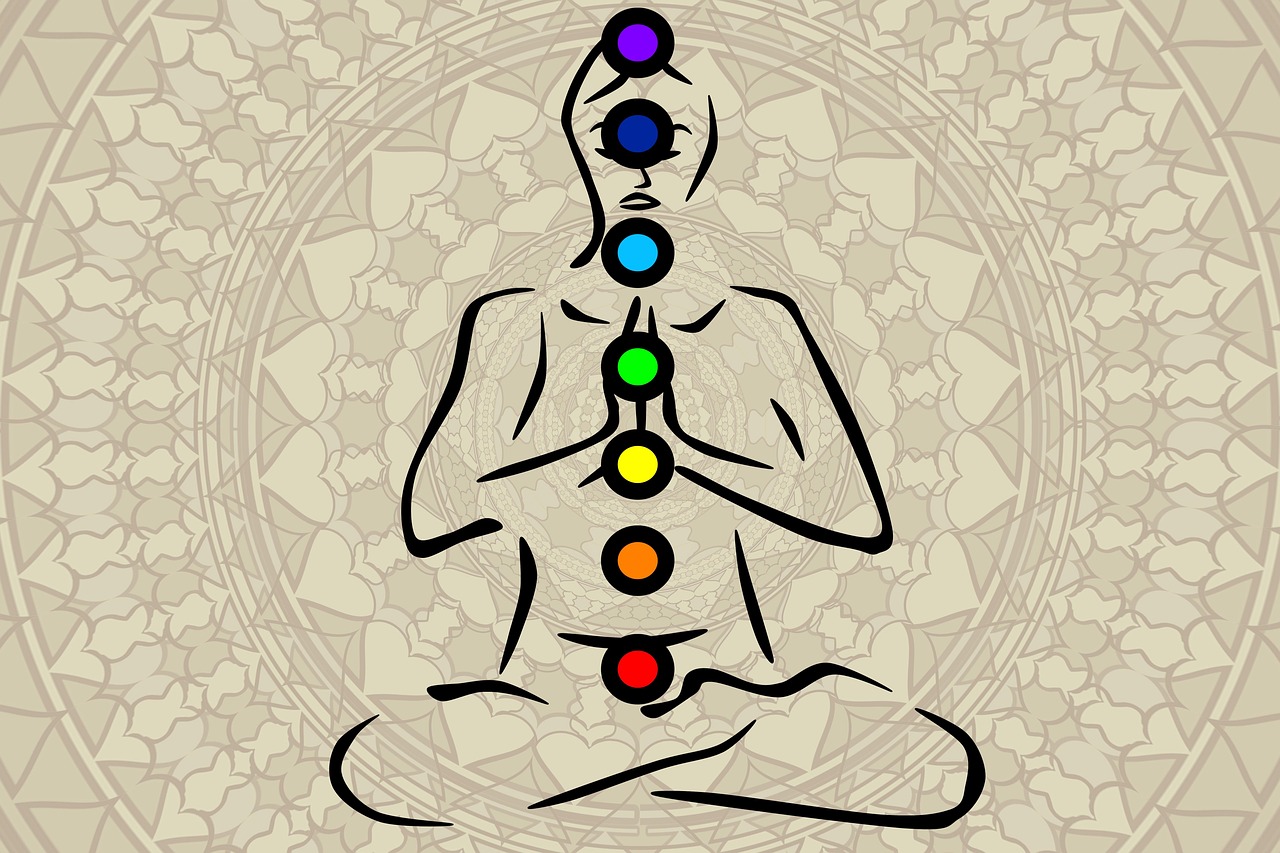
Delving deeper into the individual chakras, we find they each correspond to particular aspects of life and health. The root chakra, located at the base of the spine, embodies our foundational feelings of security and safety. This chakra governs our survival instincts and sense of belonging. Moving up, the sacral chakra is involved with creativity, pleasure, and emotional well-being. Balancing this center can enhance personal connections and artistic expression. The solar plexus chakra, centered in the abdominal area, relates to self-esteem, confidence, and personal power. It is crucial for establishing boundaries and asserting oneself in social situations. The heart chakra, located at the center of the chest, represents love, compassion, and connection to others. Blessing oneself and others with love helps to open this vital energy center. The throat chakra governs communication, enabling honest expression of thoughts and emotions. The third eye chakra, situated between the eyebrows, is linked to intuition and perception, while the crown chakra connects us to spirituality and higher consciousness. Understanding each chakra informs our practices to attain balance and wellness.
Practices for Chakra Balancing
To achieve and maintain chakra balance, various practices can be incorporated into daily routines. Meditation serves as a primary tool, enhancing awareness of each energy center while promoting relaxation and clarity. Practicing mindful breathing techniques can cultivate a sense of grounding and focus. Visualizations are also beneficial; imagining vibrant colors associated with each chakra can empower the respective energy centers. For example, envisioning the color red for the root chakra enhances a sense of stability and safety. Yoga poses specifically designed to target the different chakras facilitate movement and energy flow. Consider poses like Warrior for the solar plexus or Cobra for the heart chakra, among others. Incorporating sound therapy into practices can also be effective. The use of specific frequencies or mantras can help resonate with the energy of each chakra. Finally, essential oils and crystals can provide additional support, with unique properties associated with specific chakras. By understanding and engaging in effective practices, individuals can foster holistic health and well-being.
In addition to yoga and meditation, maintaining a balanced lifestyle plays a significant role in chakra health. Consuming a diet rich in whole foods aligns the body’s energy systems and promotes physical wellness. Incorporating various nutrients can help clear blockages and invigorate the chakra system. For instance, root vegetables and proteins can deepen one’s connection to the root chakra, while fruits and greens can enhance the heart chakra. Additionally, staying hydrated is key, as water plays an essential role in maintaining energy flow throughout the body. Emotionally, nurturing positive relationships and engaging with supportive communities help maintain balance within the chakras. Surrounding oneself with people who foster growth can elevate emotional well-being, promoting overall harmony with the energy centers. Engaging with one’s passions can also uplift and energize the chakras. Activities that ignite joy and creativity elevate vibrations, encouraging free flow of energy. Ultimately, fostering chakra balance requires attention to physical, emotional, and nutritional needs. Celebrating holistic well-being, individuals can nurture their mind-body connection through a balanced lifestyle.
The Role of Energy in Healing
The interplay of energy within chakra systems is central to holistic healing practices in yoga and other modalities. Understanding this energy dynamic allows practitioners to seek self-healing and empowerment. The concept that energy flows through the body, affecting not only physical states but also emotional and mental health, underpins many healing philosophies. Energy blockages can result in physical discomfort, emotional distress, and spiritual disconnection. Working through these blockages can enable healing and help individuals reclaim their vitality. Practicing breathwork, yoga, and meditation opens pathways that enhance energy flow, encouraging accessible healing. Creating a personal ritual enhances this process; regularly engaging with self-reflection and checking in with each chakra deepens the connection to oneself and what needs nurturing. Partnering with others in energy work, such as Reiki or therapeutic touch, can help uncover deeper layers of energy that might be stagnant. Overall, understanding energy in healing enhances the mind-body connection, allowing holistic practices to address the complete being, ultimately leading to greater harmony and vitality.
Incorporating the understanding of chakras into one’s spiritual practice can deepen the experiences of those on the journey of self-discovery. Awareness of how energy centers affect behavior and emotions fosters a sense of accountability and self-care. Individuals learn to recognize signs of imbalance, prompting proactive measures for maintaining wellness. As one becomes more attuned to the nuanced signals from the body, it becomes easier to identify when a specific chakra needs attention. This awareness can be cultivated through consistent practice, patience, and mindfulness. Recognizing triggers and patterns leads to powerful insights, encouraging transformative changes. Sharing knowledge about chakras with others can enrich community bonds and empower collective growth. Workshops and group practices provide opportunities for individuals to support one another on their paths to balance. Creating safe spaces for discussion around chakras encourages open dialogue and enhances understanding. The more individuals share their experiences, the more they collectively amplify the energy of the chakra system for healing and empowerment. Emphasizing personal and communal engagement can significantly enhance the journey toward enlightenment and purpose.
Conclusion on Chakras and Mind-Body Connection
In conclusion, exploring chakras within the field of yoga exemplifies the deep mind-body connection that influences overall well-being. By embracing the role of each chakra, practitioners can engage more holistically in their wellness journeys. The integration of breathwork, meditation, yoga, and mindful lifestyle choices supports the balance of these energy centers. Individuals are empowered to identify imbalances, develop personalized practices, and foster holistic health. The interconnected nature of physical and emotional health underscores the importance of nurturing both realms. Acknowledging the inherent connection encourages broader exploration of healing practices and energetic awareness. As awareness of the chakras grows, individuals can harness their potential to ignite change and transformation within themselves. Through consistent practice and engagement with the self, practitioners may find deeper levels of peace, understanding, and fulfillment. As we navigate through life, returning to the energies of our chakras allows for personal growth and harmony with the universe. Embracing the concepts inherent in chakra work will foster lasting benefits, enhancing the overall mind-body connection in a meaningful way.