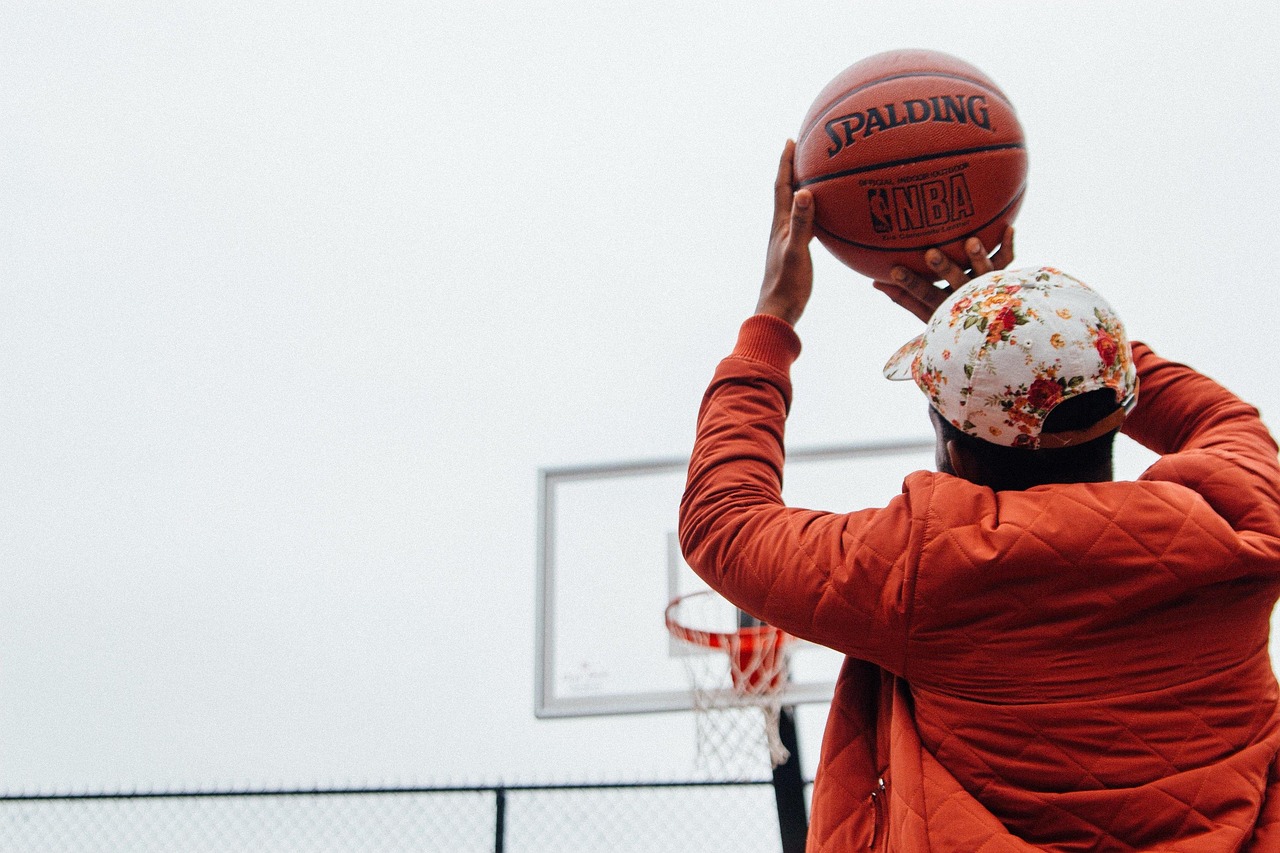

Using Video Analysis to Improve Shooting Techniques
Shooting guards play a vital role in a basketball team, as they are primarily responsible for scoring points through perimeter shooting. Video analysis has become an essential tool for players aiming to improve their shooting techniques. By using video analysis, players can review their shooting form, identify mistakes, and make necessary adjustments. This process involves recording practice sessions or games, then reviewing the footage to analyze aspects such as foot placement, hand positioning, and shot trajectory. Coaches can provide feedback based on the visuals, helping players grasp concepts that are often difficult to understand without proper observation. The visual representation of their shooting methodology enables athletes to see what is working and what is not. Furthermore, engaging with video analysis allows players to develop their own self-awareness as athletes. They become more receptive to constructive criticism and able to track their progress. Ultimately, mastering shooting techniques through video analysis can significantly benefit shooting guards, enabling them to become more effective scorers for their respective teams and ensuring they develop the necessary skills to excel in high-pressure situations during games.
The Benefits of Using Video Feedback
Video feedback has transformed how basketball shooting techniques are taught and learned. With the ability to slow down footage, players gain insights into their precise movements, which might go unnoticed during live action. This detailed examination highlights weaknesses in technique or form. For instance, analyzing a shooting guard’s follow-through can reveal if they are lacking in extension or balance. By observing these nuances, players can isolate specific aspects to improve effectively. Furthermore, video analysis promotes objective learning; players are not relying solely on their memories or coaches’ comments but observing factual evidence. This leads to a mutual understanding of areas that require improvement. Moreover, to leverage this technology successfully, it is important to incorporate tools like apps that enable recording and annotating videos. Some programs even allow bookmark features to pinpoint critical moments in the footage. As a result, shooting guards can focus their training sessions on specific issues identified in the footage. The ultimate goal here is not just to enhance shooting effectiveness but also to prepare players mentally for real-game scenarios.
One of the key components of using video analysis effectively is the ability to set specific goals based on the footage reviewed. For shooting guards, this could mean targeting areas such as shot accuracy, shot selection, and rhythm. By establishing measurable objectives, players can chart their progress over time and adjust their training approaches accordingly. For example, if videos indicate a lower shooting percentage from the left corner, players can pay more attention during drills in that area, adopting targeted shooting exercises. The objective view provided by video analysis allows for a more strategic mindset towards training practices. Additionally, players might also analyze video of professional shooting guards to learn new techniques or styles. Observing and imitating successful professionals serve as an inspiration and a benchmark for personal development. Furthermore, goal-setting stretches into various training components; shooting guards can focus their athletic conditioning and skills development around their video analysis findings. This comprehensive approach ensures a thorough preparation, which can be especially beneficial during high pressure situations in games.
Moreover, incorporating technology such as wearable devices alongside video analysis can enhance a shooting guard’s training outcome. Many wearables can track shooting metrics such as shot speed, arc, and release time. By combining these data points with video footage, players can create a thorough understanding of their shooting mechanics. Coaches can analyze this information, aligning the video analysis with hard data to deliver comprehensive feedback. This approach aids in refining shooting techniques since coaches can point out discrepancies between what is seen in videos and what the metrics indicate. Furthermore, video analysis supplemented with performance metrics allows shooting guards to establish personalized improvement plans tailored to their needs and deficiencies. This synergy of technology provides a multi-dimensional avenue for growth, whereby players can monitor their performance over time. Consequently, these analytical practices can create a systematic training discipline that nurtures lifelong skills in the sport. As players set higher benchmarks for themselves, they cultivate a competitive edge needed in contemporary basketball where efficiency and effectiveness are crucial on the court.
It’s also important that shooting guards understand the cognitive aspects of their game when utilizing video analysis. Learning to analyze one’s unique style and approach adds a psychological layer to the growth process. Understanding mental barriers that hinder their shooting can assist players in overcoming internal doubts or anxieties. When they see their performance portrayed vividly, it can build confidence and reinforce a proactive mindset. Regular engagement in video reviews can lead to increased self-efficacy; players become more assured in their abilities. Furthermore, this mental training goes hand-in-hand with physical skills improvement; together, they yield better overall performance. Shooters need to recognize the cyclical nature of growth — the more one practices, the more they should analyze their techniques to instill a consistent effort across their training regimen. Consequently, successful shooting guards often develop a routine where practice, analysis, and mental fortitude become interconnected threads of their development. As a result, this method crafts resilient, adaptable players who can adjust their strategies during game situations effectively.
Implementing a Structured Video Analysis Program
To ensure video analysis becomes a core aspect of training, teams should implement a structured program that incorporates regular sessions. Initiating weekly analysis sessions fosters accountability and encourages shooting guards to partake actively in their development. This could involve setting aside specific times for reviewing footage to maintain a routine. Consistency is key; having predefined expectations around the analysis process helps integrate this practice into players’ training regimens. During these sessions, coaches should encourage constructive discussions surrounding the analyzed content, ensuring players engage in meaningful conversations about their performance. Additional strategies could include employing peer review processes, wherein teammates analyze each other’s footage, fostering a collective responsibility toward improvement. Moreover, incorporating findings into game strategies can further bridge the gap between practice and competitive situations. Emphasizing these reviews aligns the focus on continual improvement throughout the season. Ultimately, establishing a consistent and structured approach towards video analysis not only nurtures individual skills but also builds cohesive team dynamics that prioritize teamwork and collective growth.
Lastly, to amplify the effectiveness of video analysis in improving shooting techniques, teams should utilize various educational resources. Engaging with instructional videos, online courses, and workshops led by experienced coaches can share insights into best practices and contemporary approaches. Participating in these learning opportunities helps players understand the technical and tactical elements influencing effective shooting techniques. Additionally, players can access a multitude of free resources available online, such as tutorials and expert analyses, benefiting from the broader basketball community’s knowledge. Utilizing these resources enhances motivation by establishing a connection among players, fostering a sense of unity. As individuals share findings from different educational platforms, collaborative learning becomes more profound. Undertaking broader studies of successful shooting techniques from various levels deepens comprehension and stimulates curiosity, breeding an enterprising spirit. Overall, making educational resources a fundamental part of video analysis expands shooting guards’ understanding while enriching their skill sets and strategies. Ultimately, these combined efforts will render them more adaptable, effective, and innovative shooting players, crucial for their success on the court.
In conclusion, video analysis serves as a powerful tool for shooting guards aiming to refine their shooting techniques. By utilizing detailed footage review, players foster self-awareness and set specific improvement goals. Incorporation of measurable performance metrics enhances training discipline. Mental preparation and understanding of one’s style become critical, while structured analysis sessions encourage accountability. The collaborative aspect of sharing insights with peers further strengthens player development. Supplemental educational resources complement practical skills and foster a cohesive learning community. The cumulative effect of these practices transcends basic shooting techniques to develop resilient athletes capable of navigating high-pressure game scenarios. With commitment and reinforcement of consistent practice, the profound impact of video analysis can elevate shooting guards into top-tier players and invaluable assets to their teams. Such strategies not only yield technical enhancements but also promote a mindset that embraces continuous learning and adaptation, crucial in today’s fast-paced basketball landscape. In embarking on this journey of professional growth fueled by video analysis, players position themselves for success while contributing robustly to their teams’ overall performance on the court.