
Analyzing Performance Metrics with Fitness Wearables in Remote Training
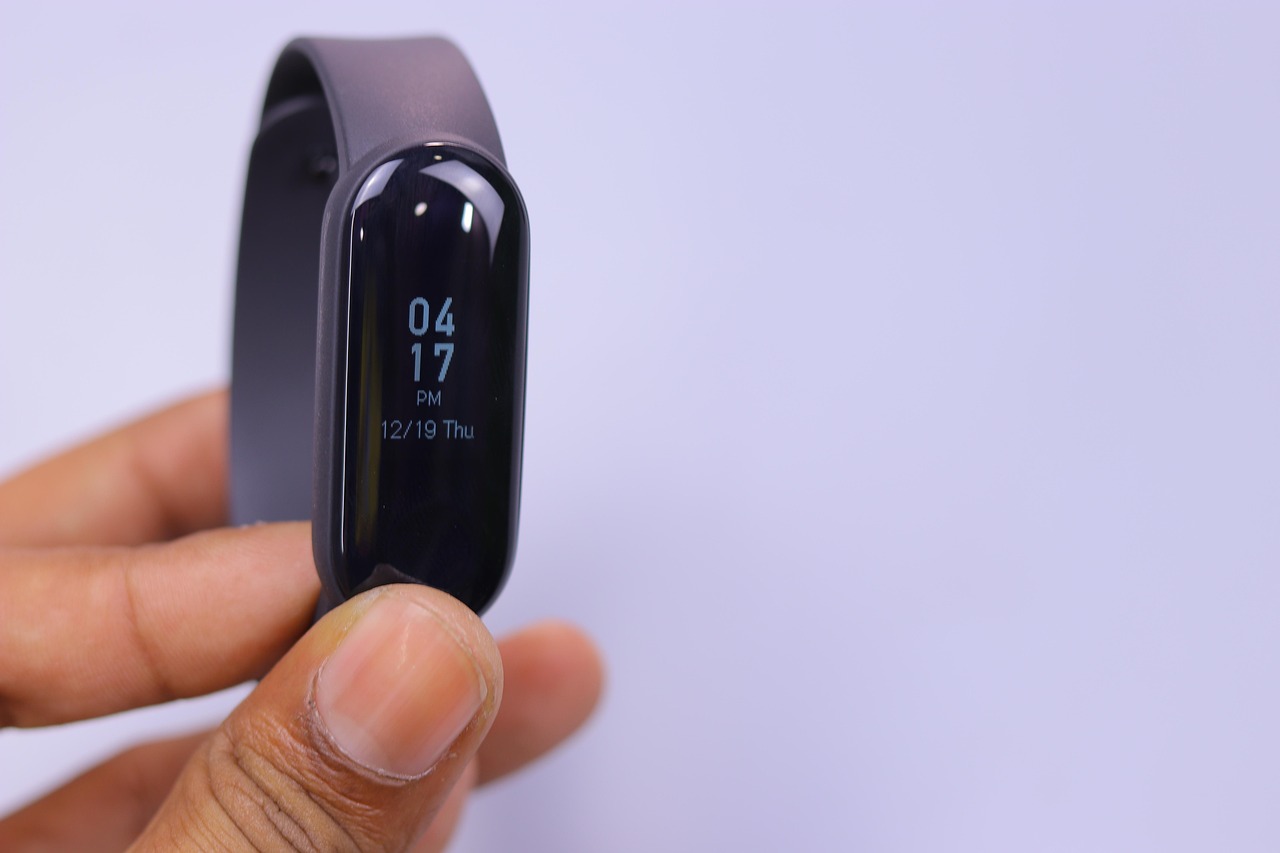
Fitness technology has transformed the way individuals approach training, particularly in a remote coaching environment. Fitness wearables are devices that track various performance metrics to help users optimize their training. This ranges from monitoring heart rates to analyzing sleep patterns, making it easier to understand overall health and performance. These wearables provide real-time data that both athletes and coaches can utilize for adjustments. With a wide range of metrics, such as steps taken, calories burned, and activity levels, users can gain insights that were unavailable before. Moreover, wearables foster accountability and motivate users to stick to their fitness routines. Integrating data from fitness wearables allows for personalized fitness plans. Coaches can use the collected metrics to tailor training to individual abilities and goals. Many wearables now come equipped with GPS and tempo tracking, enabling remote coaches to analyze performance during training sessions effectively. This means that even at a distance, a coach can offer feedback based on concrete data, which can significantly improve training outcomes. Adapting strategies based on analytical data promotes a better understanding of one’s progress and challenges.
One significant advantage of fitness wearables is their ability to provide detailed insights into user performance over time. Data collected over weeks or months illustrates trends that aid in showcasing improvements or revealing potential issues. For instance, prolonged periods of high heart rate can indicate the risk of overtraining. Coaches can utilize this information to implement rest days or modify workout intensity. Additionally, tracking sleep patterns reveals how recovery influences overall performance. Quality sleep is essential for muscle recovery and cognitive function, and wearables allow individuals to adjust their schedules accordingly. Furthermore, insights into daily activity levels, beyond structured workouts, can also highlight populations that require motivational assistance. Coaches can set specific, measurable goals to encourage users to evolve beyond their current state. Incorporating a feedback loop is vital in remote training, as the lack of immediate supervision means that accountability falls upon both parties. Advanced wearables facilitate this through notifications, gamification, and progress sharing. The social aspects, such as sharing milestones or competing with other users, enhance the overall engagement and support networks for individuals involved in remote coaching.
Types of Performance Metrics
Understanding the various performance metrics available through fitness wearables is key in leveraging their full potential for remote coaching. Heart rate variability (HRV) is a crucial metric that indicates the body’s readiness for physical exertion or rest. Knowing one’s HRV can help in understanding how well the body is recovering between sessions, significantly impacting future training strategies. Similarly, tracking VO2 max provides insight into cardiovascular fitness levels and endurance potential. Wearables that monitor steps and daily activity can motivate users to remain active outside of traditional workouts. For strength training, advanced wearables can assess repetitions and form, ensuring users maintain their technique while lifting. Furthermore, nutrition tracking features, present in several wearables, can help ensure users fuel their bodies appropriately for performance. Collectively, these multifaceted metrics create a comprehensive view of health and fitness. Coaches gain the ability to create highly individualized workout plans based on actual data, making adjustments through the training process. Furthermore, performance metrics can inspire continuous improvement and confidence in progress, fostering an environment of trust and collaboration.
In the realm of remote coaching, communication remains pivotal. Fitness wearables can enhance communication channels between coaches and clients. Through app integrations, coaches can send messages, share plans, and celebrate achievements instantly. This fluid communication fosters an environment of support, which can often be challenging in remote situations. Using performance data, remote coaches can frame these interactions contextually, referencing specific metrics to personalize conversations. Reports and summaries that are generated from the wearable’s data provide coaches with talking points, fueling productive discussions about progress, setbacks, and motivations. Providing actionable feedback based on metrics helps clients to take ownership of their training journey. Also, introducing features such as voice guidance in wearables can further streamline workouts. As a result, users can receive instructions and motivation in real-time without needing to stop to check their devices. This interconnectedness between wearables and training methodologies enhances the remote coaching experience significantly, contributing to user satisfaction. Additionally, this cohesion allows coaches to offer timely interventions or modifications, ensuring their clients remain on track toward attaining their fitness goals successfully.
Challenges and Limitations
While fitness wearables have numerous advantages, they also present challenges and limitations within remote coaching. One primary concern is data privacy; users often share significant amounts of personal information through these devices and apps. Ensuring data protection is critical to maintaining trust and user confidence in the technology. Furthermore, wearables may not always provide accurate data if improperly calibrated or fitted, causing misinterpretations of a user’s fitness status. It’s vital for coaches to understand these limitations when reviewing metrics and giving recommendations. Another challenge lies in user engagement; some individuals may experience ‘wearable fatigue,’ causing them to disengage from their devices and the tracking process. This disengagement can hinder progress and the effectiveness of a remote coaching program. Coaches must continually motivate clients to interact with their wearables since relying solely on data for guidance may not yield optimal results. Additionally, educating users on interpreting the information correctly is necessary to avoid misunderstanding metrics. Overall, recognizing these challenges helps both coaches and clients adapt their approaches and expectations, ensuring the most efficient training with performance wearables.
The future of fitness wearables in remote coaching looks promising, combining technology and health insights more effectively. Ongoing advancements in wearable technology will likely yield even more reliable metrics and user-friendly interfaces. UV light exposure tracking, hydration levels, and blood sugar monitoring are the next frontiers in wearable capabilities that have the potential to influence long-term fitness strategies. Such innovations would allow for even greater precision when planning nutrition, training, and recovery cycles. Enhanced machine learning models could forecast training outcomes based on historical data, enabling coaches to make proactive decisions. Furthermore, potential developments may include improved visualization tools for both users and coaches. Intuitive dashboards could present complex data in simpler formats, facilitating better understanding and communication. As a result, strong partnerships between tech developers and fitness professionals are vital. Collaborative approaches to designing user experiences can help create wearables that meet the specific needs of various populations engaged in remote training. Ultimately, the integration of advanced features into fitness wearables will amplify their role in remote coaching and offer a richer experience for users and trainers alike.
The Human Connection
Despite advancements in technology, the human aspect of coaching should not be overshadowed. While analytics and metrics are essential, personal connections between coaches and their clients remain crucial for engagement and adherence. Coaches can use insights from wearables to personalize their interaction, yet the importance of empathy, encouragement, and understanding cannot be ignored. Building a supportive relationship fosters client motivation throughout their fitness journey, regardless of physical distance. Furthermore, incorporating routine check-ins to discuss data findings ensures clients feel valued. Providing them the space to express thoughts or concerns regarding their training experiences adds to their overall satisfaction. Engaging clients in conversations about performance data can also lead to greater autonomy in decision-making regarding their training. Empowering individuals to set goals and make decisions based on collected metrics fosters ownership. Being in tune with a client’s emotional state and experiences remains a key driver in effective remote coaching. Ultimately, combining technology’s analytical side with genuine human interaction will enhance the pathway to achieve fitness goals while ensuring clients feel motivated and supported throughout their journey.
Fitness wearables have revolutionized the remote coaching landscape by providing actionable insights into users’ performance metrics. With continued innovation and collaboration between developers and fitness professionals, the future looks bright. Enhanced wearable capabilities will drive engagement, improve user experiences, and allow for personalized training that is not only effective but tailored to individual needs. In building trust and understanding, remote coaching will continue to flourish alongside these advancements in technology. The combination of data analytics and the human element not only enhances results but elevates the entire coaching experience. As individuals continue to embrace the use of wearables, opportunities for growth and empowerment in health and fitness will expand significantly. This landscape of fitness technology opens doors for ongoing conversations about how to best utilize data while emphasizing the importance of making personal connections. In conclusion, harnessing the power of fitness wearables while maintaining the human touch creates a balanced approach to fitness training. A synergy between technology and personal connection will drive future successes in remote training and enhance the journey toward achieving health and fitness goals.