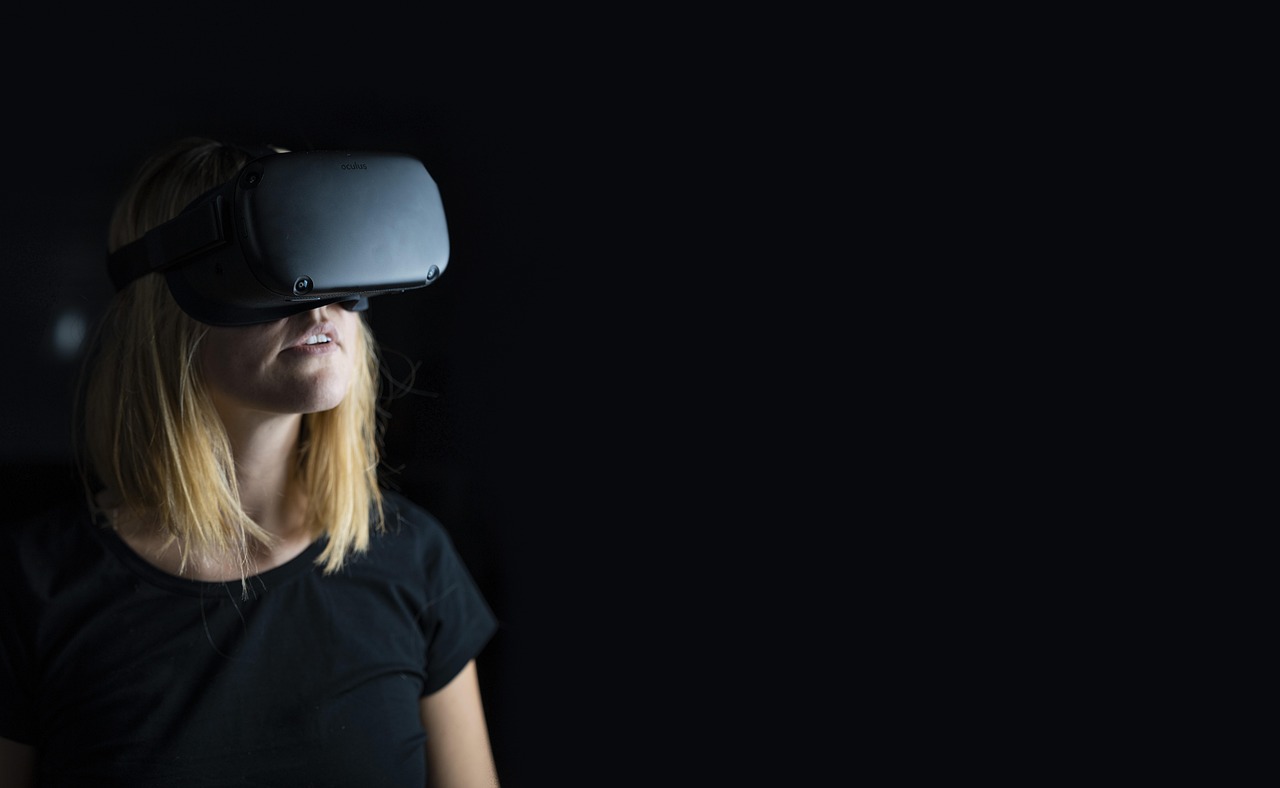

Comparing Traditional and VR-Based Biomechanical Assessment Methods
Biomechanical assessment methods have significantly evolved, leading to the emergence of virtual reality (VR) technologies. Traditional approaches have dominated for years, including motion capture systems and force plates. However, VR-based methods offer a unique combination of immersive data collection and enhanced visualization. The traditional methods often require expensive setups and controlled environments, while VR enables assessments in practically any setting. This flexibility can lead to more naturalistic responses from subjects, providing richer insights into biomechanical functions. Moreover, the graphical representation in VR promotes better understanding for both practitioners and patients, allowing for an interactive experience. Traditional methods rely heavily on post-processing analysis, while VR provides real-time feedback, facilitating immediate adjustments and learning. It’s crucial to weigh the cost-benefit dynamics when choosing an assessment technique. Essentially, traditional techniques have a wealth of data to confirm their efficacy, while VR is gaining traction for its engaging usability. Collaboration between industries is critical in developing hybrid methods that extract the best features of both. Ongoing research is essential to understand how VR can accurately reflect biomechanical data to ensure reliability in assessments that impact rehabilitation and sports performance.
Advantages of VR in Biomechanics
Integration of virtual reality into biomechanics research delivers various advantages. Primarily, VR allows for safe environments where complex scenarios can be simulated without real-world risks. This safety provides opportunities for subjects to make errors and learn from them without detrimental consequences. Not only does it enhance learning experiences, but it also assists in evaluating responses under situations that mirror real-life challenges. Additionally, the ability to track multiple variables simultaneously in VR offers detailed insights that are harder to capture using traditional methods alone. This leads to a more comprehensive understanding of biomechanical functions across diverse populations. Furthermore, VR encourages greater participant engagement, often boosting motivation during assessment tasks. When subjects are more engaged, the data collected becomes more reflective of their actual abilities. It’s important to highlight that VR has the potential to democratize access to biomechanical assessments, making previously inaccessible technologies available to a wider range of users. Virtual environments can be adjusted for various skill levels, enhancing their usability across demographics. Consequently, VR expands the horizons for biomechanical research and application within clinical and athletic domains.
Despite its numerous benefits, there are challenges associated with implementing VR in biomechanics. Technological limitations, including the requirement for advanced hardware and software, can pose barriers. The initial investment can be substantial, which may discourage institutions from making the switch. Furthermore, there’s a steep learning curve for both practitioners and subjects in adapting to VR systems. Maneuvering within virtual environments can initially cause discomfort or confusion, affecting the quality of data collected. Ensuring that users feel comfortable in VR settings is vital for obtaining reliable assessments. Differences in individual experiences with VR might influence the consistency of biomechanical data, which needs to be addressed through studies. Standardizing VR protocols is essential to produce comparable results across different assessments. Additionally, the ecological validity of VR assessments compared to traditional methods raises questions. Researchers must investigate if the data acquired via VR translates accurately to real-world capabilities. Navigating through these challenges requires collaborations among engineers, biomechanics experts, and clinicians to refine technologies, develop best practices, and ultimately integrate VR seamlessly into biomechanics. Continued evolution in this field promises exciting advancements ahead.
Future Directions in Biomechanical Assessments
The future of biomechanical assessments is poised for significant transformations through continued advancements in technology. As virtual reality improves, it is likely that these systems will become more affordable and user-friendly, making them increasingly attractive to both researchers and clinicians. Upcoming innovations may streamline data collection, enabling real-time assessment with accurate biometrics. Moreover, integrating artificial intelligence algorithms into VR systems could further enhance their capabilities. AI might assist in identifying patterns in biomechanical data that human analysts might overlook, promoting faster diagnosis and tailored rehabilitation programs. Research into personalized VR experiences can also facilitate adjustments to therapeutic interventions based on individual responses, thereby increasing efficacy and patient satisfaction. Additionally, collaborative efforts can lead to creating cross-disciplinary frameworks, uniting biomechanics with fields such as psychology and neuroscience. Such partnerships will encourage comprehensive approaches that understand biomechanics within broader contexts. Publications focusing on standardizing methodologies and outcomes in VR are essential to establish credibility and share best practices. Enhancing the generalizability of findings to ensure applicability across populations will be vital in solidifying the role of VR in biomechanics for various applications.
In clinical environments, the integration of VR-based biomechanical assessments can revolutionize rehabilitation protocols. Barrier reduction and accessibility will allow healthcare providers to implement engaging rehabilitation programs that contribute to better patient outcomes. Early research already indicates that VR can increase motivation and adherence to therapy, crucial in rehabilitation settings. Specific applications, such as using VR to assist in post-operative recovery, show promise through gamified approaches that promote movement without the patient feeling like they are undergoing arduous tasks. Physical therapy clinics can adopt VR systems to offer personalized exercises that adapt in real-time based on patient performance, enhancing treatment outcomes. Additionally, sports performance analysis using VR technologies can provide athletes with detailed information regarding their biomechanics. Immediate feedback allows athletes to adjust their techniques on the spot, potentially preventing injuries and optimizing performance. Moreover, individualized training programs can be developed, addressing the specific needs of an athlete. The combination of VR and biomechanics can set new standards for sports training, allowing coaches to monitor movements accurately. By harnessing technology, biomechanics field can better exploit the data collected to produce actionable insights that benefit athletes and individuals alike.
Limitations of VR Applications in Biomechanics
Despite its promise, VR in biomechanics is not without limitations. One significant concern is the accuracy of reproducing real-world scenarios within a virtual environment. The translation of movements in VR to actual biomechanics may not always align perfectly, which affects the validity of assessments. Moreover, VR technology is continually evolving, resulting in potential obsolescence for equipment and software used in assessments. Keeping up with advancements requires persistence and ongoing investment which might not be feasible for all institutions. The physical constraints of VR setups can hinder their applications, especially in tighter spaces with limited equipment. Designing an optimal space that allows freedom of movement while incorporating numerous tools can present challenges. Research must also address potential adverse effects caused by prolonged exposure to virtual environments, including motion sickness or disorientation among users. This necessitates further studies to ensure safety and well-being during assessments. As researchers evaluate these complications, striving to develop guidelines that assist users in acclimatizing to VR environments will be essential for maximizing its benefits in biomechanics. Balancing the pros and cons will shape the trajectory of VR applications in the field.
Ultimately, the integration of traditional and virtual reality methods in biomechanics assessment marks a significant step forward. Leveraging both approaches ensures comprehensive evaluations that capitalize on the strengths of each methodology. A hybrid model can combine the objective data from traditional assessments with the immersive elements of VR. This synergy can facilitate a more thorough understanding of biomechanical functions, uncovering insights that were previously elusive. The evolution of technology signifies that VR is not going to replace traditional assessments but rather enhance them, providing new lenses through which practitioners can analyze movement. Research efforts should continue fostering collaborations between various stakeholders in biomechanics, technology, and rehabilitation fields. By sharing insights, refining techniques, and standardizing protocols, the biomechanical community can ensure that advances translate into practical applications that benefit patients and athletes alike. Encouraging feedback from individuals subjected to both types of assessment processes enriches research perspectives. Evaluating individual experiences further informs improvements to existing systems and strategies. This partnership will ultimately guide the future direction of biomechanics, leading to innovative, evidence-based practices that improve health outcomes and performance on a broader scale.
As virtual reality technology continues to advance, it holds immense potential for breakthroughs in biomechanics. The convergence of VR and biomechanics promises to enhance the precision, engagement, and overall effectiveness of assessments, benefiting both clinicians and patients. Engaging approaches not only promote better outcomes but also pave the way for customized interventions that are responsive to individual needs. Through ongoing research and development, VR is swiftly positioning itself as an integral element in the landscape of biomechanics assessments, which may further reshape rehabilitation protocols and sports performance analysis. While traditional methods have been the foundation of biomechanics for years, VR methods are augmenting those approaches, offering innovative avenues for research and practical application. Emphasizing the collaboration between various disciplines is paramount in optimizing advancements in the field. As new technologies emerge, transformations in data collection, analysis, and presentation methods will undoubtedly enhance understanding and treatment modalities in biomechanics. The future looks promising, with every step forward guiding practitioners toward more effective assessments that truly encompass the complexities of human movement and biomechanical performance.