
Innovations in Accessibility for Obstacle Course Racing
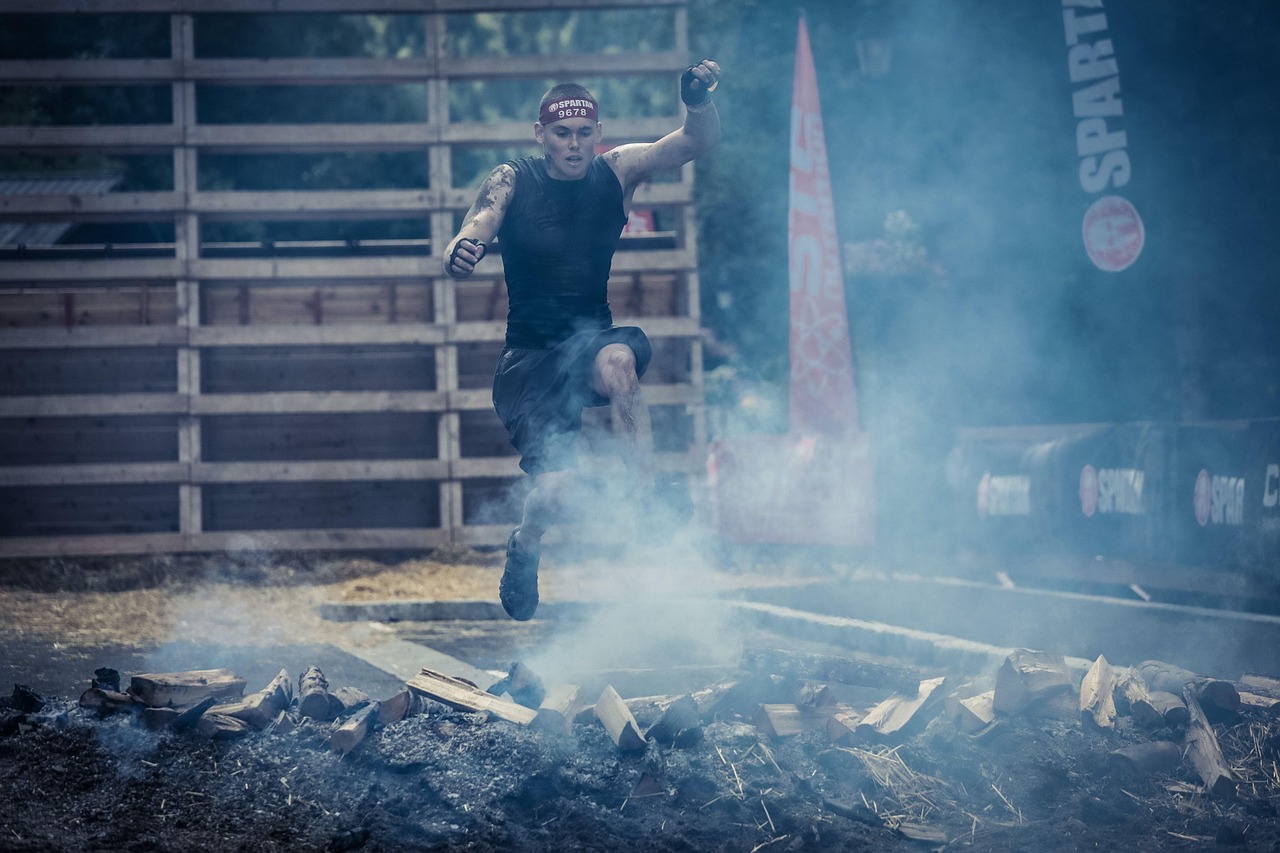
Obstacle Course Racing (OCR) has gained immense popularity over the years, offering participants an exhilarating mix of challenge, fitness, and camaraderie. However, traditional courses have often presented barriers for individuals with disabilities. Innovations in adaptive OCR are now making these thrilling events more inclusive. Technologies such as specialized equipment and modified obstacles allow a diverse range of participants to engage fully. Athletes with mobility challenges can now utilize advanced prosthetics and adaptive vehicles designed for uneven terrain. Furthermore, race organizers are increasingly collaborating with accessibility advocates when designing courses. This ensures that safety is prioritized while maintaining the adrenaline rush that OCR fans crave. Changing perceptions about disability and promoting inclusivity in sports are critical components of this evolving landscape, driving more participants to enter OCR events each year. Additionally, engaging the community creates a shared responsibility to foster an environment where everyone can participate. As more individuals take part, we can expect a shift toward more accessible sports in general, challenging norms and enhancing the overall experience for all athletes. Collective efforts are transforming not just OCR but also the fabric of athletic participation across the board.
To further enhance accessibility in obstacle course racing, various organizations are investing in research and development. This includes adapting existing obstacles to accommodate different ability levels. For example, some races now feature ramps and lowered barriers, allowing wheelchair users to tackle challenges alongside able-bodied competitors. Enhanced training programs are also being introduced, focusing on coaching techniques that are beneficial for adaptive athletes. Coaches are being trained in disability awareness and inclusion practices, fostering environments where adaptive athletes can thrive. Moreover, community outreach initiatives are launched to connect with aspiring adaptive athletes, providing them with mentorship and support. These efforts are essential in building confidence among participants, encouraging them to push their limits and embrace the competitive spirit of OCR. By promoting success stories, the sport can inspire more adaptive athletes to join events. Media coverage of inclusive races draws attention to the athletes’ achievements, showcasing their determination and skill. This visibility helps break down stereotypes about disabilities in sports while advocating for a more inclusive future. With continued progress towards adaptive OCR experiences, the sport promises to unite diverse groups through shared challenges and triumphs.
Technological Advances and Equipment Innovations
Recent advancements in technology have played a pivotal role in making obstacle course racing more accessible to all. Individuals with disabilities now have access to innovative equipment tailored specifically for their needs. Adaptive racing chairs, for instance, have become game-changers; they feature durable frames designed for rugged terrains typical in OCR events. These chairs provide the stability and performance necessary for athletes to navigate through obstacles effectively. The integration of 3D printing technology has allowed for the customization of adaptive gear, enabling tailored solutions for individual athletes. Custom grips, supports, and harnesses can now be crafted to enhance comfort and performance during races. Another significant innovation includes the development of smart technologies, such as wearable devices that monitor vital statistics in real-time, ensuring athletes remain safe while participating. Additionally, organizations are increasingly relying on crowd-sourcing ideas from the community, allowing athletes to propose designs that meet their unique requirements. By adopting such inclusive practices, the OCR community fosters innovation that benefits all, regardless of ability. As technology continues to evolve, the future of adaptive OCR promises to be brighter than ever before, encouraging participation across diverse demographics.
Disability awareness initiatives have emerged as key drivers of change within the obstacle course racing community. Many race organizers are proactively promoting events designed to be fully inclusive for participants of all ability levels. Raising awareness around different disabilities helps challenge preconceived notions about what participants can achieve. One effective strategy has been to highlight adaptive athletes in promotional materials and media coverage, ensuring visibility in the OCR landscape. Such initiatives not only provide motivation for aspiring athletes but also engage a broader audience. Education plays a critical role in these efforts, equipping race staff and participants with the knowledge needed to create supportive environments. Workshops and training sessions on disability awareness, inclusivity practices, and communication techniques are being offered to ensure everyone understands the diverse needs of adaptive athletes. Furthermore, creating partnerships with nonprofit organizations that promote disability rights fosters collaboration, providing greater resources to enhance accessibility. As these initiatives take root, athletes can maximize their potential, pushing boundaries and inspiring change within the OCR world while empowering future generations. Raising awareness and celebrating diversity can reshape the future of obstacle course racing.
Community Support and Involvement
The power of community support cannot be overstated when it comes to promoting adaptive obstacle course racing. Local organizations and volunteer groups are stepping up to create an environment that fosters inclusion. Many races now host workshops, encouraging individuals with disabilities to explore their abilities in a supportive atmosphere. Familiarization sessions allow participants to understand race formats and meet experienced adaptive athletes. This builds confidence and encourages a sense of belonging among potential competitors. Additionally, community fundraising initiatives help raise money to provide adaptive equipment and resources for those who might not otherwise afford them. Such projects emphasize the collective desire for change, as community members unite in the pursuit of inclusivity. An engaged community is vital, offering mentorship and camaraderie to adaptive racers while inspiring able-bodied athletes to embrace the spirit of inclusion. Collaborations between local businesses and races for sponsorships or support also drive awareness. As communities rally around adaptive athletes, the social fabric of obstacle course racing grows stronger, promoting a culture of support, acceptance, and collaboration. These efforts lay the foundation for sustainable growth within the sport.
Sustainability in obstacle course racing is another emerging topic linked to adaptive initiatives. Eco-friendly practices are being integrated into race logistics to minimize environmental impact while promoting inclusivity. Race organizers are adopting sustainable materials for equipment and obstacles, which ensure their environmental footprint is reduced. Furthermore, using local resources to design races strengthens community ties and promotes ecological responsibility. The push for sustainability highlights the potential for adaptive equipment to not only be functional but also environmentally conscious. For example, green technology in adaptive sports gear can minimize waste and energy use while enhancing performance. Inclusivity and sustainability go hand in hand, creating a vision for racing that respects both athletes and the planet. Athletes and organizers are increasingly aware of their responsibilities toward both social and ecological sustainability, creating a holistic approach to obstacle racing. Innovations in these areas will likely prompt wider conversations about how sports can lead in fostering substantial change within communities. As we prioritize the future of our environment, adaptive obstacle course racing presents an opportunity to reshape the narrative surrounding inclusivity.
Looking Towards the Future
The future of obstacle course racing promises continued evolution focused on enhancing accessibility for all athletes. As awareness grows, more races will actively implement adaptive innovations to foster inclusivity. In the coming years, we can expect to see an increasing number of adaptive athletes participating in races not just as competitors but also as advocates for change. Initiatives encouraging mentorship programs, where experienced adaptive racers support novices, will likely thrive. This creates a positive, supportive environment that allows skills and strategies to be shared among a diverse group. Furthermore, collaboration among OCR organizations will drive advancements in safety protocols, ensuring all participants can compete while minimizing risk. The introduction of new obstacle designs that promote inclusivity and challenge adaptive athletes further redefines the boundaries of the sport. Expect to see event formats that highlight unique challenges suitable for athletes with a range of abilities. As technology advances, more creative solutions will emerge in equipment design, ensuring every athlete is given an equal playing field. With concerted efforts from athletes, organizers, and communities, the future of OCR will reflect a celebration of diversity that truly embraces every participant.
In summary, the innovations in accessibility for obstacle course racing are reshaping the landscape of the sport. The recent developments reflect a commitment from all stakeholders to create inclusive experiences for adaptive athletes. Efforts range from technological advancements in equipment design to community support initiatives that empower individuals with disabilities. Raising awareness about disabilities fosters understanding and creates champions in every race. As we continue to advocate for inclusivity in OCR and beyond, we have the potential to change not only the perception of disability in sports but also to inspire new generations of athletes. The momentum for adaptive OCR is building, fueled by the dedication of passionate athletes and supporters alike. These advancements promise to usher in a new era where every individual, regardless of ability, can celebrate their achievements on the racecourse. The collaboration between communities, technology, and race organizers illustrates how much progress is possible when we unite for a common goal. Ultimately, the journey of adaptive obstacle course racing serves as a powerful reminder that determination, innovation, and community spirit can transform the sport for everyone. The future is bright, with endless possibilities ahead.