
Preparing Your Core for Return to Sport After Childbirth
After giving birth, many women wonder how to safely return to sports and physical activities. One of the most critical aspects of this transition is core rehabilitation. The core includes not just the abdominal muscles, but also the diaphragm, pelvic floor, and back muscles. This interconnected system is vital for stability and strength. If neglected, physical activities could lead to setbacks or injuries. Thus, understanding your body post-childbirth is essential. It’s also important to note that every recovery journey is unique. Therefore, listen to your body and progress at your own pace. Establishing a solid foundation through gradual exercises is recommended. These may begin with gentle movements, progressing to more rigorous activities as strength returns. Consulting with a healthcare professional is advisable before commencing any exercise program. This ensures that you’re cleared for activity and allows you to receive personalized recommendations. In this journey, patience is key. The goal is to reconnect with your body, ensuring that it feels strong and capable of supporting your favorite activities again. This will empower you in your fitness journey and provide long-term benefits.
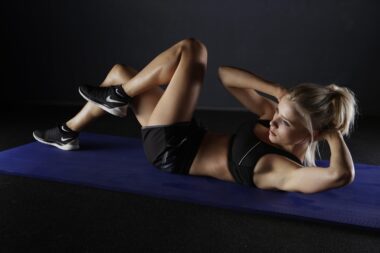
Core rehabilitation involves awareness of function and alignment. The postnatal core requires specific exercises targeting muscles weakened or stretched during pregnancy. Kegel exercises are highly beneficial in strengthening the pelvic floor, while deep belly breathing helps re-establishing core engagement. The connection between breath and core function is crucial. Moreover, these practices help in improving posture, which many new mothers struggle with. Engaging the transverse abdominis, the deepest layer of abdominal muscles, is essential for proper core function. Exercises can include gentle bridges, pelvic tilts, and modified planks. Importantly, it’s vital to avoid traditional sit-ups early in postpartum recovery as they can put undue strain on the abdominal walls. Focus on low-impact movements and gradual increases in intensity instead. Setting realistic goals and timelines ensures that the recovery process is both satisfying and encouraging. Consider keeping a journal to track your improvements, which may uplift your spirits. Over time, this will help you gain confidence in returning to your chosen sports. Above all, enjoy this process, transforming your body and mindset into something powerful and resilient.
Understanding Physical Changes After Childbirth
Every woman’s body responds differently to childbirth, leading to a wide range of physical changes that impact core strength. Hormonal changes can affect muscle tone and joint stability. This is particularly true with the hormone relaxin, which relaxes ligaments to accommodate childbirth. While this helps during delivery, it may cause instability in the postpartum period. Experiencing discomfort such as lower back pain or pelvic instability is common. Therefore, addressing these issues during recovery is essential. Learning about diastasis recti, the separation of abdominal muscles post-pregnancy, is also crucial. Many women experience this condition, which can affect both appearance and core strength. Physical therapy can provide guidance on managing diastasis effectively. Additionally, women may also notice changes like incontinence during physical activity due to weakened pelvic floor muscles—this emphasizes the importance of targeted exercises. Rehabilitating the core should be approached holistically, considering not just aesthetics but also functional strength. Engage in mindfulness and breath work to establish a strong mind-body connection throughout the rehabilitation process. The road to recovery is significant for both physical and mental health.
As you begin core rehabilitation, it’s essential to integrate movement that promotes flexibility and builds strength. Yoga and Pilates are highly recommended for postpartum recovery as they emphasize these principles. These practices also enhance awareness of the pelvic floor and spinal alignment, addressing foundational issues. Incorporating breathing techniques into these routines can aid muscle engagement. Start with gentle poses that encourage connection between mind and body. Encourage practice of these movements several times a week to promote continuous improvement. Consider utilizing tools like resistance bands or stability balls to add variety to your workouts. Listening to your body is key during this time, avoiding any discomfort or pain. Surrounding yourself with supportive communities, such as postnatal classes or online forums, can also foster motivation and a sense of connection. Sharing experiences with others who understand can provide valuable insights. Remember that each woman’s recovery is unique, and there is no one-size-fits-all approach. Celebrate your personal milestones to reinforce positive feelings about your progress. This positive reinforcement is vital for enhancing motivation and sustaining your fitness journey, particularly after the challenges of childbirth.
Setting Realistic Goals for Fitness
Establishing achievable fitness goals post-childbirth is vital for effective core rehabilitation. Begin by identifying where your current fitness level stands. Are there specific sports or activities you wish to return to? Clarifying your aspirations allows for targeted training. Setting SMART goals—Specific, Measurable, Achievable, Relevant, and Time-bound—will provide a clear pathway to success. For instance, rather than stating, ‘I want to get fit,’ a goal could be, ‘I will attend a postnatal fitness class twice a week for the next month.’ Tracking your progress through a fitness app or journal can enhance motivation. It’s also beneficial to seek support from professionals or fellow new mothers who have similar aspirations. Accountability encourages commitment to the fitness plan. Ensure that goals are adjusted based on how your body responds during the rehabilitation process. This adaptive approach will foster a positive relationship with exercise and self-image over time. Remember, recovery doesn’t happen overnight; embracing patience and persistence will lead you toward your sports goals. Every small victory adds up in building your confidence and capability as a renewed athlete.
Nutrition plays a significant role in your postnatal recovery journey and core rehabilitation. The right nourishment enhances muscle repair, energy levels, and overall well-being. Prioritizing a balanced diet that includes lean proteins, whole grains, healthy fats, and abundant fruits and vegetables will support recovery. Staying hydrated is equally important, especially for nursing mothers. Consider meal prepping to ensure you’re meeting nutritional goals amidst a busy schedule. This could involve cooking larger portions of healthy meals and storing leftovers for quick access. Additionally, consider incorporating snacks rich in fiber and protein to maintain energy throughout the day. Consulting with a registered dietitian can enhance personalized nutrition strategies, optimizing your health during recovery. They can help create a plan that aligns with your fitness objectives and dietary preferences. Remember to indulge in moments of self-care through your nutrition. Enjoying your meals and making mindful choices will promote a healthier relationship with food. These simple nutritional adjustments will significantly impact your rehabilitation journey, helping you feel strong as you work towards your fitness aspirations with growing confidence.
Returning to Sports with Confidence
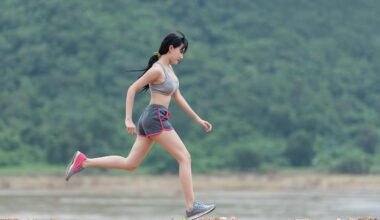
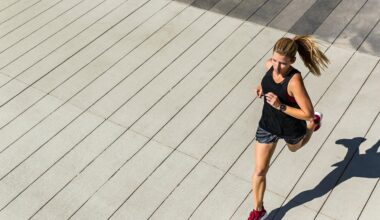
Once you have built a solid foundation through core rehabilitation, the excitement of returning to sports can be invigorating. Focus on slowly reintroducing high-impact activities while always being aware of how your body responds. Start with low-impact versions of your preferred sport to assess endurance and strength without overexertion. For example, if you enjoy running, consider beginning with brisk walking, gradually increasing the pace. It’s paramount to maintain consistent communication with healthcare providers throughout this process, particularly if you experience discomfort. Refreshing basic techniques related to your sport is advisable, as your body may respond differently post-pregnancy. Furthermore, incorporating cross-training can help you regain strength and minimize injuries. Whether incorporating swimming, cycling, or strength training, maintaining variety in your workouts ensures a balanced approach. Engaging in group classes or team sports can also provide valuable motivation. Remember that achieving your pre-pregnancy fitness levels may take time; practice self-compassion throughout your journey. Your body has undergone incredible changes, and recognizing those milestones will aid in fostering resilience and dedication to personal fitness goals.
Ultimately, your return to sports after childbirth is a deeply personal journey that requires patience, understanding, and commitment. Core rehabilitation does not simply revolve around regaining strength; it encompasses developing a positive relationship with movement and fitness. Establishing this connection will serve you well in all facets of life, from parenting to personal well-being. Everyone’s timeline will vary, and that’s entirely normal. Cherishing your achievements, no matter how small, will build the confidence you need to thrive. Attending workshops or seminars can provide continual motivation and knowledge, ensuring you stay updated on best practices for postpartum rehabilitation. Always remember to reach out for support when needed, whether through workouts, nutrition, or emotional well-being. Connecting with others on this journey can empower you to face challenges together. Appreciate the learning curve accompanying your return to sports, and celebrate the strength that comes from perseverance. With dedication, you will redefine your core and empower yourself to pursue personal fitness aspirations. May your postnatal journey be fulfilling, and may it lead you to reclaiming both your physical prowess and self-confidence in the process.