
The Fundamentals of Functional Training: Enhancing Performance and Preventing Injuries
Functional training emerges from the need for effective fitness methodologies that promote real-world movement. This approach focuses on exercises that mimic everyday activities, enhancing strength, balance, and agility. By engaging multiple muscle groups, functional training prepares individuals for daily tasks with increased efficiency. Unlike traditional bodybuilding workouts that isolate muscles, functional training emphasizes movements that utilize the body’s natural biomechanics. For instance, activities such as squats, lunges, and push-ups involve multiple joints and muscle groups. This comprehensive approach not only builds muscle but also enhances coordination, which is essential for athletes and fitness enthusiasts alike. Moreover, functional training encourages flexibility, reducing the risk of injuries during high-intensity activities. By incorporating stability work, practitioners can fortify their core, promoting healthy posture and movement mechanics. Proper execution of functional exercises significantly decreases the likelihood of strain or injury, especially when performed with correct form. It is crucial to prioritize form over speed or weight, ensuring bodies move efficiently without undue stress. Therefore, embracing functional training can lead to substantial improvements in overall performance and functional capacity in everyday life.
Functional training is particularly renowned for its benefits in injury prevention, making it a cornerstone of rehabilitation protocols. By focusing on dynamic movements and stability, individuals can strengthen the muscles around joints, leading to better support and resilience. For instance, integrating exercises that emphasize knee stability can help prevent injuries like ACL tears, common in sports and everyday activities. To bolster this protective effect, practitioners often include exercises such as lateral band walks and stability ball workouts, which train muscles in a synergistic manner. Furthermore, injury prevention extends beyond just strengthening; it involves improving flexibility and mobility, which are integral to maintaining function over time. Hence, stretching and mobility drills must complement strength-building exercises. As athletes and active individuals embrace a comprehensive functional training routine, they develop better movement patterns that translate into lower injury rates. Additionally, it’s important for trainers and individuals to assess their movement extensively to identify weaknesses or imbalances prior to diving into a training program. By acknowledging these areas and focusing attention on them, better outcomes will result, and performance will significantly benefit. In essence, incorporating functional principles helps pave the way for strong, efficient, and resilient bodies, enhancing performance across various activities.
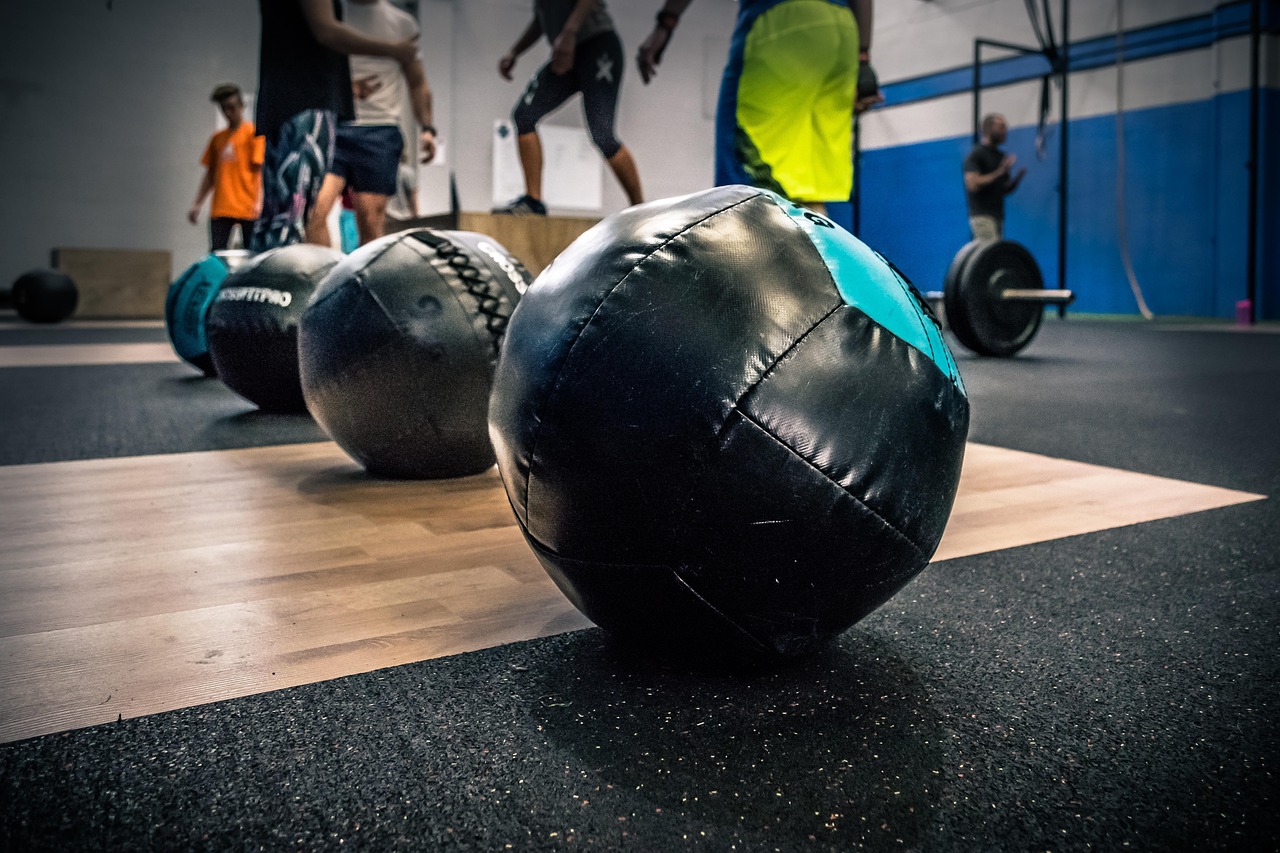
The implementation of functional training involves varied modalities that cater to all fitness levels, making it incredibly versatile. From using bodyweight exercises to incorporating resistance bands and stability balls, the options are endless. For example, kettlebell swings and medicine ball slams not only provide strength benefits but also enhance cardiovascular fitness, making training sessions more efficient. Moreover, functional training can be adapted for rehabilitation, facilitating recovery while improving strength and flexibility. Gyms and studios have started offering functional classes, allowing participants to engage in group settings while enjoying the camaraderie and motivation that comes with it. This community aspect often promotes adherence to training routines, resulting in longer-lasting fitness habits. Moreover, the focus on functional movement helps reduce burnout from monotonous workouts by providing the necessary variety. Through engaging in functional training, individuals can explore a diverse range of exercises while developing skills relevant to their personal fitness goals. As functional training continues to evolve, more specialized programs emerge to cater to specific populations, including seniors, athletes, and individuals recovering from injury. This adaptability is one of the key reasons for the growing popularity of functional training in fitness culture globally.
Core Elements of Functional Training
At the heart of functional training lies core stability, which encompasses strength in the abdominal, lower back, and pelvic muscles. Building core strength is essential for promoting good posture while executing everyday movements effectively. Engaging in exercises such as planks, side planks, and Russian twists enhances this stability, ensuring that the body’s center remains strong and well-coordinated. A stable core not only supports physical performance but also decreases the risk of injury derived from unstable movements. Additionally, functional training emphasizes balance, as many functional exercises require maintaining equilibrium during dynamic movements. Incorporating balance boards, bosu balls, and even single-leg exercises contributes to overall coordination. The combination of core stability and balance fortifies the body during activities, making it easier to transition from one movement to another. Furthermore, strength training within functional contexts should prioritize compound movements. Squats, deadlifts, and overhead presses are examples of such exercises, as they employ multiple joints and muscle groups simultaneously. Therefore, a balanced approach to training, addressing core strength, balance, and compound movements, results in improved performance and injury prevention over time.
As functional training gains popularity, understanding its methodologies becomes essential for effective practice. The foundation of any successful functional program begins with goal identification, which aligns with individual needs and abilities. Set clear, achievable goals that reflect personal aspirations, whether enhancing athletic performance or improving daily physical function. Additionally, individualized training assessments can serve to establish baseline measurements and track progress effectively. Assessments often reveal strengths and weaknesses to tailor the program according to capability. Furthermore, when participating in group classes, instructors should possess extensive knowledge about functional principles and injury prevention. Proper cueing and technique development remain fundamental to ensuring participant safety during sessions. As classes vary in intensity and complexity, providing modifications for all fitness levels is paramount in promoting inclusivity and safety. Participants who feel challenged while maintaining the right level of intensity are more likely to stay engaged and foster a love for functional training. Creating a supportive environment where individuals feel empowered to try new exercises while growing their confidence significantly enhances the overall experience of functional training.
Nutrition and Recovery in Functional Training
A comprehensive approach to functional training extends beyond workouts; nutrition and recovery play critical roles in achieving desired outcomes. Employing a diet that supports muscle recovery and energy restoration aids training effectiveness. Prioritize nutrient-dense foods packed with proteins, healthy fats, and carbohydrates. Essential sources include lean meats, fish, nuts, whole grains, and plenty of fruits and vegetables. Staying hydrated is also fundamental for maintaining optimal performance and preventing fatigue during workouts. Additionally, integrating post-workout nutrition helps expedite recovery; a balance of protein and carbs may facilitate muscle repair while replenishing glycogen stores. Proper recovery practices, such as stretching, foam rolling, or using contrast baths, combat muscle soreness and enhance mobility. Taking rest days is equally important, allowing muscles to recover and rebuild, ultimately preventing burnout or overuse injuries. Scheduling regular recovery sessions can improve flexibility and mobility, which perfectly supplement functional training’s emphasis on efficient movement patterns. By bridging the gap between training, nutrition, and recovery, individuals can fully embrace the benefits of functional training, leading to enhanced performance and reduced injury risks over time.
In conclusion, functional training emphasizes the interconnectedness of strength, stability, movement, and recovery, fostering improved performance and injury prevention. As individuals embrace this holistic approach, they gain the knowledge necessary to train intelligently while minimizing the risk of injury. Commitment to a functional training regimen establishes a framework for success, leading to substantial benefits not just in athletic performance but in overall health and lifestyle. The versatility and adaptability of functional training ensure it serves diverse needs for various fitness enthusiasts, from beginners to elite athletes. Moreover, ethical practices and safety must remain at the forefront of functional training, ensuring that individuals conduct exercises with the correct form and methods. Supporting individuals technically through workshops, group training, and access to professional trainers encourages lifelong engagement in fitness. Tracking progress through performance metrics, consistent assessments, and training logs reinforces the importance of evaluating the journey and setting new challenges. As awareness grows, functional training will continue to thrive as an essential aspect of modern fitness culture, inspiring individuals to pursue healthy and active lifestyles that prioritize performance and injury prevention.