
Week 11 Powerlifting Intro: Developing Explosive Strength
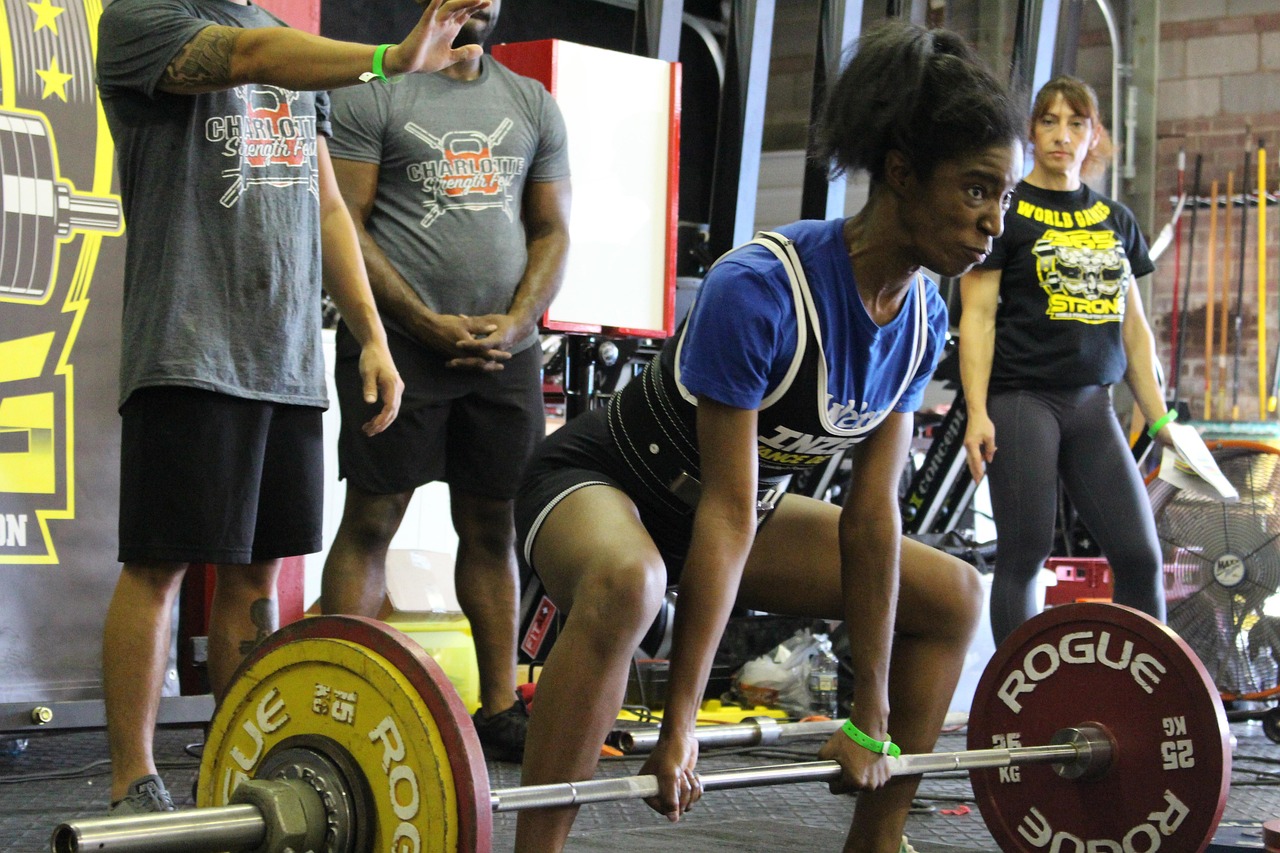
As we dive into Week 11 of our powerlifting program, the focus shifts towards developing explosive strength. Powerlifting involves three main lifts: the squat, bench press, and deadlift. Explosive strength is essential in these lifts, as it helps you lift heavier weights efficiently. During this week, workouts will be centered on enhancing your ability to generate force quickly, translating it into better performance. Training sessions will incorporate various exercises targeting speed and explosive power. Techniques such as plyometrics and Olympic lifts can contribute significantly to developing this kind of strength. As an athlete, pay attention to your overall form and technique. Proper execution is crucial in preventing injury while optimizing power development. Make sure to warm up adequately, emphasizing dynamic stretches and mobility work. This preparation is key to achieving peak performance. The week also requires a solid nutritional plan, as diet plays an essential role in recovery and energy levels. Consuming the right amount of macronutrients, particularly protein and carbohydrates, helps your body cope with the increased training intensity. Stay committed to a consistent routine, ensuring that you’re making progress each week. Knowledge is crucial here, so keep learning about your body.
As you embark on this explosive strength phase, you’ll need to adjust your training routine accordingly. Focus on lower rep ranges with heavier weights, typically within the 2-5 rep spectrum. This allows your muscles to adapt to lifting heavier, developing the strength necessary for powerlifting. Pair these heavy lifts with explosive movements that engage your type II muscle fibers, which offer the necessary speed and power output required in powerlifting. Exercises like box jumps, snatch pulls, and cleans can be incorporated into your program. Additionally, consider varying your tempo during lifts; explosive concentric phases help prioritize speed, while controlled eccentric phases build muscle durability. Balance is vital; therefore, include accessory work targeting weak points, which supports overall lift performance. Maintaining stability through your core is equally important as you lift. Incorporate movements such as planks and anti-rotational exercises to enhance core strength and stability. Remember, injury prevention is essential. Ensure that your lifting mechanics are sound, and don’t sacrifice form for heavier weight. This balanced approach will contribute to continuous growth and improvement in your powerlifting journey. Take note of your progress, as tracking results can be motivating and informative as you advance.
Key Exercises for Explosive Strength
Focusing on specific exercises tailored for explosive strength can significantly influence your performance in powerlifting. Essential lifts such as the barbell squat or deadlift can be modified to include explosive elements, promoting a faster and more effective lifting motion. For instance, performing squats with a jump can help increase the explosiveness of your hips and legs. Deadlifts can also be practiced with a focus on speed off the ground, further instilling explosive capabilities. Olympic lifts, especially the clean and jerk, offer immense benefits as they require significant force production and coordination. These compound movements target multiple muscle groups, culminating in overall strength development. Don’t forget to also incorporate plyometric training into your regimen; exercises like depth jumps and bounding help improve your overall explosiveness. They train your muscles to contract faster, increasing your overall lift efficiency. All these elements work harmoniously; therefore, ensure variety in your workouts each week. Pair these explosive movements with your traditional powerlifting training to strike a balance between power development and technique proficiency. Consider your training environment, as a supportive atmosphere can be immensely beneficial during intense workouts. Stay disciplined and focused.
The role of recovery and rest cannot be overstated in your workout plans. Implementing solid recovery strategies is key to maximizing gains and avoiding burnout. This includes taking regular breaks between intense workouts and prioritizing sleep. Your muscles need time to repair after undergoing such strenuous activity, particularly when focusing on explosive strength. Ensure you are scheduling deload weeks appropriately in your training cycle, allowing your body to recover efficiently without losing progress. Nutrition is another critical component; consider supplements if needed, such as branched-chain amino acids (BCAAs) or protein powders, to facilitate muscle recovery. Stay hydrated, as proper hydration directly impacts muscle function and recovery speed. It’s vital to listen to your body and recognize when fatigue sets in, indicating a need for additional rest days. Implement active recovery strategies on rest days, such as light yoga or swimming, to keep your muscles engaged without causing stress. Maintaining a positive mindset throughout your training journey ensures you remain motivated to push limits while prioritizing your overall well-being. Establishing a routine that balances workout intensity, recovery, and nutrition will yield the best results during this powerlifting phase.
Nutritional Considerations for Optimal Performance
Fueling your body appropriately aids your training and recovery processes. A well-structured diet plays an essential role in supporting explosive strength development during this week. Focus on consuming enough protein daily for muscle repair and growth; a range of 1.6 to 2.2 grams per kilogram of body weight is not uncommon for athletes. Prioritize whole foods, including lean meats, fish, eggs, legumes, and dairy, as they provide a foundation for your nutritional needs. Don’t forget about carbohydrates; they are your body’s primary energy source during high-intensity workouts. Incorporate complex carbs like oats, brown rice, and quinoa into your meals to sustain energy levels throughout the sessions. Timing your meals around workouts can also enhance performance; consider consuming a balanced meal or snack rich in protein and carbs an hour or two before lifting. Post-workout nutrition is equally important; a meal rich in protein and carbs after training aids muscle recovery and glycogen replenishment. Staying conscious of your hydration levels alongside your nutrition will optimize your performance. Remember, consistency in nutrition and training routines is the foundation for success and long-term improvement.
In conclusion, Week 11 of the powerlifting program offers a unique opportunity to focus on building explosive strength. Embrace the challenges that come with increasing intensity and incorporating new exercises. The journey to becoming a proficient powerlifter entails understanding the importance of technique, recovery, and nutrition. Implementing the knowledge gained throughout this week will enhance your understanding of your body and its capabilities. Emphasize variety in your workouts to maintain engagement and avoid complacency. Explore alternative forms of training and find what resonates best with your goals. Connect with fellow lifters or engage in community discussions to motivate yourself and share experiences. Powerlifting is not only a physical endeavor but also a mental challenge. Keep your mindset focused on improvement and learning; setbacks are natural. Celebrate small victories along your journey, as they provide the necessary motivation to push forward. Always prioritize safety, and never hesitate to seek advice from coaches or experienced athletes. Ultimately, your commitment and passion for powerlifting will pave the way for achieving your goals and aspirations. Stay dedicated and keep lifting; the growth you experience will translate into remarkable performance gains.
Final Thoughts on Powerlifting Progress
Reflecting on your progress throughout the powerlifting journey is crucial for personal development and motivation. Keep a dedicated training log to track your workouts, noting weights lifted and reps completed. This awareness cultivates a mindset focused on improvement and provides insight into how your strength varies throughout the cycle. Regularly reassess your goals to ensure they align with your progress and aspirations. Adjustments may be necessary to keep you challenged while remaining realistic. As you advance, remember that the principles of strength training remain constant, regardless of experience level. Commit to learning continuously; research new techniques, nutrition strategies, and recovery methods to maximize your effectiveness. Engage with the powerlifting community to gain diverse perspectives and advice. Additionally, consider seeking guidance from a qualified coach who can offer tailored programming and support your journey. Success in powerlifting takes time, progression is not always linear; embrace the unique journey it presents. Ultimately, the knowledge and experience gained throughout your training will serve you well not only in powerlifting but also in other aspects of life. Stay curious, motivated, and keep striving for excellence in every aspect of your powerlifting journey.
As you implement the outlined strategies and principles, expect fluctuations in your strength and performance; it’s perfectly normal. Your commitment during this transition will create a solid foundation as you progress further in your powerlifting endeavors. Each lift requires not only physical strength but also mental resilience. Cultivating this mindset is essential to your success. Continuously engage with resources such as articles, training videos, and community forums. Resources will enhance your knowledge base and motivate you to stay consistent, even during challenging times. As you navigate this journey, gather insights and advice from fellow athletes. Sharing experiences in training environments fosters camaraderie and accountability. When searching for resources, consider connecting with online powerlifting communities, as they can provide support and insights. Remember that the road to success is often filled with obstacles; persistence will pay off. Encourage yourself to remain disciplined and flexible. Incorporate feedback from your training to make adjustments. Celebrate the milestones, and reflect on what you learn along the way. Trust the process, push your limits, and embrace the inevitable growth that accompanies your commitment to powerlifting.