
Adaptive Fitness and Its Impact on Social Skills in Children
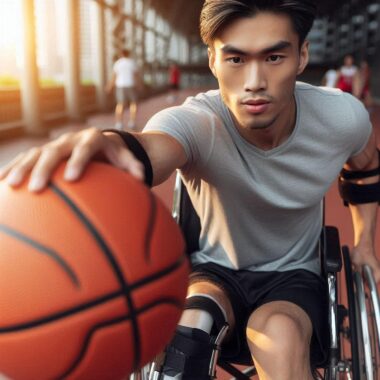
Adaptive fitness programs specifically cater to children with disabilities, offering an environment where they can thrive. Engaging in physical activities allows children to develop social skills while having fun. These programs often modify traditional fitness activities to create an inclusive atmosphere. Children participate in activities such as team sports, dance, or movement games, which promote interaction and teamwork. The focus on collaboration helps them understand the importance of working together. Furthermore, adaptive fitness is not solely about physical improvement; it contributes to the overall emotional well-being of children. Building friendships through common interests fosters confidence and reduces feelings of isolation. As these children engage with peers, they learn vital communication skills such as expressing their thoughts clearly. Adaptations in activities may include specialized equipment or modified rules, enabling every child to participate successfully. It’s crucial for parents and professionals to recognize that every child can be active, regardless of their ability. Creating inclusive spaces ensures that all children enjoy the benefits of fitness. Overall, adaptive fitness promotes both physical health and social development, ultimately enhancing their quality of life.
Physical activity and play are essential for child development, particularly for those with disabilities. It is important to recognize how adaptive fitness contributes to improving social skills. Children in these programs experience many opportunities to meet new friends, work together in various activities, and gain social confidence. This exposure helps them build relationships that are critical for emotional growth. Social skills include communication, teamwork, and emotional regulation, which can be enhanced through interactive games and collaborative group activities. Moreover, adaptive fitness allows children with disabilities to participate in activities that might traditionally feel unattainable. Children engage through shared experiences, which promotes inclusion and acceptance. Additionally, participation in a supportive environment helps reduce anxiety and fosters better self-esteem. As children learn to navigate social settings, they develop a sense of belonging, which is instrumental in their overall development. In turn, these social connections provide benefits such as improved happiness and resilience. Moreover, through adaptive fitness, children can articulate their feelings better, thus engaging more fully with their peers. These social experiences are invaluable in helping children understand and navigate social dynamics effectively, demonstrating how fitness plays a crucial role in social learning.
Building Community through Adaptive Fitness
Adaptive fitness programs foster a strong sense of community among children with disabilities. These programs not only focus on physical health but also on emotional and social development. When children come together to participate in adaptive fitness sessions, they form connections that often extend beyond the gym. This community aspect is vital for social growth. As they engage in activities and share experiences, children learn to communicate effectively, both verbally and non-verbally. Furthermore, they develop empathy and understanding for one another’s challenges. Encouraging children to support their peers through fitness activities helps them become more compassionate individuals. Parents and caregivers also reap the benefits of this community building because they can connect with others facing similar challenges. Relationships formed within these groups provide emotional support for families, creating a welcoming environment. By participating in adaptive fitness together, families can share resources, strategies, and encouragement. This kind of supportive environment can positively impact the entire family unit, resulting in stronger connections and resilience. Communities built around adaptive fitness programs promote not only the wellness of children but also the societal acceptance of individual differences.
The role of trained professionals in adaptive fitness is pivotal for maximizing social skills development. Experienced instructors understand the unique needs of children with disabilities, providing tailored activities that promote learning and growth. They employ techniques that allow children to embrace physical activities while fostering social interactions. These professionals create an inclusive environment where every child can explore their potential without judgment. They also model important social behaviors, demonstrating how to communicate effectively, resolve conflicts, and work collaboratively. Additionally, trained professionals can track progress, ensuring that each child achieves both fitness and social goals. They take into account each child’s specific abilities and challenges, adapting approaches accordingly. This personalized attention enhances children’s experience and motivates them to participate actively. Moreover, engaging trained professionals ensures that children are involved in safe practices during physical activities. This not only builds skills but also confidence. The results observed during the sessions often showcase improvements in children’s abilities to interact with peers and develop friendships that might last a lifetime. The guidance offered by professional trainers is essential, as they play a vital role in empowering children with disabilities through adaptive fitness.
Benefits Beyond Physical Improvement
While physical health is a priority in adaptive fitness, the social skills developed through these programs are equally important. Children learn how to express themselves better during group activities, boosting their self-confidence. As they engage with others in various fitness contexts, they practice sharing, listening, and respecting different perspectives. This not only enhances communication skills but also nurtures essential characteristics such as patience and understanding. Additionally, adaptive fitness encourages children to be more assertive and to advocate for their needs. Developing these qualities is critical in various social situations. Through structured activities, children with disabilities cultivate problem-solving skills, which are often applicable in everyday life. Furthermore, adaptive fitness often fosters leadership skills among children, providing them with opportunities to take initiative. Such experiences teach responsibility, whether by leading a warm-up or guiding younger peers. As they grow in these roles, their interactions with others start to reflect newfound strengths. Parents notice positive changes in their children’s behavior, making them more socially engaged and emotionally aware. In this way, adaptive fitness creates a holistic approach to developing young individuals, blending physical health with critical life skills necessary for thriving.
Implementing adaptive fitness programs in schools can greatly enhance social skills among students with disabilities. These sessions create an inclusive environment within academic institutions that support social integration. Children participating in such programs are not only exposed to physical activities but also to interactions with typically developing peers. This encourages friendship and reduces stigma to disability through shared experiences. Schools play an important role in facilitating these social interactions. Implementing adaptive fitness curricula promotes understanding and acceptance among all students. This fosters a culture where diversity is celebrated, and unique abilities are recognized. Collaborating with local adaptive fitness organizations can provide resources and trained professionals. These partnerships also help to cultivate broader community awareness regarding the benefits of inclusive physical activities. Participation in adaptive fitness programs inspires schools to engage in various initiatives that promote collaboration, teamwork, and problem-solving skills throughout the educational system. The social development observed among children with disabilities not only aids their growth but positively influences school culture. Ultimately, inclusive adaptive fitness promotes the values of teamwork, respect, and belonging among all students, regardless of abilities, building lasting social bonds.
Conclusion on Adaptive Fitness and Social Skills
In conclusion, adaptive fitness programs play a crucial role in promoting social skills among children with disabilities. The activities crafted for these programs allow for opportunities to develop communications, teamwork, and empathy. These skills are not only vital for success in fitness contexts but have far-reaching implications in various life areas. Participating in adaptive fitness fosters friendships and community connections that last a lifetime, contributing positively to emotional well-being. As children explore their abilities in supportive environments, they gain confidence and self-advocacy skills that are integral to their development. Engaging with trained professionals ensures a safe and effective approach to achieving both fitness and emotional health. The collaboration between parents, instructors, and children creates a holistic support network that nurtures every child’s unique abilities. Furthermore, by implementing these programs in schools, all students can engage with diversity early on, cultivating acceptance and understanding. The lessons learned through adaptive fitness transcend physical improvement, showcasing the profound impact it has on social development. It is essential to continue advocating for and investing in adaptive fitness to encourage inclusivity for all children, creating empowered and socially adept individuals in our society.
Social skills are essential for a child’s development, and adaptive fitness plays a vital role in nurturing these skills. Through various modified activities, children with disabilities gain social competence and emotional regulation. They learn to articulate their feelings while working together in teams or engaging in partner activities. The collaborative nature of adaptive fitness promotes understanding and respect amongst peers, which is indispensable for forming lasting relationships. Additionally, these programs emphasize the importance of communication, encouraging children to express their thoughts and feelings openly. They also create opportunities for children to practice conflict resolution skills, preparing them for real-life situations. Adaptive fitness cultivates a positive environment where children feel valued and supported, ultimately enhancing their self-esteem. Peer interaction in this context allows children to become more comfortable in social settings while developing lasting friendships. Parents often notice significant improvements in their children’s behavior and social engagement, indicating the benefits of participation. Ultimately, adaptive fitness programs inspire children to thrive socially, emotionally, and physically, fostering a sense of belonging and acceptance that contributes to their overall well-being and growth. This approach to fitness offers unparalleled benefits that go beyond physical activity alone.