
The Importance of Mobility in Everyday Life
Mobility is a critical aspect of everyday life that encompasses much more than merely physical movement. It involves the ability to move smoothly and efficiently, which enhances one’s quality of life significantly. Improved mobility contributes to better physical health while also promoting mental well-being. The dynamics of mobility can directly affect social interactions and engagement. For older adults, maintaining mobility becomes crucial for independence and self-sufficiency as it allows them to attend appointments, socialize, and perform daily tasks without requiring assistance. Additionally, children benefit immensely from mobility-enhancing activities such as sports, which promote physical fitness and social skills. Ultimately, incorporating mobility into our lives facilitates a healthier lifestyle, enabling participation in diverse activities. Investing in mobility through appropriate exercises, therapies, and safe environments ensures that both younger and elderly populations can thrive. Recognizing the difference between flexibility and mobility is essential to tailor programs that enhance these areas correctly. Therefore, understanding how mobility shapes our lives indicates its profound importance. Striving for mobility means striving for a life where movement is a source of joy, health, and participation in community life.
Defining Flexibility and Mobility
Understanding the distinction between flexibility and mobility is vital for promoting a comprehensive wellness strategy. Flexibility refers to the range of motion in a joint or group of joints, while mobility involves the capability to move freely and easily. Many people often confuse these concepts, mistakenly believing they are the same. Flexibility is a static quality, usually assessed through static stretches where a muscle is lengthened and held in a position. On the other hand, mobility includes both flexibility and joint stability during active movements. Think of mobility as a dynamic quality that incorporates strength, coordination, and flexibility within movements in practical situations. For example, while doing a squat, you need adequate flexibility in your hips. However, to complete the squat effectively, you also require sufficient strength to control your descent and stability to maintain balance throughout the movement. When we focus solely on flexibility, we may overlook the functional applications of both qualities. Cultivating both flexibility and mobility can significantly impact one’s health, athletic performance, and overall functional capabilities within daily life. Consequently, striving for enhanced mobility yields numerous benefits for all populations.
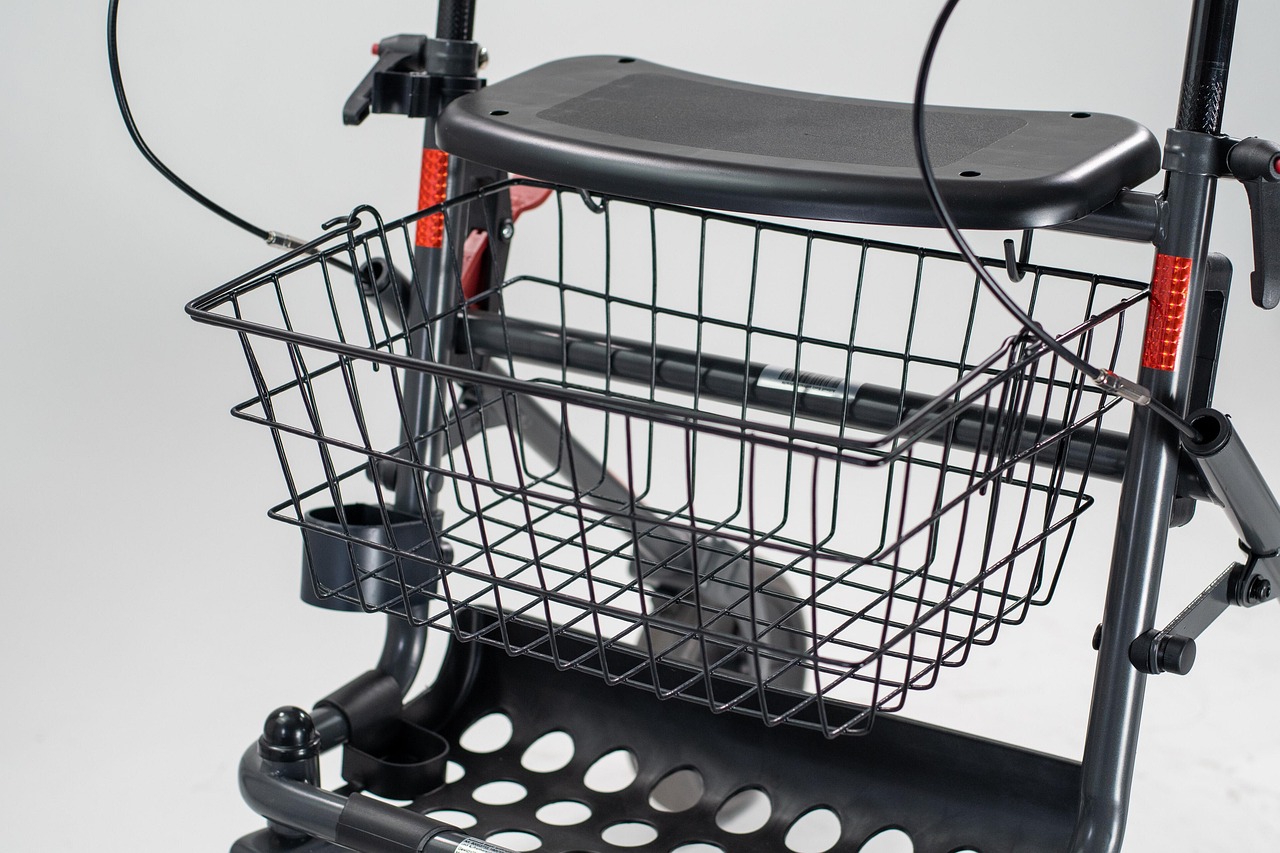
Mobility can dramatically influence our daily activities beyond the simple act of walking. When a person has improved mobility, they become capable of executing tasks ranging from household chores to engaging in recreational activities. This enhancement not only boosts functional independence but also contributes significantly to a person’s mental and emotional health. For instance, being able to run errands without assistance can create a sense of accomplishment which is extremely beneficial for self-esteem. Furthermore, engaging in sports and outdoor activities also fosters community connection and reduces feelings of isolation. Mobility aids include walking aids, canes, wheelchairs, or even supportive footwear that help improve stability. Regular activities such as yoga and swimming help maintain and enhance mobility for various age groups. These physical exercises encourage whole-body movement and can be tailored for individuals, thus making it inclusive. Implementing exercises specifically for improving mobility invites people to develop more functional joint movement. Goals surrounding mobility, such as walking a certain distance or ascending stairs without difficulty, can also guide individuals in maintaining a more active lifestyle. Enhancing mobility is a proactive approach towards achieving better overall health and wellness.
Benefits of Improved Mobility
Improved mobility brings forth a multitude of benefits ranging from physical health enhancements to mental wellness. Engaging in stretching programs or activities that promote mobility provides our body with better blood circulation. Enhanced circulation results in better nutrient delivery and general vitality. This increased health can lead to improved performance in sports and other physical activities, enabling individuals to enjoy these pursuits without discomfort or limitation. Enhanced mobility also minimizes the likelihood of injury as it ensures the joints and muscles are more resilient and better equipped to handle various challenges. Furthermore, mobility activities can significantly reduce the risk of conditions such as arthritis and osteoporosis among older populations, promoting longevity and a healthier lifestyle. Beyond physical attributes, the psychological benefits of improved mobility are equally critical. When individuals can navigate their environments confidently, their self-esteem typically rises. It instills a sense of freedom and autonomy which inherently fosters happiness. Anything that promotes confidence in our ability to engage with the world makes life more satisfying overall. Regularly achieving mobility-focused goals contributes positively towards one’s quality of life and overall happiness.
To experience the best results from mobility training, it’s essential to implement a variety of exercises that target different muscle groups and joints. Dynamic mobility routines might include activities like leg swings, arm circles, and hip openers, which can greatly enhance range of motion. Additionally, activities such as Pilates or Tai Chi may be employed to develop core strength and coordination while simultaneously improving mobility. An intellectually engaging way to enhance mobility is through dance. Styles like hip-hop, salsa, or even ballet provide rhythm and elements of fun to movement patterns, appealing to various fitness levels. The benefits of diverse routines emphasize enjoyment in movement which encourages regular participation. People are more likely to commit to a movement routine that they find entertaining, which invariably leads to greater consistency. Included in mobility training should be rest periods to allow for recovery and adaptation. To maximize effectiveness, seek out guidance from physical therapists or fitness experts to create a tailored plan that addresses specific needs. Ultimately, adopting a well-rounded approach to mobility ensures it remains sustainable while making daily activities more manageable and enjoyable.
Mobility at Different Life Stages
Mobility needs vary widely at different life stages, from childhood to older adulthood. Children require mobility primarily to explore their environment and develop physical skills conducive to growth. Activities like climbing, running, and jumping are fundamental for developing strong muscles and coordination. As children transition into teenage years, mobility contributes to performance in sports, enhancing competitiveness and social interaction among peers. Moving into adulthood, maintaining mobility becomes essential for managing personal health, jobs, and family responsibilities. Adults must engage in fitness routines that embrace strength training to uphold bone health and flexibility to ensure adequate joint movements. Conversely, older adults must focus heavily on preserving mobility to avoid mobility loss, fall risks, and loss of independence. Guided movement practices such as chair yoga or balance training can be incredibly helpful for older adults, adapting techniques to suit their needs. All age groups should continuously strive to build and maintain mobility awareness. Ultimately, ensuring individuals remain active at any life stage contributes greatly to their overall health, wellness, and happiness.
In summary, mobility plays a pivotal role in defining an individual’s overall quality of life. It transcends mere physical movement, influencing various aspects of physical and mental health. Whether it’s ensuring young ones develop their motor skills or supporting older adults in maintaining their independence, focusing on mobility can yield significant benefits. Regular movement, coupled with an understanding of the difference between flexibility and mobility, equips individuals with the necessary tools to thrive in their daily lives. Comprehensive movement programs that address both strengthening and flexibility facets are essential. Pursuing a lifestyle committed to enhancing mobility means endorsing personal empowerment and confidence. Alongside both community and social engagement, improved mobility fosters healthier living, enabling people to participate actively in their environments. Consequently, when we prioritize mobility, we inherently prioritize overall wellness. Individuals, families, and communities all benefit when health becomes a communal aspiration. Therefore, embracing mobility as a lifelong pursuit is essential for experiencing fulfilling physical, emotional, and social lives. As we cultivate mobility in our own lives, we positively influence those around us, creating a ripple effect towards healthier communities.