
The Role of Protective Gear in Cycling Injury Prevention
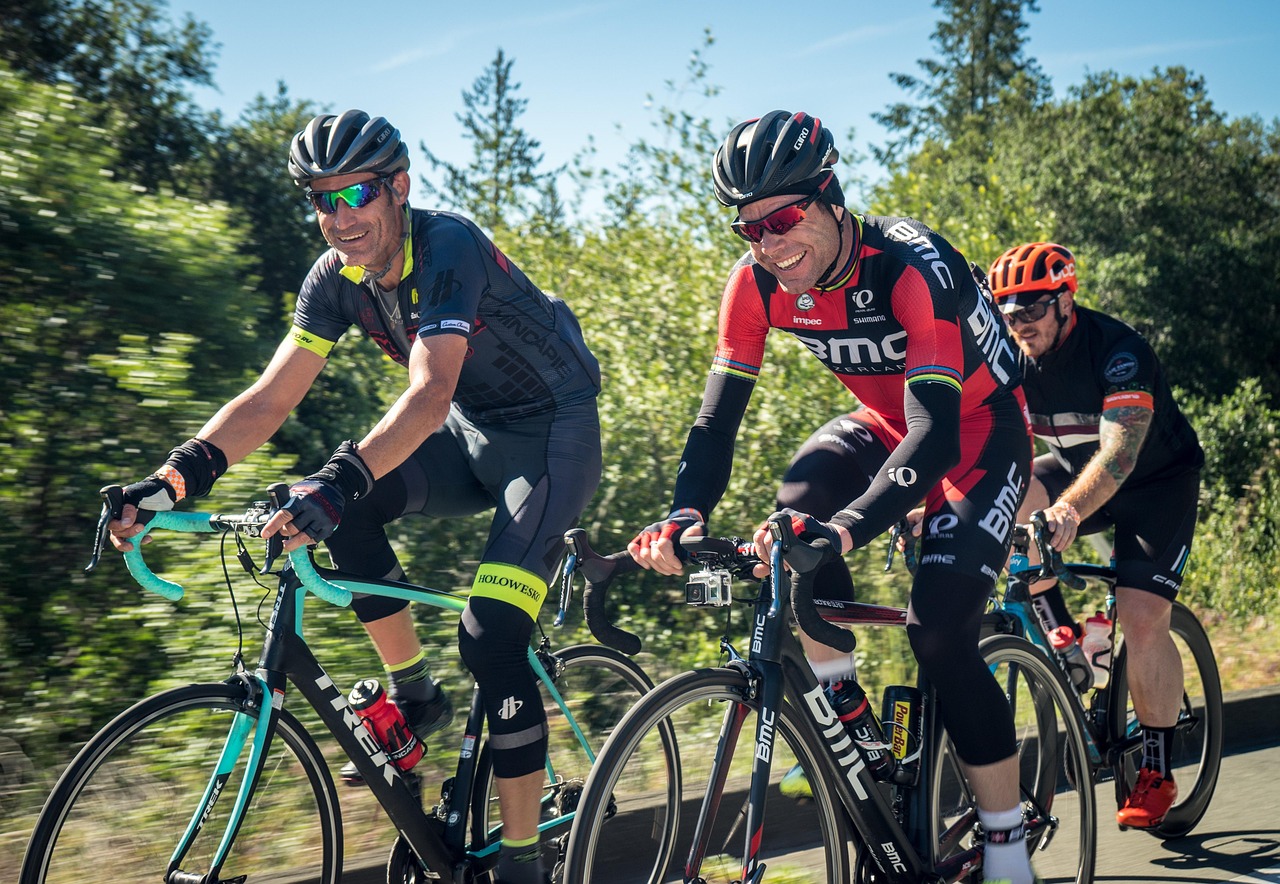
Cycling is an enjoyable and efficient mode of transport, yet it does have inherent risks. The importance of protective gear cannot be overstated in reducing cycling injuries. Like many sports, cycling accidents can happen unexpectedly. Hence, wearing the right protective gear can significantly mitigate injuries from falls or collisions. The most common protective gear includes helmets, knee pads, and elbow pads. Helmets are crucial as they protect the head, absorbing impact energy during accidents. Furthermore, knee and elbow pads guard against abrasions and fractures from falls that cyclists may encounter. Research indicates that wearing helmets reduces the risk of head injuries by up to 85 percent. Moreover, specialized cycling gloves can improve grip and also protect hands in case of a fall. It’s also advised to wear bright clothing, which makes cyclists more visible to others on the road. Riding in low-light conditions increases accident risk, so reflective gear is essential too. In summary, investing in quality protective gear can profoundly enhance safety while cycling. Riders should prioritize these essentials to enjoy the ride while minimizing injury risks.
Beyond simply wearing protective gear, cyclists must also focus on ensuring their gear is properly fitted. A poorly fitting helmet, for instance, may not provide the adequate protection intended during an accident. To achieve proper fitment, there are adjustment straps or padding available in many products. Additionally, maintaining cycling apparel, like shorts or jerseys, is essential as it contributes to overall comfort. Riders who feel comfortable are more likely to ride longer and safer. Moreover, tech innovations have also led to advancements in protective gear design. For example, some helmets now come equipped with built-in lights and communication systems, enhancing safety and interaction with male and female riders. Cycling enthusiasts also advocate for specific protective equipment based on individual riding styles. Mountain bikers may require heavier gear, while road cyclists often prioritize aerodynamics in their equipment. Delving into the regulations and recommendations from cycling organizations can provide insight into essential protective gear for various cycling manners. As safety protocols evolve, it’s intelligent to remain updated on the latest advancements in gear technology.
Helmets: The Essential Protection
Helmets are arguably the most vital piece of protective gear when cycling. A significant number of head injuries occur among riders who are not wearing helmets during accidents. Studies suggest that wearing a helmet greatly reduces the likelihood of severe head injuries by absorbing impact forces. Key features to consider while choosing a helmet include ventilation, weight, and the ability to fit properly. An ideal helmet should have secure chin straps, which prevent the helmet from coming off during impact. Furthermore, the interior padding should be comfortable yet firm enough to keep the helmet in place. Cyclists should also consider the materials from which the helmet is made; polycarbonate shells are often preferred for their durability and lightweight nature. Many contemporary helmets now incorporate technologies that allow for airflow, improving comfort in hot weather. Different sports may necessitate specialized helmet types, tailored to the activity’s characteristics. For example, mountain biking helmets often offer additional coverage at the back of the head for extra protection. Investing in a high-quality helmet demonstrates a commitment to safety and reduces injury risks significantly.
In addition to helmets, protective clothing has become increasingly important in discussions about cycling safety. Clothing designed specifically for cycling features unique materials that help with moisture control, provide warmth, and protect against abrasion in falls. Specialized cycling shorts often come with padding that increases comfort during long rides. Like helmets, the fit of riding apparel matters greatly for safety and comfort on the bike. If clothing is too loose, it may get caught in bike components, potentially causing accidents. Many cyclists also choose to wear long sleeves and pants to further protect their skin. Bright colors and reflective materials should be prioritized in clothing choices to enhance visibility in low-light conditions. Organizations like the League of American Bicyclists stress that visibility can drastically reduce accident risks. Layering clothing can also be beneficial for cyclists who ride in varying weather conditions or terrains. Furthermore, rain gear can be a valuable investment that not only keeps cyclists dry but also improves overall safety. Thus, adopting protective clothing not only contributes to comfort but also significantly influences cyclists’ overall safety outcomes.
Additional Gear for Enhanced Safety
In addition to helmets and protective clothing, cyclists can benefit from other safety gear such as lights, reflectors, and mirrors. These accessories enhance cyclist visibility and make them more detectable to motorists. Proper lighting is particularly essential for night cycling or during overcast weather conditions. Front white lights provide visibility to the cyclist, while red lights or reflectors at the back signal presence to vehicles. Furthermore, rearview mirrors mounted on bikes or helmets enable cyclists to monitor traffic without turning their heads significantly. As a result, awareness of surroundings improves, leading to increased safety. Some cyclists also incorporate high-visibility jackets into their cycling attire, combining comfort and safety in high-traffic areas. Additionally, utilizing cyclocomputers equipped with safety features can aid in keeping track of distance and speed. More importantly, these devices may include accident alert systems, automatically notifying emergency contacts in the event of an accident. Adopting such advanced technology illustrates the importance of being proactive about safety in cycling. Investing in additional gear significantly contributes to reducing injury risk while cycling.
Every cyclist must acknowledge the role of regular maintenance of their bicycle as an essential aspect of safety. This involves checking brakes, tires, and gearing systems to ensure everything operates smoothly. When equipment failure occurs while riding, it can often lead to falls and accidents. Therefore, ensuring the bike is in optimal condition is a crucial preventive measure. Routine tire checks for appropriate inflation levels, for instance, can greatly affect how the bike handles, especially during cornering. Additionally, proper brake adjustment guarantees effective stopping power while navigating through various terrains. Cyclists need to be vigilant for wear signs in their bike chains, tires, and brake pads and attend to them promptly. Performing maintenance may involve basic tasks, but it can prevent significant accidents due to mechanical failure. Comprehensive inspections should be considered before embarking on longer rides. Many cyclists utilize pre-ride checklists to aid in this process, ensuring preparation is thorough. Lastly, attending community workshops can provide insights into efficient bicycle maintenance techniques. Ultimately, responsible bike maintenance plays a vital role in cyclist safety, greatly reducing risks of accidents.
Conclusion: Prioritize Safety for Cycling Enjoyment
In conclusion, prioritizing protective gear and bike maintenance significantly contributes to the safety and enjoyment of cycling. Both individual riders and cycling communities must advocate for the importance of wearing appropriate gear. With helmets, protective clothing, lights, and reflective gear, every cyclist can play a part in accident prevention. The surge in cycling’s popularity means enhanced infrastructure and community support are crucial for ensuring safety. Riders should also participate in safety training and awareness programs to better understand risks. Additionally, sharing knowledge about the correct way to wear helmets and gear can potentially reduce injuries within cycling communities. Informality about gear maintenance and safety protocols can radically alter cyclists’ experiences while riding. Engaging with local organizations and cyclists encourages a shared responsibility for safety. Ultimately, making informed choices about protective gear and maintaining bicycles leads to safer rides, bolstering confidence among cyclists. So, as riders cycle through streets or trails, the emphasis on injury prevention becomes an essential part of everyday riding. Living by these principles can create a safer, more enjoyable cycling culture that encourages new riders.
This article hopes to inspire all cyclists to reflect on their safety practices and choose suitable protective gear. Safety should not be an afterthought; it should be woven into the very fabric of the cycling experience. As individuals explore their environments, the choice to ride smartly and responsibly can impact general outcomes. Always remember that investing in safety gear is not merely an additional expense, but a crucial investment toward personal well-being.