
The Science Behind Muscle Repair After Competition
In the realm of fitness competitions, recovery is vital. Athletes put their bodies to extreme tests during competitions, leading to muscle fatigue and microscopic tears. Understanding the science behind muscle repair helps participants recover effectively and enhance performance. The recovery process is complex, involving hormones, proteins, and cellular activities that work together to restore muscle integrity. Several factors influence muscle recovery time, including the intensity of the competition, nutrition, hydration, and rest. To optimize recovery, athletes should implement strategies that support the body during this critical phase. Optimal recovery not only reduces time away from training but also prepares the body for future competitions. This paragraph provides a foundation for understanding how the body heals.
One of the most critical aspects of muscle repair is the role of rest. When athletes push their limits, their bodies experience both physical and mental fatigue. Adequate rest helps the muscles adapt to stress and promotes healing. The recovery window varies for everyone but is generally between 24 to 72 hours post-competition. During this time, muscles rebuild stronger with appropriate rest, which is crucial to prevent potential injuries. However, rest does not mean complete inactivity; light activities like stretching and yoga can help maintain flexibility and promote blood flow. Athletes should also consider sleep quality, as deep sleep plays a significant role in healing. Aiming for 7 to 9 hours of uninterrupted sleep each night is recommended for optimal recovery. To summarize, rest is an essential component of comprehensive recovery strategies.
Nutrition’s Impact on Recovery
Nutrition plays a pivotal role in muscle recovery, particularly after intense physical exertion. Consuming proper nutrients such as carbohydrates, proteins, and fats can aid muscle repair significantly. After competitions, athletes should consume a meal rich in protein to facilitate muscle synthesis and replenish energy stores. Additionally, healthy carbohydrates help restore glycogen levels depleted during the competition. Foods high in antioxidants are beneficial for reducing inflammation and oxidative stress. Incorporating fruits and vegetables into meals is essential for providing vitamins and minerals that support recovery. Hydration should not be overlooked either; proper fluid intake aids in nutrient transport and muscle function. Athletes should aim to drink water regularly and consider electrolyte-replenishing beverages post-competition. Balancing these nutritional aspects will promote muscle recovery and overall wellness.
Another crucial factor in recovery is active recovery methods. Active recovery involves engaging in low-intensity activities post-competition, promoting blood circulation without placing stress on the muscles. This method aids in reducing lactic acid buildup and alleviates soreness. Some recommended active recovery techniques include walking, cycling, swimming, or engaging in stretching exercises. These activities help loosen stiff muscles and support overall circulation, vital for delivering essential nutrients to fatigued tissues. Listening to your body is key during this phase; if discomfort persists, a complete rest day may be necessary. Furthermore, massage therapy has also been noted for its effectiveness in enhancing recovery by improving blood flow and alleviating muscle tightness. Implementing active recovery practices into post-competition routines can substantially speed up recovery times.
Timing: The 30-Minute Rule
Post-competition, there’s a phenomenon known as the ’30-minute rule’. This rule emphasizes the importance of consuming nutrients within 30 minutes after exertion to maximize recovery benefits. During this critical window, muscles are more receptive to nutrient uptake, making it an optimal time for protein and carbohydrate consumption. Skipping this window can hinder recovery efforts and delay muscle repair, impacting overall performance in future activities. Many athletes opt for protein shakes or recovery bars that are convenient to consume immediately after competition. Planning meals around this timing encourages prompt muscle replenishment. Maintaining a balanced meal with essential nutrients, proper hydration, and calorie intake becomes vital in maximizing recovery effectiveness. Adhering to the ’30-minute rule’ can significantly enhance an athlete’s preparedness for training sessions and competitions that follow.
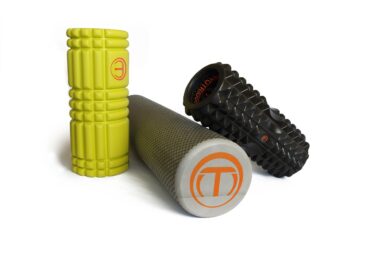
Incorporating recovery techniques like foam rolling can significantly aid muscle repair. Foam rolling promotes myofascial release, which reduces muscle tightness and enhances blood circulation throughout the body. This self-myofascial release technique alleviates soreness and improves muscle elasticity, leading to more efficient recovery. Athletes can roll out major muscle groups, targeting the quadriceps, hamstrings, calves, and back muscles to address areas of tightness. This practice is best implemented in conjunction with other recovery strategies, such as stretching and hydration. Devoting about 10-15 minutes to foam rolling after competition is an excellent way to promote recovery and prepare muscles for future exertion. Using this recovery method enhances flexibility and reduces injury risks during training. Thus, foam rolling is a worthwhile addition to any athlete’s recovery routine.
The Mental Aspect of Recovery
Athletes must also recognize the mental aspects of recovery processes. Post-competition fatigue may involve more than just physical exhaustion and emotional resilience can greatly influence recovery efficiency. Engaging in mindfulness techniques and relaxation strategies will support mental clarity and focus, essential for effective recovery. Visualization, meditation, and breathing exercises can help athletes manage stress and boost their mental state. A positive mindset aids in reducing perceived exertion during recovery, promoting a willingness to engage in rehabilitation activities. Connecting with a support system comprising friends, family, and coaches can enhance motivation and accountability. Being open about feelings during recovery can lead to a more fruitful healing process. Emphasizing mental wellness complements physical recovery, thus leading to overall improved performance in subsequent fitness competitions.
In conclusion, understanding the multifaceted nature of muscle repair after fitness competitions can empower athletes in their recovery endeavors. Integrating rest, nutrition, active recovery methods, timing, and mental health practices are pivotal components of an effective recovery strategy. Additionally, sought-after techniques like foam rolling and hydration cannot be overstated as they contribute positively towards optimizing recovery periods. Athletes should remain consistent with these recovery principles, adapting their approach as needed. By valuing the recovery process and committing to it, individuals can enhance their performance potentials and reduce injury risks. Continuous education about recovery sciences paves the way for better practices, ensuring long-term success in the competitive landscape. This knowledge will undoubtedly benefit athletes, guiding them on their journey towards achieving peak performance and enduring health.