
Using Graphs and Charts to Visualize Bodybuilding Progress
Bodybuilding is not just about lifting weights; it involves meticulous planning, measurement, and tracking progress. One of the most effective ways to enhance your bodybuilding journey is by utilizing graphs and charts to monitor your gains. By systematically recording workouts, body measurements, and nutrition intake, you can visualize progress over time. The visual representation allows you to identify trends, pinpoint areas needing improvement, and adapt your training routines accordingly. Moreover, visual tracking helps in maintaining motivation as you witness gradual changes in your physique. Bar graphs can illustrate weight lifted across different exercises, while line graphs can track body weight changes over time. Therefore, incorporating these visuals can be an engaging method to commit to your bodybuilding goals. Refining your approach based on insights gathered from your charts can yield better results. Remember to update your graphs regularly to keep an accurate record of your performance. Ultimately, engaging with these representations on a consistent basis can empower you to make informed decisions that steer your bodybuilding efforts in the right direction. Visualization is a powerful tool when it comes to achieving bodybuilding success.
The Importance of Data in Bodybuilding
Data plays a crucial role in bodybuilding. It enables athletes to evaluate their progress objectively and to make data-driven decisions. By utilizing metrics like weight, body fat percentage, and muscle gains, bodybuilders can quantify their improvements over time. This helps in setting realistic short-term and long-term goals that align with their individual aspirations and needs. When you record your workouts diligently, it becomes easier to track your improvement consistently. For instance, keeping a log of your best lifts and comparing them with past records can boost your motivation. Also, measuring your nutrition intake through apps can help maintain a balanced diet conducive to muscle growth. Moreover, understanding how your body responds to different diets and workouts allows you to tailor your training regime efficiently. When everything is documented, you can analyze your performance and make adjustments where necessary. The data cultivated can provide insights that lead to discovering new training techniques or diets that work for you. Engaging with this information plays a significant role in fostering both physical transformation and mental determination in the bodybuilding journey.
In terms of tools, several applications are available for tracking your bodybuilding metrics. Many of these apps allow you to input data effortlessly and often provide visual analytics to interpret your progress effectively. Essential features include the ability to log workouts, monitor dietary intake, and set reminders for training sessions. Some of the popular applications even come with integrated charts that can display your metrics in a visually appealing manner. By utilizing technology, you can streamline your routine and minimize the administrative burden that comes with tracking. As you enter your data, the app generates graphs reflecting your performance trends over time, contributing to a more engaging experience. Additionally, social elements within these apps may encourage you by allowing sharing of progress with friends or fellow athletes. These motivational aspects can help maintain accountability. Moreover, being able to see others’ efforts can inspire you to push your limits further. The combination of visual tracking and community support creates a comprehensive ecosystem that ultimately fosters commitment to your bodybuilding endeavors, enabling you to reach your desired outcomes with heightened awareness and determination.
Types of Graphs to Utilize
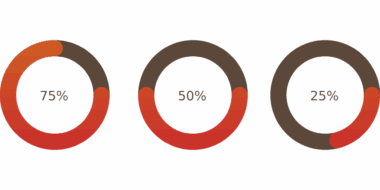
When visualizing progress, different types of graphs can serve distinct purposes, each contributing to a clearer understanding of your bodybuilding journey. Line graphs are particularly useful for tracking changes in body weight or body fat percentage over time. They allow you to observe trends effectively, making it easier to spot gains or setbacks. On the other hand, bar graphs can showcase the amount of weight lifted over various workouts. This can be motivating as it visually represents your strength progression. Pie charts may help illustrate the percentage of your macronutrient intake, giving you insights into your dietary balance. Tracking the variations in your bodybuilding metrics through these graph types can significantly enhance your understanding of your progress. Keeping these visualizations simple yet informative leads to effective insights that are easy to interpret. Moreover, you can correlate workouts with body changes; for instance, if you increase caloric intake, but body weight does not change, further adjustments may be necessary. Utilizing these diverse graphs enables a comprehensive approach to monitoring multiple aspects of your bodybuilding journey, simplifying the tracking process while multiplying its effectiveness.
Setting specific goals and using graphs to outline the steps toward achieving these goals can be motivational and empowering. For example, if you aim to increase your squat by 50 pounds over the next six months, documenting your weekly lifts in a graph allows you to visualize your progression. This not only serves as an accountability tool but also illustrates how consistent efforts lead to tangible gains. On the other hand, if your progress stalls, the graph can indicate whether adjustments in your training schedules or dietary habits are necessary. Another aspect is the psychological benefit of seeing progress—no matter how small. Progress can be slow at times, but when you can visually track those increments, it reinforces your efforts. Every little gain in the graph translates to real results, enhancing motivation to continue pushing forward. Thus, setting structured short-term goals and regularly updating your graphs enables you to stay focused and committed. Ultimately, the synergy between targeted goals and visuals can create a powerful framework for achieving persistent growth and success in your bodybuilding journey.
Consistency and Its Role
Consistency in tracking and analyzing your bodybuilding metrics is essential for long-term success. Regularly recording your workouts and progress prevents complacency while reinforcing commitment to your fitness goals. With the use of graphs and charts, consistency helps paint a clear picture of where you started and the journey you’ve undergone. Missing entries or sporadic documentation can lead to gaps that may skew your self-assessment. The visual data provides a comparison against your past performances, making it evident whether you are improving or maintaining stagnation. Besides, regular reflections on your progress inspire confidence and motivate you to continue making serious efforts. Committing to a consistent routine in tracking metrics also fosters discipline—a pivotal element in bodybuilding. As you consistently adjust your training based on documented trends, you create a self-correcting mechanism that aligns your workouts with desired results. Furthermore, consistency helps develop a habit, transforming tracking into an easy and enjoyable task. Ultimately, emphasizing consistency in recording and analyzing bodybuilding metrics leads to better planning, enhanced adaptability, and, ultimately, satisfying progress in your fitness journey.
Finally, sharing your graphs and progress with others can enhance your bodybuilding experience by fostering community and gaining new insights. Engaging in discussions around your metrics can help inspire and motivate peers while inviting constructive feedback. Online platforms, fitness forums, or workout groups often encourage individuals to share their journeys, leading to valuable exchanges of information. Similarly, partners in training can help interpret your charts, offering another perspective that you might not have considered. Furthermore, the social proof gained through sharing can be exceptionally uplifting, creating a sense of camaraderie and shared goals among athletes. Witnessing others’ progress alongside your own benefits the social aspect of bodybuilding, often pushing you to elevate your efforts. Sharing struggles and victories promotes an atmosphere of encouragement, compelling athletes to strive for improvement. Therefore, being part of a supportive community enhances accountability, allowing everyone to thrive in their bodybuilding journeys. Visual tools transform from personal tracking to a collective source of accountability and motivation when shared, enriching the overall experience of pursuing one’s bodybuilding ambitions.