
Why Inline Skaters Should Learn Basic First Aid
Inline skating is a thrilling and popular sport, but like any physical activity, it comes with risks. Learning basic first aid is crucial for inline skaters to ensure safety while enjoying the ride. With knowledge about how to respond to common injuries, skaters can minimize the impact of accidents and foster a safe environment. Basic first aid skills can help in attending to minor injuries, like scrapes and bruises, or even serious emergencies. Knowing how to properly handle a fall can significantly reduce injuries, allowing skaters to get back on their inline skates sooner. Awareness of essential safety tips can greatly enhance one’s skating experience, making it not only fun but also safe. Beginners might encounter falls more frequently, which underscores the importance of being prepared. Having a first aid kit handy when skating outdoors is also a prudent choice. This kit should include bandages, antiseptic wipes, and ice packs. Inline skaters should also learn how to assist others in need of help during a fall. This knowledge not only helps the skater but also contributes to the broader skating community.
Not only does basic first aid education protect yourself, but it also helps fellow skaters. It creates a sense of camaraderie and responsibility. One significant aspect skaters should recognize is addressing head injuries properly. Wearing helmets is already a key piece of safety gear, but knowing how to help someone with a suspected concussion can make all the difference. If a fellow skater falls and shows signs of serious injury, such as confusion or loss of consciousness, obtaining professional medical help should always be the priority. First aid knowledge empowers skaters to act quickly and confidently in emergencies. In addition to injuries, being trained in first aid includes managing allergic reactions, which can sometimes occur while skating outdoors. Being prepared to recognize symptoms like swelling or difficulty breathing is vital. Inline skaters can also register for First Aid and CPR courses to gain comprehensive skills. Many organizations offer these classes, often at reasonable rates. Completing such training enhances one’s overall safety awareness. Equip yourself with the information that can save lives and foster a supportive skating environment for everyone.
Another crucial area for inline skaters to focus on is cutting and abrasions, common in the sport due to falls. Wearing protective gear like knee pads and elbow pads significantly reduces these types of injuries. However, despite precautions, falls will happen. In the event of a minor cut, skaters should know how to clean wounds properly. First, the affected area should be rinsed gently with clean water to remove dirt. After cleaning, applying an antibiotic ointment can help prevent infections. Finally, covering the wound with a sterile bandage aids healing by protecting it from further injury. Skaters should always check their equipment before hitting the skate park or trails. Ensuring that wheels and brakes are functioning properly can help prevent accidents. Riding on faulty gear increases the risk of injuries. Basic first aid also includes recognizing when a mechanical failure leads to a fall. A skater might experience anxiety after a serious incident, which is completely normal. Waiting a few moments to regain composure before returning to skating can help maintain a safe atmosphere.
Knowing Basic Techniques In First Aid
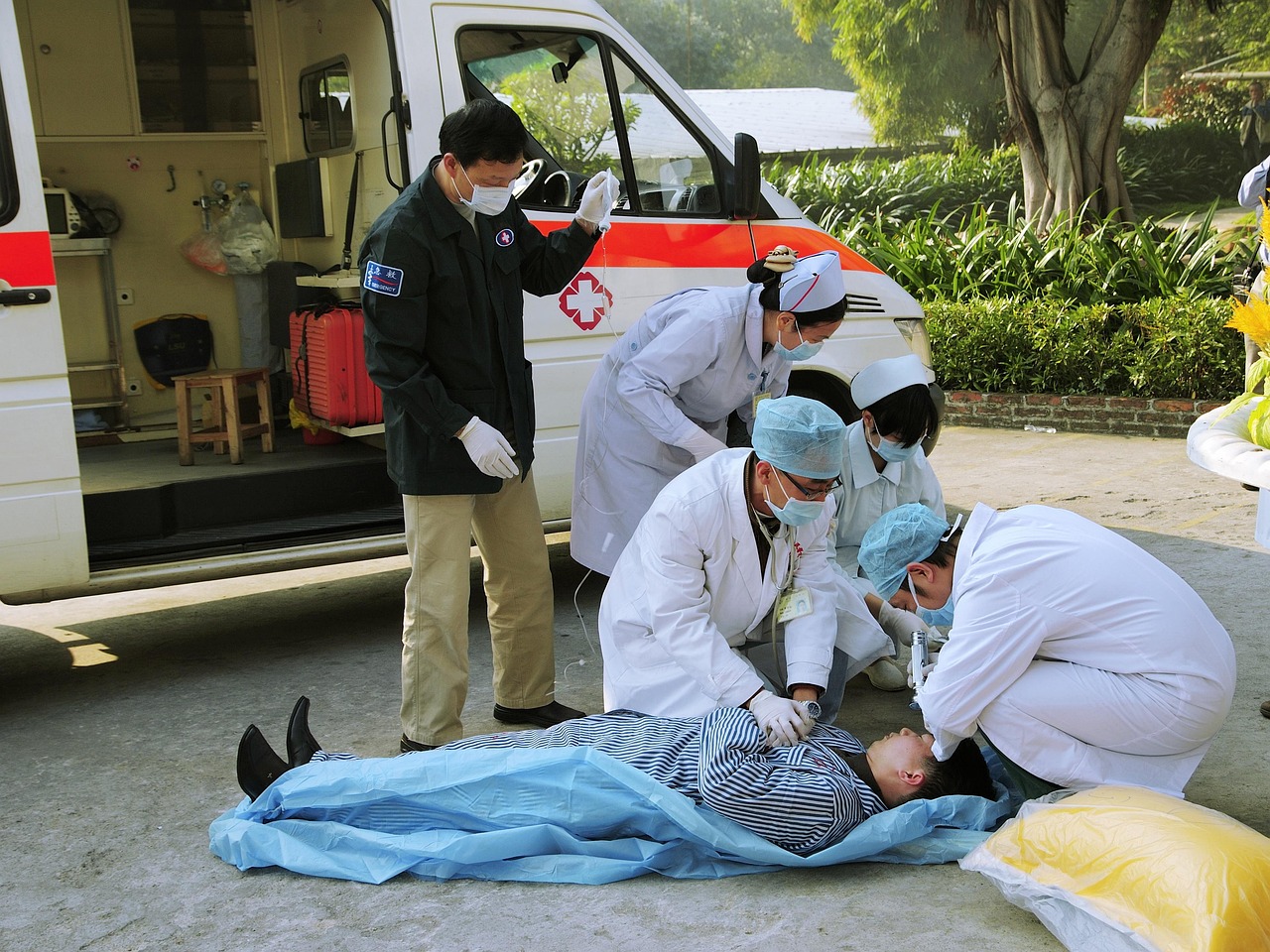
In addition to practical skills, inline skaters should familiarize themselves with effective first aid techniques for fractures or sprains. When encountering someone suspected of having a broken bone, it’s critical to keep the person as still as possible until medical help arrives. Offering comfort and reassurance can also help alleviate the victim’s anxiety during this overwhelming experience. Applying ice to sprained areas, wrapped in a cloth, can reduce swelling and pain. Elevating the injured limb whenever possible aids recovery as well. Encouraging skaters to educate themselves on the R.I.C.E. method is beneficial. R.I.C.E. stands for Rest, Ice, Compression, and Elevation, thus forming a basic framework for treating soft tissue injuries. Knowledge of this method can help skaters respond appropriately to injuries they encounter. Creating a supportive culture where skaters look out for each other fosters a communal atmosphere of safety. Motivating friends to pursue first aid training together promotes engagement and reinforces crucial skills. Ultimately, this behavior enhances not just individual safety but also the entire inline skating community.
Inline skating can also expose participants to environmental hazards, especially when skating outdoors. Skaters should learn how to recognize and respond to dangers such as heat exhaustion or dehydration. Hot, humid trail conditions can lead to fatigue quicker than expected. Recognizing symptoms like excessive sweating, weakness, or confusion is vital. Keeping a reusable water bottle handy while skating ensures hydration, which is essential for preventing cramps and heat-related illnesses. Having snacks available can replenish energy sources during prolonged skating sessions. Inline skaters should also consider including sunscreen as a vital part of their safety routine, particularly skating in sunny environments. Applying a broad-spectrum waterproof sunscreen helps protect the skin from UV damage. In addition, understanding the significance of sharing paths with pedestrians and other cyclists fosters harmony on trails. It’s essential to respect the space of others while skating. Knowing basic traffic rules about yielding and signaling can keep everyone safe. This knowledge encourages a friendly and respectful attitude in the skating environment. Respect leads to community ties that elevate the skating experience for all participating individuals.
Riding safely requires proper situational awareness. Despite being in an enjoyable environment, inline skaters must remain vigilant. This includes being aware of their surroundings and recognizing potential hazards. Not all surfaces are skateable. Learning to identify obstacles like cracks, debris, and other skaters can prevent severe accidents. Inline skaters benefit from practicing their skills on different terrains, which enhances their maneuverability. Taking lessons to improve balance and technique also aids in avoiding accidents. Finding a skating group or joining a local skating class is a great way to enhance skills while also learning valuable safety tips. Skating with others creates an encouraging environment. Experienced skaters can offer guidance while beginners develop confidence. Understanding personal limits is another important aspect of skating safely. Pushing oneself beyond capabilities can lead to injuries. Setting realistic goals is essential for a secure and enjoyable skating experience. Encouraging fellow skaters to do the same results in a more secure community. Inline skating offers exhilarating experiences when participants are safe and responsible. Being knowledgeable about first aid also builds responsibility within the community, providing benefits beyond the skating rink.
Conclusion: Stay Safe and Informed
To summarize, learning basic first aid is essential for inline skaters, enhancing their safety skills. First aid knowledge empowers skaters to aid themselves and others in emergencies. By understanding common injuries and knowing how to treat them, inline skaters can minimize risks and create a supportive environment. Equipping oneself with first aid training fosters improved situational awareness both for personal safety and others sharing the experience. Forming a community that encourages taking responsibility for each other’s well-being is vital. Skaters should always stay informed and continue learning about injury prevention. Practicing safe habits, utilizing protective gear, and remaining aware of surroundings contribute to a safer skating experience. Skaters are encouraged to participate in first aid training courses and engaging with local groups to learn best practices. Remember, by being prepared and proactive about safety, inline skaters not only enjoy themselves but also build a responsible and caring skate culture. Your knowledge can make a significant impact, ensuring everyone can share in the joy of skating while remaining safe. Inline skating is thrilling but should always be practiced safely, with the knowledge and skills to respond to any situation.
As you seek to enhance your inline skating experience, make learning basic first aid a priority. This investment in knowledge will not only empower you personally but boost the overall safety of your entire skating community.