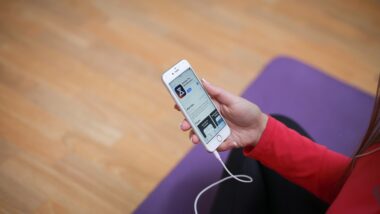

Analyzing Sleep Data with Top Fitness Apps
In today’s fast-paced world, sleep has become a luxury that many people struggle to obtain. Thankfully, fitness apps have evolved to help track and analyze sleep patterns effectively. With features designed to monitor everything from sleep quality to duration, these apps can provide valuable insights. This technology often employs sensors or accelerometers on wearable devices to collect data. Understanding sleep cycles is crucial as they play a significant role in recovery, mood, and overall health. By gathering data on various metrics, you can pinpoint factors impacting your sleep negatively. The data can reveal trends across different nights and help you assess what changes influence your night’s sleep. For example, a consistent sleep schedule can significantly improve sleep quality. In-app recommendations also help you create personalized plans to improve your sleep through smarter choices. You’ll find that apps typically allow logging other relevant factors, such as caffeine consumption or evening routines, leading to deeper insights. Accessing this information regularly ensures you stay informed about your sleep habits, allowing for purposeful adjustments in your lifestyle.
The most convenient feature among sleep tracking apps is their ability to record sleep stages, which classify periods of light, deep, and REM sleep. Users can witness how their sleep cycles fluctuate based on habits and routines. This analysis helps identify not only patterns but also the efficiency of sleep. An app might suggest optimizing bedtimes or adjusting the environment based on collected data. This information can encourage individuals to adapt their lifestyles for better sleep hygiene. Users can look for integrations with other health metrics such as heart rate and physical activity levels. Monitoring these connections can yield fascinating insights about the impact of exercise on sleep quality. Additionally, quality sleep is vital for athletic performance. Athletes often utilize these apps to recover faster and enhance their performance capabilities. Various apps provide tailored feedback based on algorithmic patterns observed in users for actionable insights on when to train harder or rest. This feedback loop promotes a holistic approach to fitness and wellness that aligns better with personal health journeys. Comprehensive tracking encourages users to establish better, healthier routines that prioritize sleep, ultimately enhancing their fitness goals.
The Importance of Sleep for Overall Wellness
Sleep is paramount to achieving overall wellness and maintaining mental clarity in everyday life. Fitness apps that focus on sleep tracking not only amplify exercise performance but also improve psychological well-being. Sleep deprivation is often linked to increased stress levels and lowered immunity, which can greatly affect anyone’s fitness journey. The recovery period from various workouts relies on adequate sleep to repair muscles and restore energy levels. Users who actively engage with sleep tracking features can notice improvements and identify practices that enhance their sleep quality. Some apps even incorporate guided sleep meditations or relaxing soundscapes that assist users in drifting off faster. Proper involvement with such tools can turn sleep into a rejuvenating experience, essential for facilitating balanced living. It also assists users in contributing to their overall physical health in ways that transcend traditional exercise. Such knowledge and encouragement enable individuals to take ownership of their rest, ultimately steering them towards healthier choices in all aspects of life. Embracing this wellness approach can help users prioritize sleep and elevate their fitness initiatives to new heights.
Moreover, social features in many fitness apps foster community engagement and motivation. Users can connect with friends to share their sleep data and support each other’s wellness journeys. This social interaction encourages individuals to hold each other accountable for improving sleep habits, thus enhancing adherence to personal goals. Nurses, trainers, and health professionals increasingly recommend sleep tracking as an essential part of a comprehensive health strategy. As awareness grows on the significance of sleep, more individuals are adopting this enriching habit. Through shared experiences, users foster valuable conversations around sleep challenges and triumphs, boosting morale and motivation. Some platforms even enable gamification, where users earn achievements for consistent sleep patterns. Users can revel in their successes, creating an engaging atmosphere that promotes long-term health commitments. Incorporating user feedback and community insights develops ongoing motivation enabling teams or group challenges centered on sleep goals. Fitness tracking apps have the potential to become lifelines for establishing better sleep. Everyone can greatly benefit from celebrating personal victories, inspiring a proactive approach to sleep health among friends and communities.
Integrating Sleep Insights into Daily Routines
Integrating insights from sleep tracking apps into daily routines can significantly enhance personal health journeys. Users would find the ability to analyze data, recognize patterns, and modify daily practices crucial for cultivating rewarding wellness strategies. Effective insights mean users can better understand their unique sleep needs, learning which activities contribute to or detract from restful nights. Knowing what specific habits might disrupt sleep patterns allows for calculated adjustments. This understanding empowers users to establish healthier environments, whether ensuring that sleeping spaces are dark, quiet, or appropriately cooled. Frequent assessments of sleep data can reveal if certain foods or drinks also impact sleep quality. For example, consuming caffeine late in the day might lead to restlessness, an observation that can promptly be adjusted. Furthermore, consistency regarding bedtimes and wake-up timings encourages the body to establish a natural rhythm. The convenience of having personalized features that adapt to changing needs makes these apps invaluable tools for enhancing sleep. Leading an active lifestyle and ensuring adequate sleep can be coordinated efficiently with the correct data at hand, fostering long-term effective habits.
In conclusion, the intersection of fitness apps and sleep tracking unveils numerous benefits for individuals serious about their health. By employing technology to monitor sleep patterns, users can influence their overall performance positively. Comprehensive data analysis can help create benchmarks, allowing users to establish achievable targets. Integrating these habits through apps provides necessary reinforcement by emphasizing the connection between physical health and restorative sleep. Proactive engagement enables users to transition to healthier lifestyles by recognizing the impact of quality sleep. They might discover that prioritizing sleep becomes an essential part of their fitness routines, ultimately leading to improved outcomes. Awareness of sleep roles promotes informed decisions while navigating a busy lifestyle. Users can meet their fitness goals while experience the rewards of enhancing sleep practices, leading towards sustained overall well-being. By continuing to research what works and sharing successful strategies with the community, it streamlines the approach to wellness. The emergence of innovative sleep tracking technologies, complemented by user-friendly interfaces, indicates a positive shift in how individuals can access and utilize health assessments effectively.
Future Trends in Sleep Tracking Technology
Looking ahead, the future of sleep tracking technology shows promising advancements that aim to widen the understanding of sleep patterns. New developments in artificial intelligence may yield more detailed insights, predicting sleep disturbances before they occur. Emerging technologies aim to combine biometric data, such as heart rate and variability, alongside sleep quality metrics to develop a more realistic picture of overall health. Collaborative efforts between tech developers and healthcare providers could lead to integrating extensive datasets, enhancing recommendations tailored to individual users. The incorporation of personalized feedback and gamification strengthens user engagement, vital for adherence to sleep routines. Devices could evolve to non-invasively analyze sleep behaviors by simply resting on your mattress, eliminating the need for wearables entirely. This accessibility could lead to further acceptance and integration of sleep tracking practices among the general population. As more users embrace fitness apps that seamlessly incorporate these methodologies, chronic sleep issues may witness a decline. Consequently, the growing awareness of the importance of sleep health ensures users remain motivated on their journeys, positively impacting their overall life quality.
Additionally, the versatility of sleep apps will likely expand, introducing more diverse functionalities designed to cater to various populations. Features may innovate further to include recommendations specifically tailored for athletes, parents with young children, or those with irregular work schedules. Adjustments to sleep coaching could also emerge based on genetic and lifestyle factors, offering a more personalized approach to sleep health. Cross-platform compatibility could facilitate better communication among users and health professionals alike. The expansion of sleep communities within these apps provides shared resources and collective encouragement, enhancing motivation to prioritize rest. By integrating environmental data, users may receive real-time feedback enabling them to craft sleep-friendly surroundings. This progression showcases the commitment of the fitness app industry to empower individuals towards achieving a fulfilling existence through improved sleep practices. Overall, these potential advancements in sleep technology shine a light on its growing significance, indicating a crucial step towards holistic wellness. Continuous engagement in sleep analytics will play a transformative role in reshaping health perceptions, ultimately leading individuals to strive for wellness that encompasses both physical fitness and restorative sleep.