
Understanding Gait Training
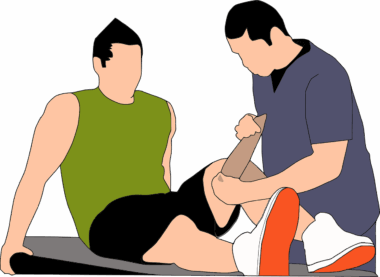
Gait training plays an essential role in rehabilitation and injury prevention, particularly concerning balance and coordination challenges. It focuses on enhancing individuals’ ability to walk effectively and safely, addressing issues arising from injuries, surgeries, or neurological conditions. Central to effective gait training is the integration of various balance and coordination drills. These drills not only boost physical mobility but also significantly improve patients’ confidence while navigating various environments. Engaging in appropriate gait training exercises can enhance muscle strength, improve coordination, and develop rhythm in walking patterns. Properly tailored programs ensure that individuals are guided through activities that meet their current physical abilities while challenging them adequately to promote improvement. Moreover, the gradual progression of these exercises can assist in effectively preventing the risk of falls, which is a major concern in rehabilitation settings. Additionally, focus should be placed on individualized assessments to determine specific needs, ensuring each participant reaps the maximum benefits from the training. As patients progress in their rehabilitation, incorporating different terrains and obstacles into their routine is crucial for real-world gait adaptability, thereby enhancing their overall functional mobility.
Key Balance Drills for Gait Training
Various balance drills are instrumental for enhancing gait training protocols, with each serving a distinct purpose. For instance, single-leg stands challenge individuals to maintain stability on one foot while improving proprioception. Tandem walking, where participants walk heel-to-toe, sharpens coordination and balance skills essential for effective locomotion. Another effective drill is the use of a balance beam, which encourages controlled movements and engages different muscle groups. Incorporating exercises that utilize stability balls can significantly enhance balance by forcing the body to engage core muscles continuously. Additionally, Tai Chi offers an excellent way to improve stability and coordination through slow, controlled movements. Implementing these drills within gait training not only enhances physical strength but also contributes to the mental components of balance by requiring focus and concentration. To maximize benefits, it’s important to vary the drills throughout the training regimen. Utilizing challenging surfaces, such as uneven ground or soft mats, can also simulate real-life situations to prepare participants better for their activities outside rehabilitation settings, ultimately leading to improved functional outcomes.
Among balance drills, incorporating weighted exercises into gait training can elevate the intensity levels, resulting in significant benefits. Patients can use ankle weights or weighted vests while performing gait drills, helping build strength while enhancing stability. Additionally, implementing dynamic balance activities is vital for developing the body’s ability to make quick adjustments while walking. For example, practicing walking while turning the head, crossing arms, or looking in different directions aids in refining balance and coordination. Such drills ensure the body adapts to unexpected changes in physical positioning, mimicking challenges that the individual may face in daily life. Regularly engaging in these activities encourages the neuromuscular system to become more adaptive and responsive, which is crucial for reducing fall risks. Moreover, monitoring progress through assessments assists in adjusting the difficulty of these drills, further tailoring the training regimen to individual capabilities. Gait training with weighted and dynamic exercises provide patients with essential skills needed to navigate their environments safely and confidently, significantly contributing to improved overall wellness and day-to-day functionality.
Another effective strategy in enhancing gait training is through the combination of strength and flexibility exercises. Emphasizing lower extremity strength can provide the foundation for stable gait mechanics, reducing the risk of falls. Exercises targeting quadriceps, hamstrings, and calf muscles are critical in facilitating strength gains. Similarly, flexibility training is essential as it improves range of motion and reduces muscle stiffness. Incorporating stretching drills before and after gait sessions can significantly enhance mobility and reduce the chance of injury. Furthermore, strength and balance can be effectively developed through the use of resistance bands, which provide controlled resistance without overwhelming the individual. The primary goal during these sessions is to ensure the participant is comfortable and that exercises do not exacerbate existing conditions. Adding variety and challenges, such as altering the tempo of movements or introducing resistance, allows for continued improvements while keeping participants engaged in their training. When integrated harmoniously, strength and flexibility training can yield remarkable results in overall gait performance, allowing individuals to reclaim independence and improve their quality of life.
Regularly assessing the effectiveness of balance drills in gait training becomes crucial for gauging participant progress. Assessment can take various forms, such as structured tests measuring stability, mobility, and overall coordination. Tools like the Berg Balance Scale or the Timed Up and Go Test (TUG) provide professionals with valuable insight into the patient’s progress. Tracking improvements enables trainers to adjust techniques accordingly, ensuring that individuals continue to be challenged while maintaining safety. Feedback should be coupled with progressions that enhance engagement among participants. For instance, slowly increasing the duration of balance drills or changing the support surface can aid in continually advancing skills. Furthermore, positive reinforcement through encouragement and celebrating small milestones can play an essential role in keeping participants motivated. Incorporating regular discussions about goals and expectations also assists individuals in taking ownership of their recovery process. Through consistent assessment and tracking, professionals can tailor each participant’s journey, reducing frustration and ensuring that they remain committed and invested in their rehabilitation program.
Importance of Mental Engagement
Mental engagement cannot be overlooked in the context of gait training, as cognitive function plays a critical role in balance and coordination. Activities that require attention, like engaging in dual-task training, can be remarkably beneficial. This involves performing motor tasks while simultaneously focusing on cognitive tasks, thus simulating real-life situations where individuals multi-task. For example, encouraging participants to count backward while walking forces their minds to process multiple inputs, significantly enhancing their ability to maintain balance. Another vital component is visualization techniques, where participants envision successful outcomes before executing movements. This mental rehearsal helps reinforce pathways associated with balance and coordination, building confidence. Indeed, developing mental strategies contributes to optimizing performance outcomes significantly. Moreover, creating an enjoyable and supportive training environment fosters enthusiasm, encouraging participants to embrace challenges. Using music or rhythm during gait training can effectively enhance motivation and compliance, leading to an improved attitude towards the rehabilitation journey. Combining cognitive aspects with physical training thus promotes more well-rounded recovery strategies, ensuring better adherence to therapy routines and enhancing gait performance in the longer run.
In conclusion, balance and coordination drills are essential components of effective gait training programs. They not only address the physical aspects of rehabilitation but also nurture mental engagement, ensuring a holistic approach to recovery. Emphasizing the development of individualized programs that incorporate balance drills, strength training, and flexibility exercises will yield optimal results for participants. Furthermore, regular assessments are essential for tracking progress, enabling trainers to provide tailored experiences that meet specific needs. Encouraging the use of dual-tasking scenarios enhances cognitive engagement, which is key for improving the overall effectiveness of rehab protocols. Combining various training components with an emphasis on mental preparedness and enjoyment will lead to greater adherence and richer outcomes in mobility and independence. Ultimately, these strategies contribute to a more enjoyable rehabilitation experience, significantly impacting patients’ long-term recovery. By creating structured yet dynamic routines that challenge participants appropriately, we ensure they remain committed to their rehabilitation journeys and improve their gait mechanics. Ongoing support and positive reinforcement are paramount in maintaining motivation, helping individuals achieve their personal goals as they regain their functional movement abilities.
Continuing advancements in therapeutic techniques and technologies in gait training are continually enhancing recovery experiences for many individuals seeking rehabilitation. Approaches involving virtual reality or robotics can simulate real-world functionalities, thereby increasing engagement. Participants using virtual systems can practice movements in a safe and controlled environment, which fosters both comfort and exploration. By integrating cutting-edge tools within conventional gait training, therapists can significantly elevate the rehabilitation process. Using diverse environments to replicate daily tasks further allows the exploration of movement patterns while ensuring that safety and injury prevention remain paramount. These innovative methodologies not only help in visual and spatial orientation but also in stimulating neural pathways essential for movement control recovery. Equipping therapists with the latest tools and techniques ensures that participants are on the road to effective rehabilitation, leading them towards achieving their individual mobility goals. Hence, a comprehensive and tailored approach, paired with emerging technologies, can yield remarkable outcomes for those who navigate through the challenges of recovery, establishing a brighter outlook for improved gait performance and overall functionality.