
Breath Control Drills to Enhance Performance Under Fatigue
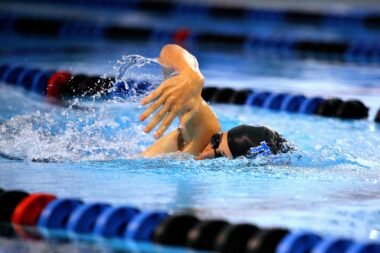
Improving breath control is essential for swimmers aiming to enhance their performance, especially under fatigue. Efficient breath control allows swimmers to maintain speed, technique, and consistency. One effective way to practice this fundamental skill is through specific drills that focus on synchronized breathing patterns. Performing these drills can significantly enhance performance during intense workouts and competitions. To begin, swimmers can incorporate timed breathing exercises into their training routine. For instance, by taking a breath every three or five strokes, athletes can develop a strong rhythm. Furthermore, the addition of spirometry training allows swimmers to measure lung capacity effectively, thus building their endurance. Integrating specific drills, such as bilateral breathing, offers numerous benefits that can improve overall swimming techniques. Swimmers who incorporate bilateral breathing can enhance their body position while minimizing drag. Consequently, this translates to better race times and improved energy conservation. It’s crucial to remember that quality over quantity plays an important role in these drills. Focusing on controlled, deliberate breaths rather than quick, shallow ones often yields better results. This emphasizes the need for quality practice over merely going through the motions in the pool.
Another beneficial drill for breath control is the “bubble” technique, which encourages swimmers to exhale fully while swimming. This aspect is vital, as it aids in maintaining an efficient respiratory cycle. Additionally, the method emphasizes proper body alignment in water, as swimmers focus on creating a streamlined position while blowing bubbles. Regular practice of this drill not only boosts one’s confidence while breathing but also contributes to improved stroke mechanics. Moreover, visualizing the body position while exhaling helps swimmers enhance their overall coordination. Another aspect to consider is the role of fatigue management during these drills. As swimmers progress through their workouts, fatigue can set in, causing improper breathing patterns. Addressing this issue is paramount for optimal performance. Practicing breath control drills during intense sets, especially when fatigued, simulates race conditions. This enables swimmers to remain calm under pressure. Furthermore, pairing breath control drills with resistance training can also enhance the challenges faced while swimming. Adding equipment like drag suits during these drills can significantly increase strength and breath control under duress. By integrating resistance with breath focus, swimmers build essential skills that translate directly into improved race-day performances.
Integrating Breath Control in Training
For effective training, it is vital to integrate breath control drills strategically within workouts. Consider combining these exercises with stroke-specific drills to elevate performance. For example, incorporating 50-meter sprints with every third stroke focusing on breath control reinforces proper technique under fatigue. This approach emphasizes the connection between breath and speed, crucial during competitive events. Swimmers should also vary their drills depending on their skill level and the specific aspects of breath control they wish to target. Beginners may start with simpler, more focused drills, gradually introducing advanced patterns as they adapt. However, advanced swimmers are encouraged to continually challenge themselves, creating unique drills such as breathing every two or seven strokes. Adapting training in this manner keeps workouts fresh and emphasizes continuous improvement in breath control. Additionally, working with a coach can help identify tailored approaches for skill enhancement. Regular feedback allows swimmers to refine their techniques progressively. An essential aspect of these drills is setting clear goals. Whether aiming to improve lung capacity or enhance stroke efficiency, having measurable objectives assists swimmers in staying focused on their performance. Establishing goals is transformative, motivating athletes to achieve significant milestones.
Another advanced drill for breath control is the “5-3-1” drill, which can substantially amplify lung endurance. Swimmers alternate between five strokes, taking a breath, then swimming three strokes, and finally, one stroke while exhaling fully. This sequence works excellently to challenge swimmers, especially as they become fatigued. Not only does this method reinforce breath control, but it also conditions the body to adapt to various breathing patterns. Additionally, it enhances swimmers’ capabilities to maintain form while under prominent exertion. A key benefit of these drills is that they mimic real race scenarios, allowing athletes to experience stress while training, preparing them for competitions. Moreover, integrating various breathing patterns prevents stagnation by introducing new challenges. This approach keeps training sessions engaged and mentally stimulating. Furthermore, coaches can observe individual performance, providing valuable feedback for continuous improvement. Specific attention should remain on maintaining streamlined body positions while executing these drills. The overall goal should focus on achieving rhythmic breathing that is efficient and sustainable. Utilizing drills like the “5-3-1” may also prepare swimmers for tactical breathing strategies during competitive events, further enhancing their racing capabilities and fortifying their mental resilience.
Connecting Technique and Endurance
Establishing a strong connection between technique and endurance is crucial in swimming. Proper breath control directly impacts stroke efficiency, making it a vital focus area. When athletes master their breath while remaining relaxed, they ultimately reduce excess energy expenditure. This synergy creates a pathway to longer practices without overwhelming fatigue. Furthermore, emphasizing the technique can aid in revealing better stroke mechanics. By incorporating drills that harmonize breath control with technique, swimmers can achieve superior performance levels. Additionally, visualization exercises during these drills are beneficial. Athletes should visualize their bodies moving efficiently through water, helping them mentally reinforce the importance of controlled breathing during practice. Another effective method involves focusing on the timing of arm strokes with breathing patterns. For instance, coordinating arm movements with inhalation fosters a rhythmic flow, ultimately enhancing overall performance. Beyond physical practice, mental strategies also play a critical role in achieving optimal breath control. Athletes can engage in mindfulness and relaxation exercises, focusing on breath while mentally preparing for competitions. This practice not only improves their performance but also ensures stability during high-pressure situations. Keeping a checklist of breathing techniques and strategies ensures swimmers systematically approach their training, continually reinforcing their focus on controlled breathing.
Incorporating dryland training also proves beneficial in enhancing breath control and overall swimming performance. Exercises focusing on core stability, flexibility, and lung capacity can yield significant benefits for athletes. Many dryland exercises promote better body positioning, which is integral to effective breath control while swimming. For example, incorporating pilates or yoga can greatly enhance lung capacity and allow swimmers to develop stronger core muscles. Additionally, engaging in high-intensity interval training (HIIT) can mimic the oxygen debt experienced during races, improving athletes’ resilience to fatigue. As swimmers strengthen their bodies outside of the water, they also enhance their ability to control their breath during intense swimming sessions. These dryland routines should be customized and strategically integrated into the weekly training regimen. Moreover, relying on recovery techniques is crucial for sustaining long-term performance. Activities like foam rolling and stretching are essential for muscle recovery and promoting overall flexibility. Active recovery days allow swimmers to focus on gentle breathing exercises, emphasizing relaxation. Breathing techniques learned in and out of the water ensure a comprehensive approach to performance enhancement. By exploring both water-based learning and dryland training, swimmers create a solid foundation for optimal breath control.
Monitoring Progress and Techniques
Finally, monitoring progress and technique is paramount for achieving optimal results in breath control. Regular assessments can significantly aid swimmers in understanding their strengths and weaknesses. Athletes should keep logs of their breathing patterns during practice to identify patterns. This awareness allows swimmers to adjust their techniques accordingly, optimizing performance. Video analysis of swimming sessions can also provide an insightful resource. Watching oneself swim allows athletes to gauge their mechanics and note any required adjustments. Furthermore, working with a coach who can provide constructive feedback is invaluable in this learning process. Coaches can point out specific details that athletes may overlook, unlocking considerable potential for improvement. Another effective strategy is incorporating wearable technology that tracks breath patterns and heart rate. These devices provide real-time insights into physical responses during workouts. Swimmers can set benchmarks and monitor their progress towards their goals systematically. Reinforcing consistency within the structured training programs will ultimately lead to significant advancements. Coupled with persistence and determination, mastering breath control drills reinforces athletes’ competitive edge. By prioritizing breathing under fatigue, swimmers significantly enhance their overall performance, ensuring they are capable of achieving their best times when it matters most. Ultimately, growing breath control skills leads to improved confidence and race preparedness.
Integrating mental conditioning techniques into the training regimen further emphasizes the importance of breath control. Visualization exercises can help swimmers mentally rehearse their breathing patterns while in competition. Additionally, practicing mindfulness and relaxation techniques lowers anxiety, allowing for improved focus during races. By incorporating strategies like these, athletes can significantly reduce their conscious effort in managing breath control. Developing quick reflexes that associate breath control with racing reinforces the natural instinct to breathe correctly under pressure. Moreover, creating group training sessions encourages camaraderie and accountability among swimmers. This fosters an environment that promotes learning and development while challenging one another. Engaging in friendly competitions helps swimmers see improvement and encourages commitment to breath control techniques. A strong support network tends to inspire individuals to push through physical and mental barriers. Seeking diverse perspectives from fellow swimmers or mentors amplifies the learning process, bridging gaps in knowledge. Maintaining positivity and encouragement during practice often spurs motivation. Ultimately, athletes who commit to improved breath control through comprehensive training regimens witness massive transformations in their swimming performance. Diving deeper into breath control not only empowers swimmers but also enriches their overall journey toward excellence in the sport.