
Comparing Cast Iron vs Steel Kettlebells: What’s Best for You?
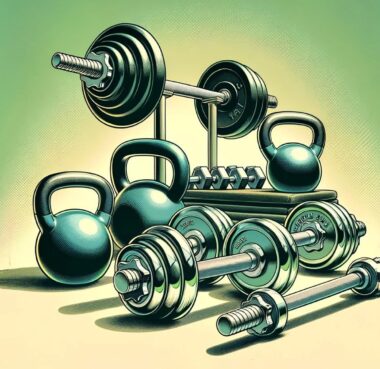
Kettlebell training has gained immense popularity due to its versatility, effectiveness, and the ability to enhance strength and cardiovascular fitness. Choosing the right kettlebell material is essential for achieving your fitness goals. The two most common materials used for kettlebell manufacturing are cast iron and steel. It’s essential to understand the differences and benefits of each material to make an informed decision. Both types of kettlebells offer unique advantages. Cast iron kettlebells are known for their durability and traditional feel, while steel kettlebells provide a compact design with a more ergonomic grip. Evaluating personal preference plays a significant role in selecting the right kettlebell. The right choice ensures comfort during workouts and helps maintain proper form, ultimately increasing the effectiveness of your training while minimizing the risk of injury. In this article, we will explore the benefits of both cast iron and steel kettlebells, their unique characteristics, and how to choose the right type based on your training needs.
Benefits of Cast Iron Kettlebells
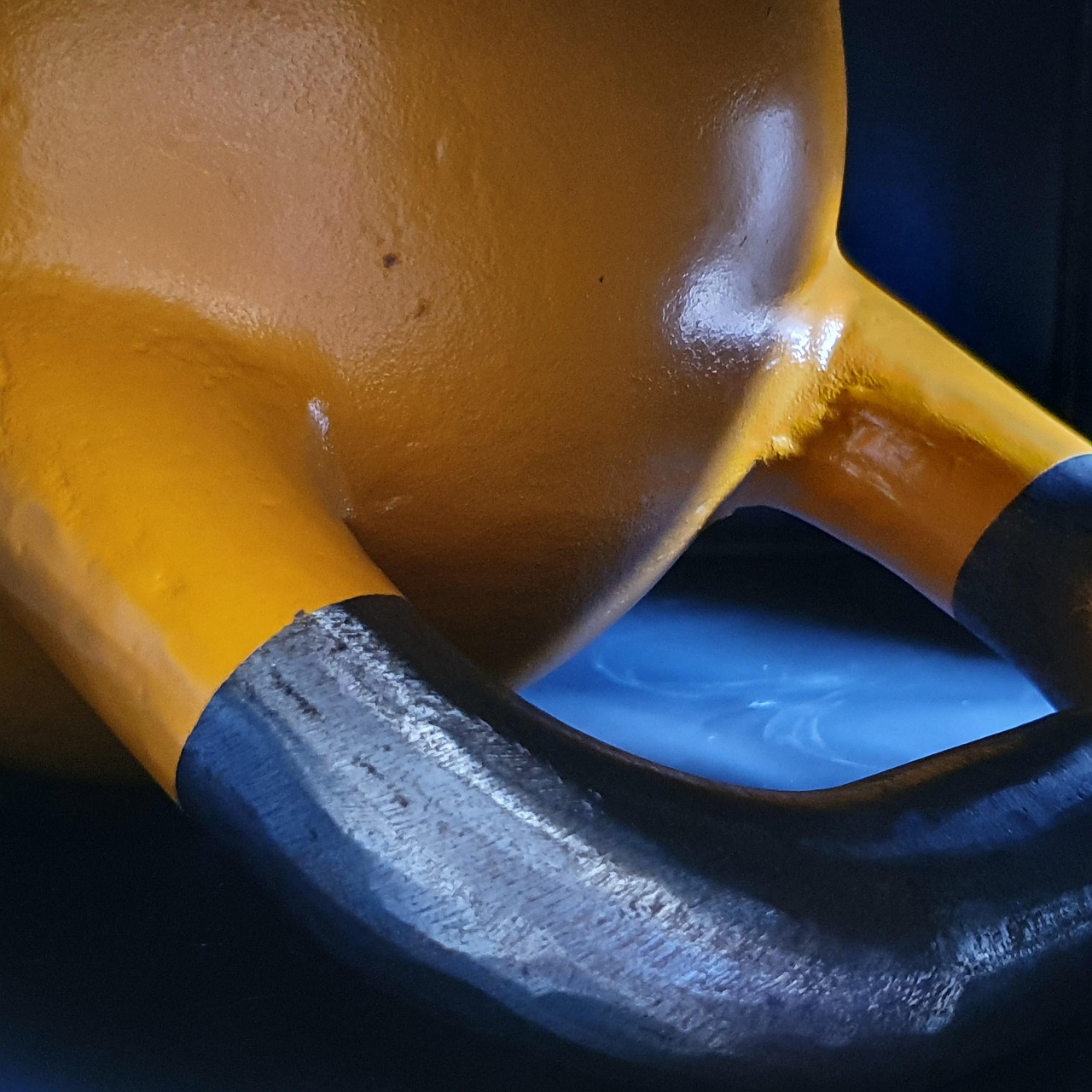
Cast iron kettlebells have been around for decades and are often regarded as the more traditional option for kettlebell training. Their weighted design offers balanced performance during various exercises. One major benefit of using cast iron kettlebells is their durability. They can withstand heavy use and are less likely to chip or crack compared to other materials. Their non-painted finish can also prevent slipping. Another advantage is that cast iron kettlebells typically have a larger grip, which caters to a variety of hand sizes. Moreover, cast iron kettlebells come in different shapes and sizes, allowing users to progressively increase their weights as they advance in strength and skill. Additionally, these kettlebells usually have a more affordable price point compared to steel options. Using cast iron kettlebells helps to develop overall strength and coordination. As well as creating balance and symmetry in movements, they also serve as a great tool for dynamic exercises and HIIT training, enhancing overall fitness levels.
Advantages of Steel Kettlebells
Steel kettlebells have gained traction among fitness enthusiasts due to their unique advantages, making them a favorite for many. One significant benefit is their compact design. Steel kettlebells have a smaller footprint, allowing for better handling during workouts. This feature makes them suitable for high-intensity exercises and space-limited environments. Moreover, steel kettlebells are generally more consistent in weight compared to cast iron alternatives, which can lead to a more precise training experience. The smooth surface and well-designed handle can significantly improve grip during use, adding to the overall training experience. Steel kettlebells also tend to have a more appealing aesthetic, often featuring a sleek, professional appearance that many find motivating. If you are focused on competition-style training, steel kettlebells are often the choice because of their standardized weight and dimensions. Additionally, their durability means they are also resistant to wear and tear. Overall, steel kettlebells provide a modern option for those looking to enhance their kettlebell training sessions and achieve their fitness goals effectively.
Which Kettlebell is Right for Your Goals?
Determining which kettlebell material is best for your training goals involves considering various factors. First, evaluate your experience level. If you’re a beginner, cast iron kettlebells may be more suitable due to their affordability and durable nature. In contrast, if you have training experience and seek to focus on competition or more advanced workouts, steel kettlebells may be a better fit due to their precise weight and compact design. Personal preferences also play a significant role; however, the comfort of grip can significantly influence your workout performance. Consider trying both types of kettlebells to see which feels better for your hands. Additionally, think about the storage spaces you have available in your workout area. If space is limited, you might prefer steel kettlebells for their compactness. Furthermore, establish your budget constraints, as cast iron kettlebells are generally more wallet-friendly. Ultimately, the right kettlebell will depend on a combination of these elements to cater to your specific training needs and preferences.
When selecting kettlebells, other important aspects should not be overlooked. Reviews from fellow fitness enthusiasts can shed light on the pros and cons of different brands. Test out a few styles at your local gym or fitness retailer to gauge which feels best to you. Pay special attention to the handles; they should fit comfortably in your grip. Kettlebell workouts can span different styles, such as swings, presses, and squats; it’s essential that the kettlebell enables proper form throughout. Consider the purpose of your kettlebell training. You may need heavier weights if aiming for strength gains or lighter weights for conditioning workouts. For dynamic movements and explosive exercises, the stability of the kettlebell is crucial. Cast iron kettlebells may offer added stability and control for beginners, while steel kettlebells can enhance proficiency for advanced users. Making a balanced decision involves considering these elements to create a tailored kettlebell experience designed for success.
Caring for Your Kettlebells
Once you’ve decided on the type of kettlebell to buy, maintaining them properly is key to ensuring longevity and optimal performance. Here’s a few tips on how to care for your kettlebells effectively. First, regularly inspect your kettlebells for any signs of wear and tear, particularly on the handles and weights. Use a damp cloth after each workout to wipe away sweat residue and avoid corrosion. For cast iron kettlebells that lack paint, employ a light coating of oil as needed to maintain their finish and prevent rusting. Steel kettlebells may require less maintenance if constructed from rust-resistant materials. Make sure to store them in a cool, dry location, away from moisture that could lead to deterioration. Additionally, avoid dropping them frequently, as this can lead to chips or dents, affecting their performance. Proper care not only prolongs the life of your kettlebells but also ensures safety during your workouts. Investing just a little time in upkeep can lead to immense benefits for your fitness journey.
In conclusion, the choice between cast iron and steel kettlebells primarily revolves around personal preference and fitness goals. Cast iron kettlebells offer durability, affordability, and a more traditional feel, making them popular for many. On the other hand, steel kettlebells are modern, sleek, and favored for their compact design and precise weight distribution. It’s essential to weigh the advantages and disadvantages of each option to find the kettlebell that aligns with your training requirements. Experimenting with different brands and styles enhances your understanding of what works best. Regardless of your choice, kettlebell training can be immensely rewarding, offering varied workout routines to suit any fitness level. Remember, the right equipment lays the foundation for effective training. Take your time in evaluating or trying out different kettlebell styles. Achieving success in kettlebell training is possible with the right knowledge, equipment, and approach. Let’s embrace kettlebell training as a powerful method for strength and fitness, optimized through well-informed choices.
In conclusion, the choice between cast iron and steel kettlebells primarily revolves around personal preference and fitness goals. Cast iron kettlebells offer durability, affordability, and a more traditional feel, making them popular for many. On the other hand, steel kettlebells are modern, sleek, and favored for their compact design and precise weight distribution. It’s essential to weigh the advantages and disadvantages of each option to find the kettlebell that aligns with your training requirements. Experimenting with different brands and styles enhances your understanding of what works best. Regardless of your choice, kettlebell training can be immensely rewarding, offering varied workout routines to suit any fitness level. Remember, the right equipment lays the foundation for effective training. Take your time in evaluating or trying out different kettlebell styles. Achieving success in kettlebell training is possible with the right knowledge, equipment, and approach. Let’s embrace kettlebell training as a powerful method for strength and fitness, optimized through well-informed choices.