
Evening Home Exercises to Boost Relaxation and Sleep Quality
Evening home workouts can significantly aid in enhancing relaxation and sleep quality. After a long day, engaging in specific exercises can help your body unwind, facilitating a smoother transition to sleep. Incorporating gentle stretching and mindfulness movements into your routine is essential in preparing both your body and mind for a restful night. Activities may include Tai Chi or a simple yoga session tailored for low energy. Engaging in these exercises prompts the release of endorphins, which serve as natural mood lifters while promoting relaxation. It’s beneficial to create a routine that signals to your body it’s time to wind down, creating an atmosphere free from electronic distractions. Additionally, adding atmospheric elements such as dim lighting and calming music can enhance your workout experience. It’s advisable to listen to your body and ensure that your exercises are enjoyable, as finding pleasure in workouts contributes to long-term adherence. To start, set a time that works best for you, carve out a quiet space, and have a mat or comfortable area available, allowing for a peaceful environment for your evening routine to unfold.
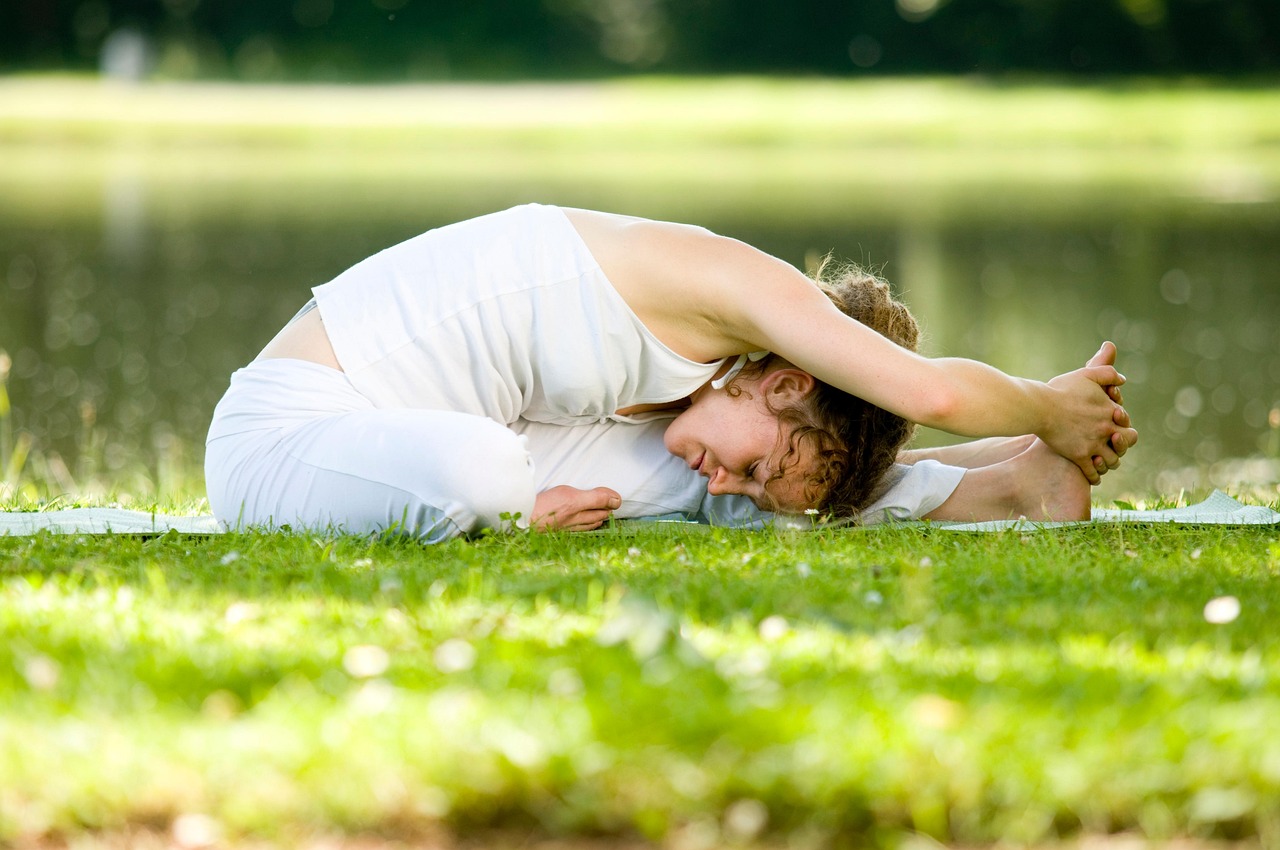
One form of evening exercise that has gained popularity is yoga. Practicing yoga before bedtime comes with numerous benefits for mental health and overall well-being. Certain postures, such as Child’s Pose or Legs-Up-The-Wall Pose, are particularly effective in reducing tension and encouraging relaxation. By focusing on your breath during yoga, you can cultivate mindfulness and enhance the connection between body and mind, assisting in alleviating everyday stressors. Additionally, participating in a guided yoga session can be helpful, especially for beginners. There are many resources available online, including video tutorials and apps that offer instruction for various levels. Ensure the environment is quiet and calming, perhaps lighting a candle or using essential oils known for their relaxation properties, like lavender. Practicing gratitude in your yoga sessions can also increase positive feelings that are conducive to sleep quality. After completing your yoga routine, consider transitioning into a few minutes of meditation or deep breathing exercises to further deepen your state of relaxation. Emphasizing this time for self-care can lead to an overall improved quality of life.
Another great option for evening workouts includes light strength training. Lifting weights not only helps improve physical strength but also contributes to mental clarity and emotional well-being. Rather than using heavy weights, opt for lighter ones with higher repetitions to avoid overexertion. Focus on compound movements, such as squats or push-ups, which engage multiple muscle groups and enhance overall strength. Strength training releases endorphins and other hormones that can elevate your mood, which is crucial in preparing for restful sleep. Aim to include movements that activate different muscles in your body, ensuring a balanced routine. Don’t neglect including core strengthening exercises, as a strong core is fundamental to maintaining overall fitness. A common mistake in strength training is rushing through sets; however, taking your time and focusing on the movements can enhance the workout experience. You might also consider using resistance bands for added variety and versatility while maintaining safety. Once your strength training routine is complete, take time to cool down and incorporate stretching to promote flexibility and aid recovery after your workout.
Mental Health Benefits of Evening Workouts
Incorporating evening workouts into your routine has profound mental health benefits. These activities create an opportunity for self-reflection, a vital component of emotional health. By engaging in physical activity after a busy day, you allow yourself to process the day’s events, leading to better emotional regulation. Movement encourages the release of serotonin, a neurotransmitter that enhances mood, making evening workouts not only physical practices but also emotional ones. Additionally, committing to a workout routine can establish a sense of discipline and accomplishment, positively impacting self-esteem. As you progress, celebrating small victories can boost motivation, reinforcing your desire to maintain the routine. Remember, consistency is key to reaping the full benefits of these workouts. However, it’s crucial to practice self-compassion, especially on days when motivation might wane. Do not hesitate to adjust your routine or engage in lighter exercises on those days. Consider integrating journaling after your workouts to reflect on how you feel, further enhancing emotional awareness. Ultimately, evening workouts can aid in connecting your mental and physical health, leading to an overall improved quality of life.
Consider incorporating a short mindfulness walk in your evening exercise plan. This activity involves walking at an easy pace, focusing on your breath and the surroundings to enhance relaxation. Walking in nature or a quiet park helps you disconnect from daily distractions while calming the mind. Furthermore, being outdoors increases your exposure to natural light, which is beneficial for regulating your sleep-wake cycle. During a mindfulness walk, pay attention to your senses; notice the sound of leaves rustling or the scent of flowers blooming. This practice allows you to engage fully in the present moment, reducing anxiety and enhancing your mood. Ensure you dress appropriately for the weather, which can also affect enjoyment. Setting a gentle intention for your walk can deepen its impact; for example, focusing on letting go of the day’s stresses. Walking can serve as a form of moving meditation, promoting deeper mindfulness and relaxation. Aim to keep walks brief and gentle, ensuring they remain an enjoyable part of your evening routine. This connection with nature and self can enhance the transition into restful sleep.
Creating a Relaxing Space for Evening Workouts
Creating a relaxing space for evening workouts is essential for maximizing their benefits. A calm environment can enhance focus and promote relaxation during your exercises. Begin by selecting a designated workout area free from distractions to support a mindful atmosphere. Ensure this space remains tidy and organized, making it inviting and comfortable for your practice. You can personalize the space with some calming decor, such as plants, soft colors, or inspiring artwork. Moreover, it is beneficial to have proper lighting; consider using dimmable lights or soft lamps to foster a soothing ambiance. Sound can also set the tone for your workout; consider using calming instrumental music or nature sounds in the background. Additionally, laying out a yoga mat or having necessary equipment nearby ensures you can flow through your routine seamlessly. Incorporating aromatherapy, such as diffuser oils, can enhance relaxation. Create a scentscape that promotes calm, using lavender or chamomile essential oil. Finally, respect your space as a sanctuary, making it a regular part of your self-care routine, thereby reinforcing the association between this area and relaxation.
A calming conclusion to your evening workout should include a cool-down routine that promotes relaxation. It is vital to spend a few minutes winding down after physical activity, transitioning your body and mind into a state conducive to sleep. Gentle stretches or restorative poses can aid muscle recovery while releasing tension. Focus on deep breathing, inhaling through your nose and exhaling slowly through your mouth to calm your nervous system. This practice not only helps with physical recovery but also aids in mental clarity, preparing you for restful sleep. Consider lying on your back and taking a few moments to be aware of your breath, which can help reduce racing thoughts. A brief meditation or mindfulness practice can also deepen your relaxation, allowing feelings of gratitude to emerge about your day. Creating a nighttime routine after your workout can reinforce habits that contribute to better mental health. By ensuring consistency and favoring relaxation in your routine, the quality of your sleep can greatly enhance your overall well-being, enriching both your evenings and the following day.