
Full Body Workout with Dumbbells You Can Do at Home
Finding time for the gym might be challenging, but a full-body workout at home using dumbbells can be highly effective. This workout strategy allows you to engage various muscle groups and improve overall strength without stepping out of your house. Dumbbells are versatile and perfect for building muscle, enhancing endurance, and boosting metabolism. Start by choosing the right weight; beginners can opt for lighter weights, while those experienced can go heavier. Incorporate key exercises such as squats, lunges, and rows to target major muscle areas. Additionally, the convenience of working out at home can lead to better adherence and consistency, essential for achieving fitness goals. For best results, blend strength training with cardio. You can do circuit training, integrating resting periods for optimal recovery. Engage in full-body workouts two to three times a week for balanced muscle development. Online resources and fitness apps can provide guidance and keep you motivated. Don’t forget to warm up before your workout and cool down afterward to minimize injury risks. Now, let’s dive into specific exercises you can perform using dumbbells at home effectively.
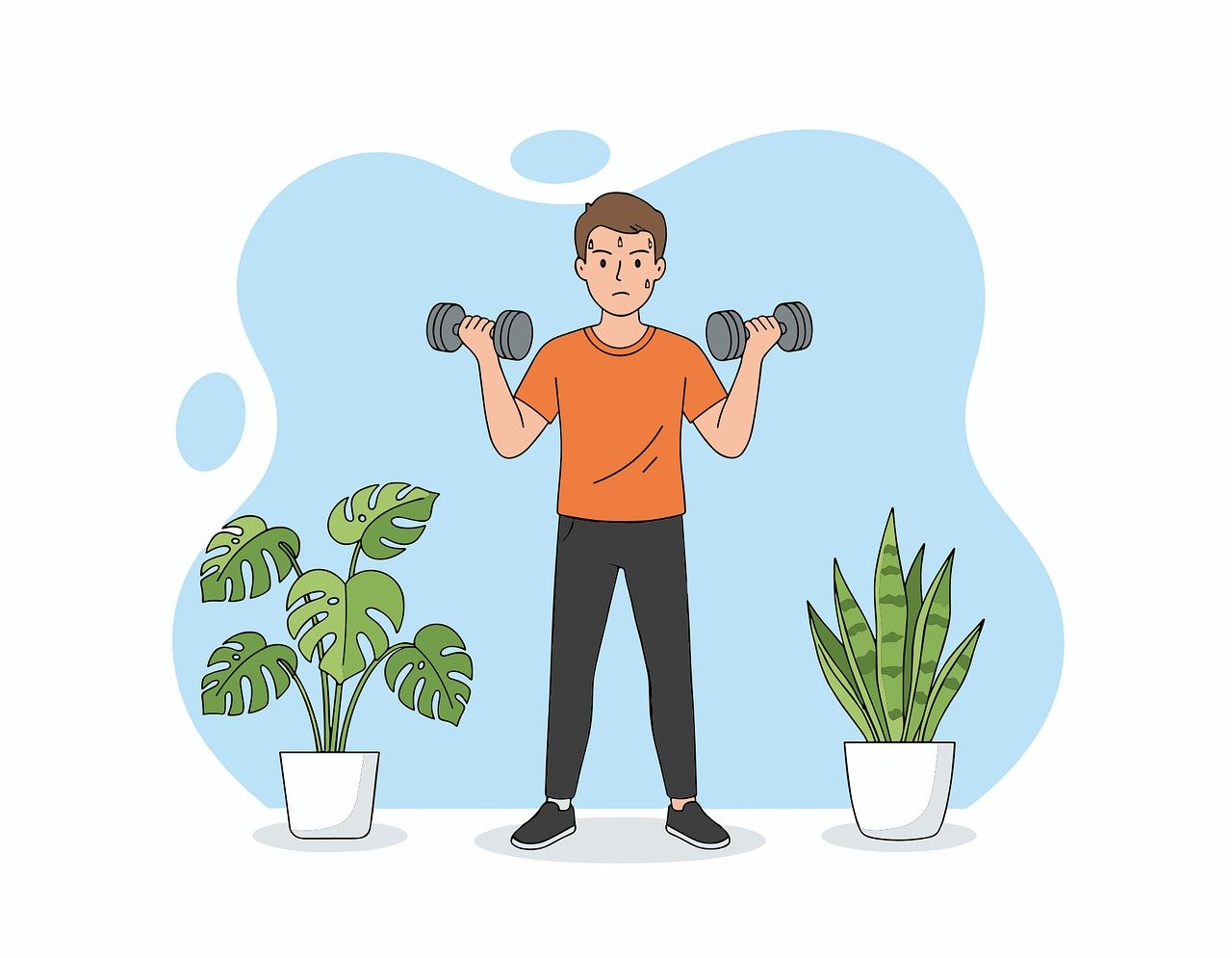
One of the foundational exercises in a full-body dumbbell workout is the squat. The dumbbell squat targets your quadriceps, hamstrings, and glutes effectively. Begin by holding a dumbbell in each hand at your sides or close to your chest, depending on your comfort level. Lower your body as if seating into a chair, keeping your back straight and your knees aligned with your toes. Aim for three sets of ten to twelve repetitions, resting between each set. Another excellent exercise is the dumbbell deadlift. This movement engages the lower back, glutes, and hamstrings simultaneously. Position feet shoulder-width apart while holding dumbbells in front of you. Hinge at the hips while lowering the dumbbells and maintaining a neutral spine. After reaching a slight bend in your knees, return to the starting position. Lastly, do the shoulder press while standing or seated; it targets your shoulders and triceps. Lifting dumbbells overhead requires stability and control, so focus on your form. Completing these exercises will contribute significantly to overall strength and conditioning, perfect for anyone looking to enhance their fitness performance.
Incorporating Upper Body Movements
Incorporating upper body movements into your workout routine will enhance muscle strength and endurance. Dumbbell bench press is an effective exercise focused on the chest, triceps, and shoulders. Use a flat surface or the floor if you lack a bench. Holding one dumbbell in each hand, press them upwards, extending your arms fully. Complete three sets of eight to ten repetitions for maximum benefits. Another essential upper body movement is the bent-over row, which strengthens your back, biceps, and shoulders. While standing, hinge at the hips and maintain a slight bend in your knees. Pull the dumbbells up towards your waist, squeezing your shoulder blades together. Aim for three sets of ten to twelve repetitions. Don’t overlook the benefits of the overhead triceps extension. Grab a single dumbbell with both hands, raise it overhead, and bend your elbows slowly. This exercise promotes triceps development and adds visual definition. By integrating these upper body movements, you not only build muscle but also improve overall functionality and performance in everyday activities, ensuring you get the most value from your workouts.
Core stability and strength should not be neglected in your home workout plan. Focusing on core exercises alongside dumbbell movements enhances overall balance and performance. The dumbbell Russian twist is a simple yet effective exercise to engage your entire core. Sit on the floor with your knees bent, hold a dumbbell with both hands, and lean back slightly. Rotate your torso from side to side while keeping your core tight. Aim for three sets of fifteen repetitions on each side. To complement this, perform the dumbbell plank row. Start in a plank position with a dumbbell in each hand. Row one dumbbell towards your hip while stabilizing your body. Alternate sides and aim for three sets of eight to ten repetitions. Another simple yet powerful movement is the dumbbell side bend. Stand up straight and hold a dumbbell in one hand, leaning to the side. This exercise strengthens your obliques. By integrating these integral core movements into your routine, you’ll develop a strong foundation that enhances your overall strength and stability, which translates into better performance in various physical activities.
Adding Cardio Elements
Incorporating cardio elements into your dumbbell workout can effectively boost your heart rate and increase calorie burn. For instance, you can spice up your routine by adding dumbbell swings. Hold a dumbbell with two hands, hinge at your hips, and then swing the dumbbell between your legs before forcefully swinging it up to shoulder height. This exercise engages your glutes, hamstrings, and shoulders while providing a cardiovascular workout. Aim for three sets of fifteen swings. Another excellent cardio movement is the dumbbell burpee. Begin standing upright, squat down, and place the dumbbells on the floor while kicking your feet back into a plank position. Perform a push-up, jump back to your squat, and then explosively rise while lifting the dumbbells overhead for a complete movement. Three sets of five to ten repetitions can be quite challenging and effective. Don’t forget to incorporate high knees or jumping jacks as warm-up exercises or active recovery between sets. Adding these cardio elements creates a higher intensity workout, promoting better calorie expenditure and improving your overall cardiovascular health.
Nutrition plays an essential role in maximizing the benefits of your home workouts. To fuel your body before or after training, opt for nutrient-dense snacks. Consider protein-rich options, such as Greek yogurt, eggs, or a protein shake, which aids muscle recovery and growth. Focus on whole foods like fruits, vegetables, nuts, and whole grains for sustained energy. Stay hydrated throughout your workouts; drinking water is crucial for optimal performance. Dehydration can lead to fatigue and decreased focus, so have a water bottle nearby. After intense workouts, a balanced meal with protein, carbohydrates, and healthy fats can help speed up your recovery. Ideal examples include grilled chicken with quinoa and steamed veggies or a salmon salad with avocado. Additionally, keep an eye on your portion sizes, ensuring you’re consuming enough calories to support your activity levels without overeating. Implementing these nutritional strategies alongside your dumbbell workouts at home will significantly enhance your results and support your long-term fitness goals effectively while contributing to your general health and wellbeing.
Monitoring Progress and Setting Goals
Tracking your progress and setting achievable goals are vital components of any fitness regimen. Maintaining a workout journal or using a fitness app can help you log your exercises, sets, and weights over time. Documenting these details allows you to spot improvements and make necessary adjustments to your routine as you progress. Setting realistic short-term goals can also help maintain motivation throughout your fitness journey. For example, aim to add an extra rep to your sets each week or gradually increase the weight of your dumbbells. Having a longer-term vision, such as training for a specific event or achieving a personal best, can also guide your workouts and keep you focused. Additionally, make adjustments to your routines periodically to prevent plateaus and promote continuous improvement. Evaluating your goals every month or so can provide new insights into your progress. Celebrate your achievements, no matter how small, as these milestones inspire you to continue working toward your objectives. By consistently monitoring your progress, you will stay committed and achieve lasting success in your home workouts.
Lastly, remember to maintain a positive mindset throughout your workout journey. It is essential to embrace the challenges that come with training while also acknowledging your successes. Surround yourself with a supportive environment and consider joining online communities or fitness groups to boost your motivation. Sharing your experiences with others who share similar interests can provide encouragement and accountability. Engaging in new routines and workouts can also help keep the excitement alive. Consider experimenting with different dumbbell exercises or partnering with a friend for group workouts. Consistency is key; committing to your routine during the process is crucial. Focus on enjoying your workouts, rather than merely seeing them as a chore. Practice mindfulness and reflect on your growth and accomplishments. Reaffirming your progress can lead to a healthier emotional relationship with exercise. Ultimately, embracing a positive outlook will help you cultivate resilience against setbacks and plateaus, fueling your drive to succeed. By focusing on building this mindset, you will find yourself more adaptable and receptive to the ongoing learning journey of fitness.