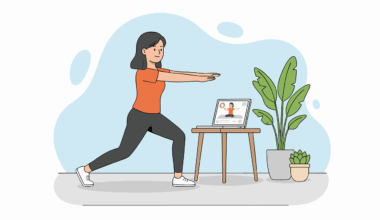

Group Fitness Classes for Social Support and Stress Reduction in Seniors
Group fitness classes offer an excellent opportunity for seniors to engage in physical activity while also benefiting from social support. These classes promote physical health by enhancing flexibility, strength, and balance, which are crucial for maintaining mobility as individuals age. Moreover, participation in group activities significantly reduces feelings of loneliness and isolation that many seniors face. Engaging in a structured workout routine also helps to develop a sense of community among participants. The social interaction during these classes fosters friendships and encourages continual participation, which is critical for long-term health benefits. Many studies confirm that physical activity, combined with social support, can greatly minimize symptoms of stress and anxiety. As stress accumulation can negatively impact overall health, such classes serve as a powerful tool for combating the effects of aging. Regular participation can create a more fulfilling lifestyle, and contribute to enhanced mental well-being. Overall, joining a group fitness class is an effective strategy for seniors aiming to improve their quality of life while also managing stress levels.
Beyond physical fitness, group classes provide an avenue for seniors to learn new skills and engage their minds. Learning new fitness routines or dance styles can be particularly stimulating and beneficial. The cognitive engagement that arises from following instructors and remembering sequences is essential for brain health, especially as one ages. Creative movement in dance classes promotes emotional expression and helps participants find joy through music and exercise. Even more, instructors often tailor classes to focus on the unique needs of older adults, ensuring that everyone can safely participate while still being challenged. Incorporating light-hearted elements into workouts makes the sessions enjoyable, enhancing the overall experience. Furthermore, these classes may involve discussions about health-related topics, providing participants valuable information on nutrition, hydration, and mental wellness. Networking opportunities arise, facilitating the exchange of personal experiences and tips on managing stress and health concerns. In essence, the cognitive stimulation complemented by social interactions enhances psychological resilience and mitigates feelings of anxiety, proving that engaging in such classes is not only physically beneficial but also mentally enriching.
Building a Supportive Environment
A supportive environment is key for seniors participating in fitness classes, ensuring they feel safe and comfortable. The presence of a qualified instructor allows for tailored exercises suited for diverse ability levels. This inclusivity ensures no senior feels left out or incapable. In addition, encouraging positive feedback and recognition from peers can significantly uplift morale. Social support combined with fitness promotes an overall sense of belonging among participants. Establishing connections among seniors further empowers them to achieve personal goals. When seniors cheer each other on during workouts, it fosters a collaborative spirit, enhancing enjoyment. This community-based approach to fitness yields profound benefits beyond physical health. Participants often feel more motivated to attend classes regularly when they value the social components. The combined efforts of individuals in a group result in shared achievement, often leading to lifelong friendships. For many seniors, this supportive environment is a source of joy, laughter, and accountability. This camaraderie plays a vital role in promoting mental well-being and reducing stress by creating a strong sense of community.
Elderly individuals vary widely in their fitness levels, which is why group classes designed specifically for them are essential. These classes allow participants to work at their own pace, building confidence in their abilities over time. Instructors trained to assist older adults can implement necessary modifications to ensure everyone exercises safely. As seniors gain physical strength and improve mobility, they also build self-esteem, contributing to a reinforced belief in their own abilities. This psychological boost is crucial in managing life’s stresses, particularly in a society often focused on youth and vitality. Seniors frequently express appreciation for tailored workouts that respect their limits. The shared experience of bemusement during challenging exercises strengthens bonds in the group. As participants witness each other’s progression, camaraderie grows, underlining the importance of support during the aging process. Thus, not only do fitness classes contribute to improved health, but they also cultivate a sense of achievement and fulfillment. Emphasizing capability over limitation creates a vibrant atmosphere, captivating participants and encouraging continuous involvement.
Exploring Different Class Options
The variety of offerings in senior group fitness classes provides something for everyone, enabling individuals to find what resonates most. Options typically include yoga, Pilates, Zumba, and water aerobics, all designed to elevate moods and enhance physical fitness. Each class type focuses on different areas of wellness; for instance, yoga promotes flexibility and relaxation, while Zumba provides cardiovascular workouts with rhythm and joy. Water aerobics offers a low-impact option with buoyancy support, making it accessible for those with joint concerns. Diverse activities keep participants engaged and excited, allowing them to explore new interests. Choosing classes that spark enthusiasm is vital for maintaining long-term commitment and involvement. Instructors skilled in these various disciplines ensure that participants stay challenged without feeling overwhelmed. The abundance of class options allows participants to visit different sessions over their membership, enriching their overall experience. By encouraging variety, fitness classes can stoke excitement in participants, leading to sustained stress reduction. Ultimately, the diversity within group classes ensures every senior has an opportunity to find joy and community in physical activity.
Nutrition plays an influential role in stress management and overall well-being, which can further enhance the benefits of group fitness classes. Paired with regular physical activity, proper nutrition provides the energy and nutrients necessary for optimal functioning. Seniors attending fitness classes are often encouraged to adopt healthier dietary habits that coincide with their fitness routines. Instructors might share tips on easy meal preparation or suggest snacks that support hydration and provide sustained energy. A sense of balance between exercise and nutrition cultivates a holistic approach to health. Healthy eating habits encourage seniors to feel better emotionally, supporting less stress overall. The communal aspect extends beyond the gym; participants can share recipes, discuss meal plans, and explore new healthy choices. This integrated approach serves dual purposes: enhancing physical health and nurturing social bonds. Sharing healthy culinary experiences not only opens pathways for more profound interconnections but also reinforces the importance of wellness, creating an empowering community. Through a collective commitment to nutrition and fitness, participants are significantly more likely to manage their stress effectively and improve their overall quality of life.
Long-term Benefits on Stress Reduction
The long-term benefits of participating in group fitness classes extend well beyond physical improvements. Studies suggest those who participate consistently experience significant reductions in stress and anxiety levels over time. As members repeatedly engage in these classes, they form connections that help maintain accountability for attendance and healthy lifestyle choices. Seniors often report increased energy levels, improved mood, and enhanced cognitive function attributed to both exercise and social interaction. This accumulation of physical benefits leads to the development of resilience against stress, further promoting a supportive environment. As individuals witness their progress, a profound sense of accomplishment emerges. Setting and reaching fitness goals empowers participants to tackle challenges in other areas of life. Group classes provide a structured routine, instilling confidence and predictability amidst changes that come with aging. Furthermore, enjoying moments of camaraderie during these interactions creates a lively social scene, which is profoundly beneficial for combating loneliness. Regular involvement in group classes becomes an integral part of the participants’ lives, instilling a proactive approach to aging and significantly enhancing overall quality of life.
In conclusion, the impact of group fitness classes on stress management in seniors is profound and multifaceted. These classes not only serve as a wonderful outlet for physical activity, but equally promote social bonding and psychological resilience. Engaging in a fitness community cultivates purpose and belonging, which are necessary for seniors coping with stress from aging. Seniors are more likely to achieve improvements in physical health when they incorporate social elements into their routines. Enhanced mental health outcomes result from consistent participation, which mitigates feelings of isolation and stress. The exposure to various fitness modalities allows seniors to diversify their experiences, keeping engagement levels high. As they navigate new challenges accompanied by aging, the accumulative benefits foster greater mental fortitude. Additionally, introducing nutritional education supplements these benefits, creating a well-rounded approach to wellness. Ultimately, group fitness classes symbolize a promising avenue for enhancing the quality of life for seniors, equipping them with the tools they need to manage stress effectively. Given the myriad of advantages provided, encouraging participation in these classes represents a significant step towards improving the well-being of our aging population.