
How Different Skateboarding Surfaces Affect Your Safety Gear Choices
When you consider skateboarding, it is crucial to understand how various surfaces impact your safety gear selection. Different terrains like asphalt, concrete, or wood require specific equipment. Abrasive surfaces can wear down skating gear quickly, while smoother surfaces may prioritize flexibility for tricks. The type of surfacing dictates the kind of gear you need. For instance, when skating on rough terrains, protective pads become essential to guard against abrasions and impacts. Helmet choices also vary; urban environments often lead to more serious falls, necessitating well-padded, certified models for added safety. Choosing safety gear tailored to your skating surface can prevent injuries and enhance performance. Investing in the right equipment saves money in the long term as it holds up well against wear. Remember to consider the nuances of your skating location: a skate park will differ from street skating. Focus on features that can withstand the conditions you face daily. Skaters should evaluate their equipment regularly to adapt to changing conditions. Research materials that can handle those specific surfaces while keeping comfort and functionality at the forefront.
Different Safety Gear for Various Surfaces
The choice of safety gear for skateboarding varies significantly depending on the skating surface characteristics. For instance, traditional smooth concrete surfaces are more forgiving and allow for different protective gear than loose gravel or rough asphalt. On smoother surfaces, lighter protective gear such as wrist guards may suffice compared to harder terrains. However, when skateboarding on bumpy or uneven surfaces, substantial guard capabilities are required to ensure that skaters can absorb impacts. Knee pads and elbow pads should be on the priority list as they can shield against scrapes and falls. Helmets designed for skateboarding should always meet safety standards because falls happen unexpectedly. Furthermore, specialized designs are available that enhance ventilation for better airflow. Some pads include additional features such as moisture-wicking fabrics that keep skaters dry and comfortable. Align your selection based on the potential hazards of your typical surroundings. Skaters can enhance their safety and even tweak their performance by choosing gear suited specifically to their unique surfaces. Make your safety gear choices with a knowledgeable mindset.
Skateboarding in urban environments presents unique challenges and specific gear needs due to different surfaces. Streets, sidewalks, and skateparks often have a variety of ground textures that can affect your performance and require varied protective equipment. In areas with bricks or cobblestones, wearing ankle supports and reinforced shoes is critical to withstand the challenges of those uneven surfaces. The risk of twisting an ankle increases dramatically without sturdy footwear. In the case of aggressive street skating, remember to prioritize hard-shell pads that provide substantial protection against impacts. Particularly, the skateboarder’s body will encounter more obstacles on city streets, making advanced gear essential. The most successful skaters prioritize safety gear as much as style; visibility through reflective gear offers extra protection in urban settings where visibility is low. Also, maintaining your board and wheels is necessary for adapting to urban terrains, so don’t overlook regular checks. Ensure your gear meets specific certifications and standards to maximize your safety on the streets. Each city offers its uniquely challenging terrain; being prepared with the right gear allows you to navigate safely.
Choosing Gear for Skateparks
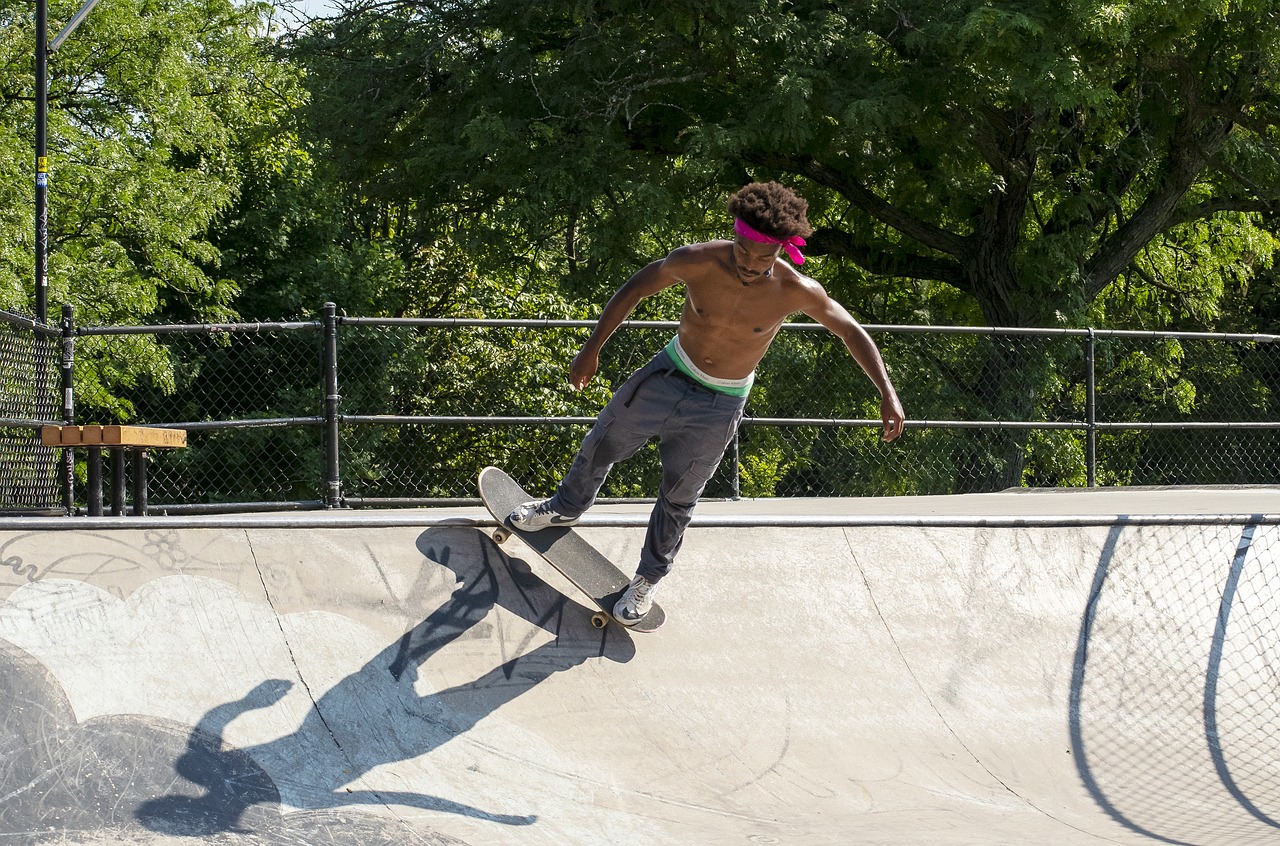
Skateparks present a more controlled environment for skaters, with various surfaces and obstacles. However, safety remains key. The ramps, grind rails, and jumps found in skateparks require a different set of protective gear than street skating. Skaters should consider investing in padded shorts, helmets with face guards, and high-impact knee or elbow pads to protect against injuries during tricks. As skateparks typically have smoother surfaces, you may find that lighter gear suffices, but it’s still vital to have robust equipment due to the high occurrence of falls. Helments should fit properly and have proper ventilation to ensure comfort during long sessions. Furthermore, mesh guards can enhance breathability. Make sure the goggles don’t fog up while you skate; you need clear vision to perform tricks safely. Always double-check the integrity of your gear before hitting the jumps. Skateparks usually have ample areas to practice and refine skills, signifying that your safety should never take a backseat. To fully enjoy skating and ensure longevity in the sport, selecting fitting safety gear is essential regardless of the environment.
The importance of maintaining your safety gear cannot be overstated. Regularly inspect your helmets and pads for signs of wear or damage to ensure optimal performance. A helmet with cracked shells or worn-out pads can do more harm than good during a fall. Fertilizing your equipment involves cleaning to remove dirt and grime, as buildup can compromise its integrity. It’s particularly vital to keep your gear functional since impacts may occur unexpectedly. Take the time to research the life spans of your safety gear and replace it accordingly to maintain its protective capabilities. Budget for gear replacement annually, as selected surfaces can wear down materials at different rates. Always prioritize quality over price to ensure the maximum level of protection. Pay attention to brands known for quality materials and durable safety gear. Specialized retailers can provide you with thoughtful equipment tailored to the unique demands of skateboarding. Furthermore, understand the local skating groups in your area to receive recommendations on trusted equipment. A proactive approach to gear maintenance and selection can enhance longevity and your overall safety.
Customizing Your Safety Gear
Customization can play a significant role in the effectiveness and overall enjoyment of your skating experience. Personalizing your gear such as pads, helmets, and apparel can lead to improved comfort. Skaters often prefer to have guards adjusted for their specific needs and styles. Custom fit means better protection against falls or impacts. It may also be possible to find professional personalization services offering custom designs that reflect an individual’s style. Furthermore, consider grip tape and its placement; customizing it can improve board control during tricks. It can also enhance your traction on various surfaces, allowing you to enjoy the sport more. Some skaters even integrate their preferred colors or designs into their safety gear to show individuality while maintaining safety. A focus on aesthetics, combined with functionality, ultimately helps build confidence when performing tricks. Engage with local skate communities to learn more about customizing options available; other skaters can be invaluable resources. Emphasizing personal expression while enjoying meant to elevate your skating and unlock exciting and unique experiences.
Finally, delve deeper into the connection between surface types and your safety gear preferences. Transitioning between surfaces requires adaptive skills that are supported by reliable protective equipment. Many skaters may find themselves regularly changing locations and surfaces, often leading to misunderstandings about safety regulations applicable to each. While most styles of protective gear are versatile, investing in specialized options aligned with corresponding surfaces is advantageous. Do research on equipment trends and developments tailored to evolving surfaces as technology progresses; this ensures you’re ahead of the game. Your safety gear is as important as your skateboard itself. Stay informed about the latest innovations in safety technology to safeguard against injuries more effectively. By educating yourself about gear options related to different surfaces, you can enhance your skating experience significantly. Effective use of this knowledge translates into better safety. Choose wisely, invest in quality gear, and stay updated on current trends. Ultimately, this will create a solid foundation for your skill progression, fostering a safer and more enjoyable skateboarding journey.