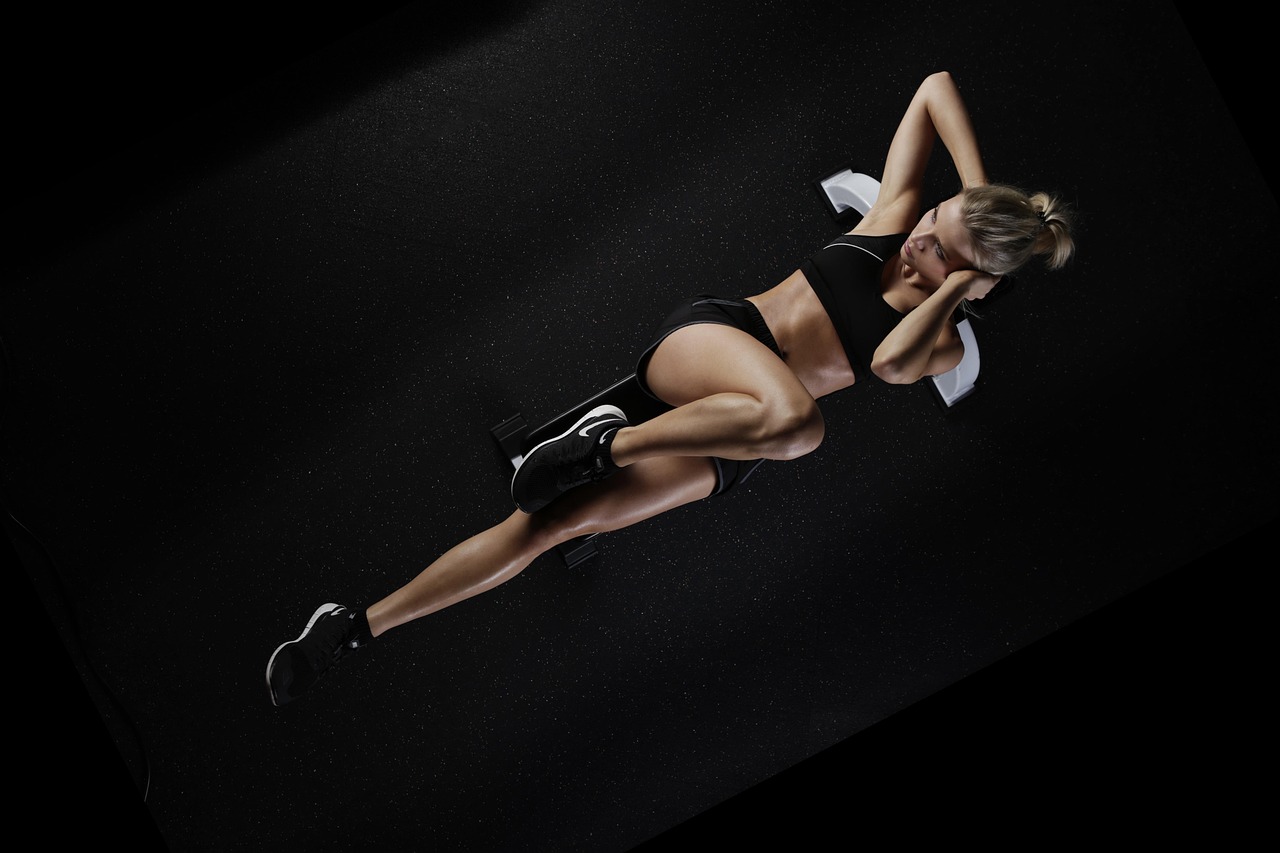

How to Create a Personalized Figure Competition Training Schedule
Creating a successful figure competition training schedule is crucial for aspiring competitors. To start, assess your athletic ability and level of experience. This includes evaluating your strengths and weaknesses in areas like strength training, cardio, and flexibility. A well-rounded training plan should incorporate resistance exercises aimed at building muscle definition and promoting fat loss. Consider including compound movements such as squats, deadlifts, and bench presses. These exercises engage multiple muscle groups and can improve performance overall. It’s beneficial to integrate cardio sessions that vary in intensity to enhance endurance. Additionally, prioritize recovery days to allow muscles to repair. Importantly, focus on nutrition as it plays a pivotal role in achieving your competition physique. A diet rich in lean proteins, healthy fats, and essential carbohydrates will fuel your training. Tracking progress is equally essential; use a journal to record workouts, monitor body changes, and adjust your regimen. Lastly, seek guidance from coaches or seasoned competitors. They can provide insights, motivation, and accountability throughout your training journey, helping you stay focused and committed to your goals in preparation for the competition.
Understanding Your Body’s Needs
Every competitor’s body is unique, and understanding your specific needs is critical when crafting a training schedule. Consider factors like age, fitness level, and body composition. These elements impact how your body responds to training. Beginning with a fitness assessment helps in identifying where to start. Perform exercises that test your strength, endurance, and flexibility. Keep in mind how your body recovers from different workouts; tracking recovery times will aid in scheduling appropriate intensity levels. Exercise selection should reflect your body’s current capabilities while also challenging you. Gradually increase weights and complexities in your routine. Listening to your body is vital; if you’re feeling fatigued, adjusting your schedule could prevent burnout. Incorporate strength training sessions focusing on your core, legs, and upper body to ensure balanced development. Cardio workouts should also be tailored to your needs; varying the type and intensity will yield better results over time. Lastly, fuel your body adequately throughout this process, as nutrition significantly influences performance and recovery. Pay attention to how your body reacts to different foods and how they fuel your workout sessions.
Establishing a clear timeline leading up to your figure competition is essential. Consider how many weeks you have until the event, which will dictate your preparation phase length. This timeline should encompass phases, including building muscle, cutting fat, and ultimately peaking for competition day. A typical schedule might involve 12 to 16 weeks, allowing sufficient time for body adjustment and progress monitoring. Initially, focus on building muscle through strength training, gradually increasing weight and volume over the first 4-8 weeks. Follow this phase with a cutting phase focused on reducing body fat while maintaining muscle definition. During this transition, adjust calories and macronutrients accordingly. Peak week should allow for modifications that bring out the best appearance on competition day; this includes carb loading and strategic hydration practices. Maintain a close eye on your progress throughout each phase using regular photos, measurements, and body composition analysis. These metrics guide necessary adjustments in training and nutrition, crucial for achieving your targets. Additionally, addressing psychological preparedness for competition week is equally important to maintain composure and confidence.
Integrating Nutrition into Your Schedule
Nutrition is one of the most important aspects of preparing for a figure competition. Ensuring a balanced intake of macronutrients can make a significant difference. Focus on consuming adequate proteins, which are vital for muscle repair and growth. Sources like chicken, fish, lentils, and quinoa should be staples in your diet. Healthy fats are also essential as they aid in hormone production; these can be sourced from avocados, nuts, and olive oil. In addition to macro consideration, timing meals is key; aim to spread protein intake evenly to help maintain muscle synthesis throughout the day. Complex carbohydrates are crucial during intense training; they provide necessary energy levels. Monitor your calorie intake and adjust as your training intensifies. Tracking your nutrient intake can be supported using various apps, which can help understand your habits better. Finally, hydration is equally important; ensure you’re consuming enough water daily. Fluid balance can impact your performance and recovery, making it essential to drink water pre, during, and post-exercise. Exploring options like electrolyte-rich drinks during intense sessions can enhance hydration levels and optimize performance during critical workouts.
Setting specific goals is an essential part of any figure competition training schedule. Goals provide direction and motivation during rigorous training phases. Start by determining your primary objectives, focusing on aspects such as muscle gain versus fat loss. Break these down into smaller, manageable weekly or monthly goals, making adjustments as necessary. Keeping these goals visual through journal entries, vision boards, or progress charts can help keep you accountable. Consider including both performance-related goals, such as achieving a certain lift, alongside appearance-focused goals, like body measurements. Tracking these brings clarity to your progress. Additionally, engaging with community support groups can immensely boost motivation. Surround yourself with passionate individuals who share similar goals, which often encourage more effort in preparation and training consistency. Don’t forget to celebrate small victories along the way; recognition of progress greatly contributes to overall morale. Participating in figure competitions can be challenging, but maintaining perspective and having fun through fitness should always remain a priority. Embrace the journey of self-improvement, and it will reflect not only during competitions but throughout your life and fitness endeavors.
Adapting Your Schedule as Needed
Flexibility in your training schedule is vital for long-term success in figure competitions. Life events, work commitments, and personal needs can influence your planned activities. Therefore, anticipate these interruptions and plan days for rest or recovery accordingly. This ensures you’re not overloaded with stress; sometimes, a step back can provide necessary rejuvenation. If certain circumstances arise, be ready to adjust your workout intensity and variables. For example, if you are feeling fatigued, consider incorporating lighter sessions focused on mobility or cardio instead of high-intensity lifting. It is also wise to substitute exercises that target the same muscle groups but with different variations to prevent monotony. Listen to your body and adjust your routine based on how it feels. Additionally, integrating cross-training activities can provide variety and keep the training process fresh while still targeting competition standards. Engaging in activities like yoga or Pilates can enhance flexibility—crucial for figure presentation. Continue assessing your physical and mental well-being; this leads to making informed decisions and maintaining overall balance during your journey to the stage.
The final phase of your figure competition preparation involves fine-tuning your look. This includes posing practice, which cannot be overlooked; presenting your physique effectively is as crucial as the training itself. Schedule regular sessions to master your poses and transitions, as confidence in presenting will enhance your overall performance. Record yourself to identify areas of improvement; analyzing your footage can provide insights into posing dynamics. Additionally, work on stage presence and facial expressions to convey discipline and passion. Equally important is focusing on presenting an optimal physique; assess physique details like symmetry, balance, and overall conditioning. Many competitors choose to work with specialized coaches for posing guidance. Incorporate feedback from peers and trainers to fine-tune your presentation style. Nutrition should also reflect in this phase; plan your meals to peak at the performance. Alongside this, assess any specific strategies regarding spray tans or makeup enhancing your appearance on stage. Ultimately, all preparation and hard work culminate in this phase; embrace the stage with confidence knowing you’ve prepared thoroughly, ensuring you shine during competition day and leave a lasting impression.
Conclusion: The Journey Ahead
As you embark on your figure competition journey, remember that commitment and consistency are paramount. Each step of the training schedule plays a pivotal role in preparing you for the stage. The lessons learned throughout this process contribute to personal growth and self-improvement. Embrace every aspect of training, including the dietary changes, physical challenges, and the camaraderie found within the fitness community. Recognizing the opportunity to enhance both physical and mental aspects of your life presents a unique adventure for growth. Maintaining a balanced perspective regarding competition outcomes is equally important; focus on self-improvement rather than solely on winning. Utilize social platforms to connect with fellow competitors, share experiences, and seek advice when needed. Celebrate your progress, no matter how small, understanding that every achievement counts. Stay adaptable and be receptive to feedback from coaches and peers; this helps refine your approach moving forward. Finally, cherish the memories made during the preparation and experience the thrill of competition day fully. Remember, the real victory lies in the journey, discipline, and determination shown throughout your preparation phase.