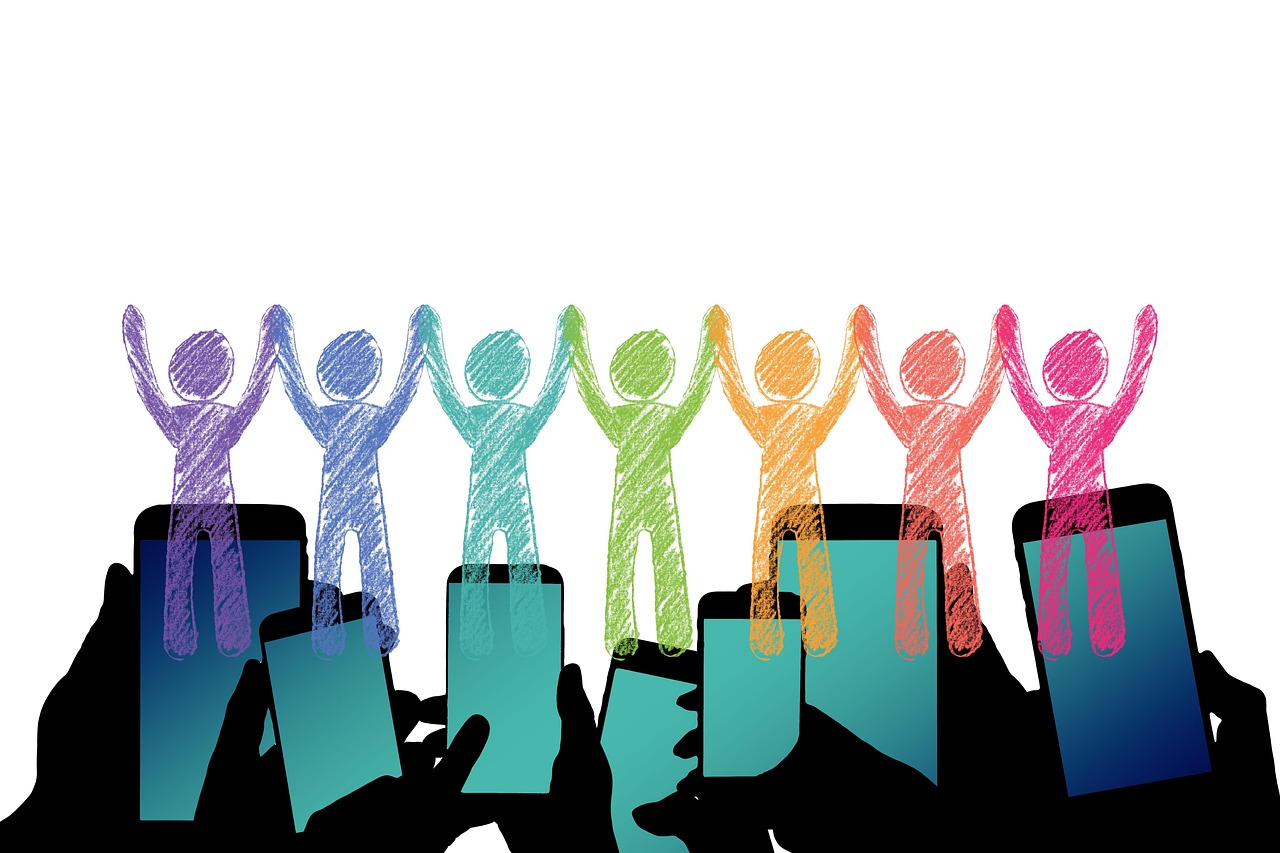

Integrating Social Media with Group Fitness Apps for Better Engagement
In today’s fast-paced world, the demand for fitness apps has surged dramatically, especially group fitness apps that foster community engagement. Users crave social interaction, motivation, and shared experiences during their fitness journeys. Combining social media with these apps has the potential to enhance user engagement and retention rates. This integration could allow users to share their workout results, discuss fitness goals, and encourage friends to join them. By leveraging platforms like Instagram or Facebook, group fitness apps can easily showcase achievements, create fitness challenges, and motivate individuals to reach their targets collaboratively. Furthermore, users can share their journeys to inspire others, effectively building a supportive community. Allowing workouts to be shared in real-time can generate healthy competition, which can boost participation. Additionally, utilizing the immediacy of social media allows for more frequent communication, making users feel more connected to their fitness communities. By actively involving users, fitness apps can contribute to long-term fitness habits, ultimately enhancing user satisfaction. This symbiotic relationship between social media and group fitness apps forms a powerful duo that can potentially change the fitness landscape significantly.
The seamless integration of social media features within group fitness apps can significantly elevate user experiences. Users are often motivated by social interactions; thus, features such as live streaming classes or sharing moments on popular platforms can serve as key elements in user engagement. For instance, live streaming classes allow participants to connect from anywhere, motivating them to join regardless of location. Integrating a sharing feature facilitates healthy competition, allowing users to challenge friends or share progress on their social networks. Moreover, these features can elicit positive reinforcement, motivating users to continue and progress in their fitness endeavors. Innovations such as virtual badges or achievements that can be shared on social media profiles strengthen community ties and user accountability. Group fitness apps can also incorporate user-generated content, promoting transparency and authenticity within their communities. When users share their successes, workouts, or personal challenges, it provides relatable content, values community participation, and encourages ongoing engagement. By fostering an inclusive and supportive environment, users are likely to feel more connected and committed to their fitness journey, creating a thriving and active fitness community.
Building Community Through Social Sharing
Community plays an integral role in group fitness apps, as it enhances accountability and promotes user engagement. Effectively integrating social sharing features can help forge deeper connections among users. For example, enabling users to create groups where they can motivate each other or share tips fosters a sense of belonging. Users can also post their fitness achievements or share workout routines, uplifting others and encouraging them to strive for their fitness goals. Besides, when group challenges are introduced, individuals may participate more enthusiastically, reflecting their commitment through collective accomplishments. Virtual badges and trophies promote competition, making individuals more likely to push their limits. Therefore, when users see their friends achieving goals or participating, they are motivated to do the same. This creates an upward cycle of motivation and positivity, driving up user engagement and retention rates. Also, creating a leaderboard or progress tracker can further enhance motivation as users track their improvement against friends. Social sharing not only fosters community but also adds an element of fun that can turn arduous fitness tasks into rewarding experiences.
Additionally, integration with social media can facilitate valuable feedback in group fitness apps. User feedback is crucial for app developers seeking constant improvement. By encouraging users to leave comments or reviews directly on social platforms, group fitness apps can harness this data to make enhancements tailored to user needs. Users may appreciate when fitness apps prioritize their preferences, leading to higher satisfaction levels and loyalty. Moreover, social media platforms can act as an external marketing channel for apps. When users share their experiences, they inadvertently promote the app to a broader audience. This organic reach can significantly assist in growing the user base, drawing new individuals into the community. Social media can provide insights into trends or popular workout types, allowing developers to tweak offerings accordingly. Utilizing analytics from these interactions can ensure that group fitness apps stay relevant and resonate with their audience. Therefore, understanding user feedback through social platforms proves essential for developers aiming to sustain a captivating and competitive product in the ever-evolving fitness market.
Enhancing User Retention with a Social Element
One critical aspect of the success of group fitness apps is user retention, and integrating social media can effectively address this need. Users often abandon apps when they feel isolated or uninspired; social media elements can combat this issue by maintaining engagement levels. Notifications about friends joining challenges or sharing workout accomplishments can encourage users to continue their fitness endeavors. Regular updates from friends or accountability partners foster a supportive environment, encouraging users to remain active within the app while working towards their goals. Group activities and challenges hosted through social media ensure users remain an integral part of the community. Moreover, introducing peer mentorship programs, where seasoned fitness enthusiasts guide beginners, can foster deeper community bonds. This can not only enhance the user experience but also reinforce discipline and commitment throughout users’ fitness journeys. Drawing in newcomers through social interactions can create an inclusive environment that empowers users. As social elements evolve, developers must constantly assess how to maximize user experiences and encourage long-term relationships with their apps.
Moreover, integrating live events with social media can elevate group fitness app offerings even further. Hosting events such as virtual marathons or workout sessions can attract users who are far away yet wish to partake in shared activities. Employing streaming platforms can facilitate real-time participation while allowing users to interact with each other, share their experiences, and celebrate their endurance collectively. Classic events can include charity runs or fitness challenges, combining health and social purpose. Through the added excitement of participation in live activities, users are more likely to share their experiences on social media, thus promoting the app organically. Integrating social features that allow users to showcase their participation and connect with friends enhances the sense of community, further reinforcing user engagement. Additionally, the thrill of competition can entice users to improve based on real-time performance analysis during these events. Consequently, promoting events through social media increases visibility and serves as an exciting platform, instilling a sense of belonging in users while ensuring sustained engagement.
Leveraging User-Generated Content for Engagement
User-generated content (UGC) can be a powerful tool for driving engagement within group fitness apps. Giving users the ability to create and share their content contributes with authenticity and relatability. Fitness enthusiasts are often eager to document their journeys, capturing their progress, workouts, and transformations. Group fitness apps can capitalize on this enthusiasm by featuring user stories, challenges, or transformations in the app or on associated social media platforms. Not only does this engage existing users, but it also attracts new ones, as potential users are often inspired by real-life success stories. Encouraging users to tag the app in their posts can amplify visibility while establishing a community feel. Furthermore, allowing users to comment or react to each other’s content builds a feedback loop, strengthening relationships among users. By highlighting users’ accomplishments, group fitness apps empower them and promote a vibrant atmosphere. This recognition serves to motivate others by motivating users to pursue their goals actively. Ultimately, user-generated content can significantly impact the success and longevity of group fitness apps.
In summary, integrating social media with group fitness apps can transform user engagement dynamics. Social media features amplify the community aspect that is essential to these platforms, fostering motivation and accountability among users. As group fitness apps evolve, the integration of these features must be considered strategically. Developers should focus on incorporating easy sharing options, live interactions, and user-generated content capabilities. Enhancing user retention and satisfaction can ultimately increase the longevity and popularity of group fitness apps in a crowded market. As fitness enthusiasts seek connection and community, integrating social media can set these apps apart, allowing users to feel supported, inspired, and connected. With the rise of digital communications, the integration of social media may be essential for contemporary fitness solutions. Moving forward, the potential for stronger user engagement through the use of social media is undeniable, encouraging fitness journeys that are fulfilling and sustainable. Fitness apps that prioritize these elements will likely flourish in the competitive fitness landscape, creating robust communities focused on holistic health and well-being.