
The Science Behind Sprinting in Track Cycling
Sprinting in track cycling demands a unique combination of physiological prowess, mechanical efficiency, and psychological resilience. Athletes engage in various forms of training to enhance their sprinting capabilities and maximize their power output during races. One critical aspect is the anaerobic energy system, which enables riders to generate high power in short bursts. During sprinting, cyclists rely heavily on their fast-twitch muscle fibers to deliver explosive strength, enabling them to accelerate rapidly from a standing start. Additionally, cyclists implement high-intensity interval training (HIIT) to adapt their bodies to the demands of intense, peak performance. By pushing their limits, they improve their lactic acid tolerance, which is essential for maintaining speed during maximal efforts. Bio-mechanical efficiency is equally critical, focusing on the cyclist’s aerodynamics, pedal stroke, and gear selection to optimize speed. Every millisecond counts, so slight improvements in technique can yield substantial benefits individual racer’s performance. Cyclists also pay attention to nutrition and recovery, as these factors significantly influence sprinting capabilities. Acquiring insights into these elements allows athletes to develop tailored training regimens that deliver results tailored to their competitive needs and personal capabilities.
The psychological aspect of sprinting in track cycling cannot be overlooked. Mental toughness plays a significant role in an athlete’s ability to endure the pain associated with maximal exertion. Cyclists often experience intense physical fatigue during sprints, making the ability to push through discomfort an essential skill. Visualization techniques and positive self-talk are common strategies used by elite cyclists to enhance focus and maintain motivation during critical race moments. Furthermore, the importance of working with coaches cannot be overstated. Coaches provide invaluable feedback and guidance on technique, pacing, and race strategies. They help athletes refine their approach to each race, allowing them to capitalize on their strengths while addressing weaknesses. Team dynamics also contribute to individual success in sprinting events, as cyclists often train together, fostering camaraderie and competitive spirit. Moreover, understanding the competition is crucial; cyclists analyze their rivals, drawing on performance metrics to inform their racing strategies. Keeping up with competitors demands close observation combined with rigorous training schedules, which can further boost a sprinter’s chances of achieving peak performance in track cycling events.
Training Regimens for Sprinters
The training regimen for sprinters in track cycling must be meticulously crafted to develop strength, speed, and endurance. Sprint cycling workouts are often characterized by short, high-intensity intervals followed by rest periods, allowing athletes to focus on peak output. Weight training complements on-bike efforts, targeting core stability, leg strength, and overall explosiveness. Resistance training with weights or resistance bands is often employed to enhance muscle engagement. Cyclists also integrate plyometric exercises, which can dramatically improve power and reaction times. Drills such as bounding or jump squats develop fast-twitch muscle fibers, facilitating rapid accelerations necessary for sprinting. Additionally, sprint cyclists prioritize flexibility and mobility to maintain a functional range of motion in their legs and hips. Incorporating stretching and mobility routines into training ensures that athletes prevent injuries while maximizing performance. Periodization further helps sailors manage their workload, ensuring that training intensity varies throughout the season. Coaches often implement these techniques to help athletes peak at the right time for important competitions. Understanding the intersection of these elements allows track cyclists to excel and maximize speed during sprinting events on the track.
Nutrition is a cornerstone of performance for sprinters in track cycling, impacting both training outcomes and competition results. Athletes must carefully monitor their macronutrient intake to ensure they possess the energy necessary to perform at high levels. Carbohydrates serve as the primary fuel source, particularly for high-intensity efforts, while proteins play a vital role in muscle recovery and repair. Healthy fats contribute to overall energy balance and hormonal regulation. Timing food intake in relation to training sessions is also crucial; consuming carbohydrates before and after workouts aids in optimizing energy levels and recovery. Hydration strategies are equally important, especially during intense training periods when fluid losses can be significant. Electrolyte balance must be maintained to preserve performance during races. Furthermore, some cyclists explore supplements to enhance their training and recovery, such as creatine or branched-chain amino acids (BCAAs). Each athlete responds differently, so individualized nutrition plans are recommended. Collaborating with a sports nutritionist may benefit cyclists, providing insights into food choices that align with their performance goals. Overall, a well-structured nutrition plan forms the foundation for any cyclist aiming to succeed in sprinting disciplines.
Biomechanics of Track Cycling Sprints
Biomechanics plays a significant role in maximizing efficiency and speed in track cycling sprints. Understanding the forces at play can help cyclists optimize their technique and equipment for better performance. The power output produced during sprints depends on the cyclist’s ability to generate torque through their hips and knees. Cyclists must maintain an effective pedal stroke to maximize power delivery to the bike. This involves a circular motion that allows for consistent application of force throughout the pedal rotation. Aerodynamics are equally important; minimizing drag through body positioning can lead to increased velocity on the track. Cyclists experiment with various body positions to find the most aerodynamic stance that still permits effective pedaling. The bike’s customization—such as gear ratios and wheel types—further influences speed. Lightweight materials and well-designed equipment can provide a distinct advantage. High-quality bike maintenance ensures that every component functions optimally, reducing losses due to friction. Additionally, using power meters allows cyclists to measure their output in real-time, which can assist in refining their sprinting capabilities through data-driven adjustments to technique and effort.
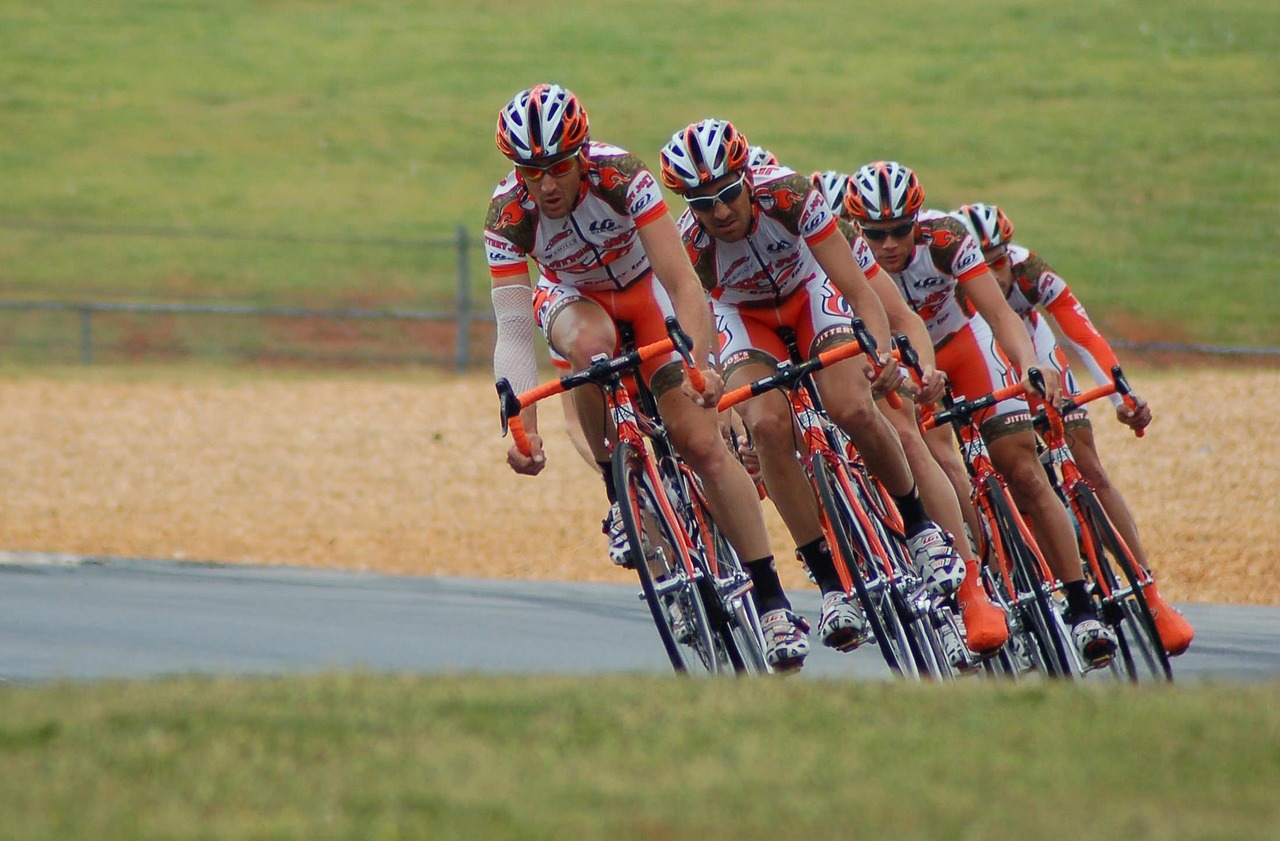
Race strategy is crucial in track cycling, especially for sprinters, who must make rapid decisions during high-pressure scenarios. Understanding the dynamics of pacing and timing can significantly influence race outcomes. Sprint races often begin at a low effort, gradually increasing intensity as competitors close in on the finish line. Strategizing when to unleash a full sprint often dictates race success; a perfectly timed acceleration can exploit gaps created during race dynamics. Cyclists analyze their competitors to identify patterns that reveal when to attack. Effective tactics include positioning for drafting, which reduces wind resistance, allowing cyclists to conserve energy until the right moment arises. The intricacies of positioning throughout a race must be mastered; this involves knowing when to take the lead or follow. Post-race analysis provides valuable insights into how strategies performed, helping cyclists refine their approach for the next competition. Therefore, combining tactical knowledge with physical preparation ensures that sprinters are better equipped to handle the unpredictable elements of race day while creating the best opportunity for victory. Mental readiness complements these strategies, which are crucial to performing under race conditions.
Recovery Techniques for Sprinters
Recovery is an essential component of a sprinter’s training plan, as high-intensity activity can lead to fatigue and muscle soreness. Effective recovery strategies help athletes bounce back and stay injury-free. Cyclists prioritize post-training nutrition by consuming protein and carbohydrates shortly after workouts to facilitate muscle repair. Additionally, hydration is critical; restoring fluid levels helps manage recovery and reduces the risk of cramps or dehydration. Utilizing active recovery days featuring low-intensity workouts can promote blood flow without adding excessive strain. Techniques such as foam rolling or massage therapy alleviate muscle tightness and enhance recovery processes. Sleep also plays a pivotal role; adequate rest is essential for hormonal recovery, nutrient absorption, and cognitive function, allowing athletes to perform their best. Furthermore, yoga practices help enhance flexibility and relaxation, thereby reducing stress levels during intense training cycles. Tracking recovery through various metrics enables athletes to gauge their progress; wearables can monitor heart rate, sleep quality, and exertion levels. By integrating these practices, cyclists can maximize their training benefits while minimizing downtime due to injuries, significantly impacting their competitive edge in sprint cycling events.
In conclusion, sprinting in track cycling is an intricate blend of physical abilities, mental strategies, and technological advancements. Athletes dedicate extensive time to honing their technique, optimizing their nutrition, and implementing effective recovery strategies. Alongside rigorous training, understanding biomechanics enhances performance through improved efficiency and strength. Monitoring power output and adjusting strategies based on data can help sprinters stay ahead. Preparation should involve both individual insights and feedback from coaches to refine tactics and ensure a competitive advantage. Furthermore, emotional readiness through techniques such as visualization empowers cyclists to overcome race-day pressures. The interconnectedness between all these factors creates a potent formula for success. Cyclists continually seek to develop their skills and setting personal goals allows them to track their improvement. While physical capacities are essential, mental resilience and flexibility help cyclists navigate their sport’s emotional challenges. The science and art behind sprinting in track cycling is an ongoing journey. As athletes strive to break personal records and achieve competitive victories, embracing the complexity of the sport guides them toward excellence and personal fulfillment within the world of track cycling.