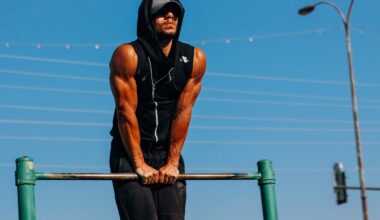

Top 10 Strength Exercises Every Soccer Player Should Do
Strength training plays an essential role in improving performance on the soccer field. For soccer players, specific exercises can significantly enhance their strength, speed, and endurance. A well-rounded strength training program targets various muscle groups, which is crucial for the demands of the sport. Soccer players must focus on building lower body strength, core stability, and upper body power. Incorporating exercises that mimic soccer movements helps in transferring the strength gains to the game. Here are ten effective strength exercises that can help soccer players excel on the field. These exercises not only improve physical conditioning but also enhance overall athleticism. It is important for players to focus on proper technique and gradually increase intensity to prevent injuries. Including these exercises in a regular training routine can help players develop explosiveness and agility. As players progress, they should make adjustments to their training program based on their individual needs and goals. Regular strength training sessions will cultivate a strong foundation for an athlete, directly impacting their performance and reducing the risk of injury during games.
The first exercise every soccer player should consider is the squat. Squats increase overall leg strength, targeting the quadriceps, hamstrings, and glutes. Incorporating variations such as front squats, back squats, or sumo squats can further enhance muscle activation. Next, the deadlift is another crucial exercise that strengthens the posterior chain, which is vital in soccer. The deadlift improves explosive power off the ground, which translates directly to sprinting speed. A third important exercise is the lunge, particularly the walking lunge. This exercise improves coordination and balance while strengthening the legs. Lunges mimic on-field movements like cutting and changing direction. Additionally, performing lateral lunges enhances lateral strength. Another key movement is the push-up, which builds upper body strength targeted at the chest, shoulders, and triceps. Push-ups also engage the core, improving stability. Lastly, the plank exercise is widely effective in developing core strength. A strong core allows for better balance during play and prevents injuries. By regularly incorporating these exercises, soccer players can ensure they are optimizing their physical capabilities for competition.
Importance of Core Strength in Soccer
Core strength is paramount in soccer as it significantly affects balance, stability, and overall athleticism. Exercises like planks, rotational medicine ball throws, and Russian twists effectively target the core muscles. Planks, for example, not only strengthen the abdominals but also the lower back, helping to prevent injuries during games. Incorporating medicine ball throws into routine workouts enhances explosive rotational strength that soccer players require when striking or passing the ball. Additionally, Russian twists engage both the obliques and the entire core, promoting better trunk stability during play. Building a strong core allows players to engage in the game more efficiently. It helps them maintain posture and balance while dribbling or tackling opposing players. Players should remember that a weak core can lead to a loss of power and decreased performance. Moreover, a strong core aids in recovery, keeping players fit throughout the season. Many athletes also incorporate various pilates and yoga exercises for core strength and flexibility. It can be beneficial for soccer players to join classes that focus specifically on these areas to complement their strength training.
Another essential strength exercise for soccer players is the bench press. This movement builds upper body strength crucial for physical duels on the pitch. Strong arms and shoulders play a crucial role in protecting the ball and asserting oneself against opponents. Variations like incline bench presses can also target different areas of the chest and ensure balanced muscle development. The shoulder press is another key exercise that develops shoulder and upper back strength. Strong shoulders are critical for maintaining an optimal range of motion, and this has a direct impact on passing and shooting accuracy. Alongside these, box jumps contribute to explosive agility vital for quick sprints and movements on the field. High-intensity interval training can also complement strength workouts. Plyometrics like burpees or tuck jumps can further enhance the athlete’s speed and strength when performing dynamic movements in games. Each of these exercises should emphasize proper form to prevent injuries. It is crucial for players to focus on methodology rather than just intensity. Progressive overload will stimulate further muscle adaptation, making strength gains more effective.
Incorporating Flexibility into Strength Training
Flexibility must also be integrated into a soccer player’s strength training regimen. Strength without flexibility can lead to reduced performance and increased risk of injury. Dynamic stretching warms the muscles before a workout, making them more pliable. Post-workout static stretching is essential for recovery and maintaining flexibility. Incorporating yoga into a routine can greatly enhance flexibility and strength simultaneously. It improves body awareness and muscle control. Flexibility exercises such as hamstring stretches and hip flexor stretches effectively target common tight spots for soccer players. Stretching can also assist in muscle recovery, which allows players to train harder and more frequently. Foam rolling after workouts can aid in releasing tightness and knots built up in the muscles from training. Regular flexibility training not only enhances athletic performance but also assists in injury prevention. Players should allocate specific training days dedicated solely to flexibility and mobility work to improve their overall physical wellbeing. This holistic approach ensures that athletes perform optimally and consistently throughout the season.
Using the proper nutrition and hydration also plays a significant role in an athlete’s strength training. Adequate nutrition fuels the body and aids recovery post-workout. Soccer players should focus on consuming a balanced diet rich in proteins, carbohydrates, and healthy fats. Proteins help in muscle repair and growth. Carbohydrates provide energy levels necessary for training and matches. Staying hydrated keeps the muscles functioning properly and helps prevent fatigue. Soccer players also need to be mindful of their pre-game meals, ensuring they are adequately fueled to perform at their best. Consuming a mixture of complex carbohydrates and proteins close to the game ensures sustained energy. Vitamins and minerals are necessary to support overall health as well. Supplementation can also be beneficial, but players should consult a nutritionist before doing so. Lastly, regular assessment of dietary habits can reveal areas for improvement. Engaging with a professional may guide personalized nutritional goals. As training progresses, players should adjust their dietary intake to accommodate muscle growth and physical changes. Proper nutrition is a cornerstone of strength and performance in soccer.
To wrap up, introducing these strength exercises into your routine can greatly enhance your performance as a soccer player. The critical point is to maintain a well-balanced strength training regimen that includes flexibility and core stability exercises. It’s essential to follow a structured plan that caters to your specific needs as an athlete. Keeping track of your progression in strength training will keep you motivated and allow you to make necessary amendments to your routine. Working with strength and conditioning professionals can also provide insights that enhance your workouts. Additionally, listening to your body is vital. Overtraining can lead to injuries, so ensure to have adequate rest and recovery periods built into your training schedule. Remember that improvement takes time; consistency is key. Incorporating the right exercises in a progressive manner helps to build strength, speed, and agility. Therefore, every soccer player striving for excellence must focus on these essential elements of training. Ultimately, commitment to strength training will enhance your game, reduce injury risk, and contribute positively to overall athleticism.