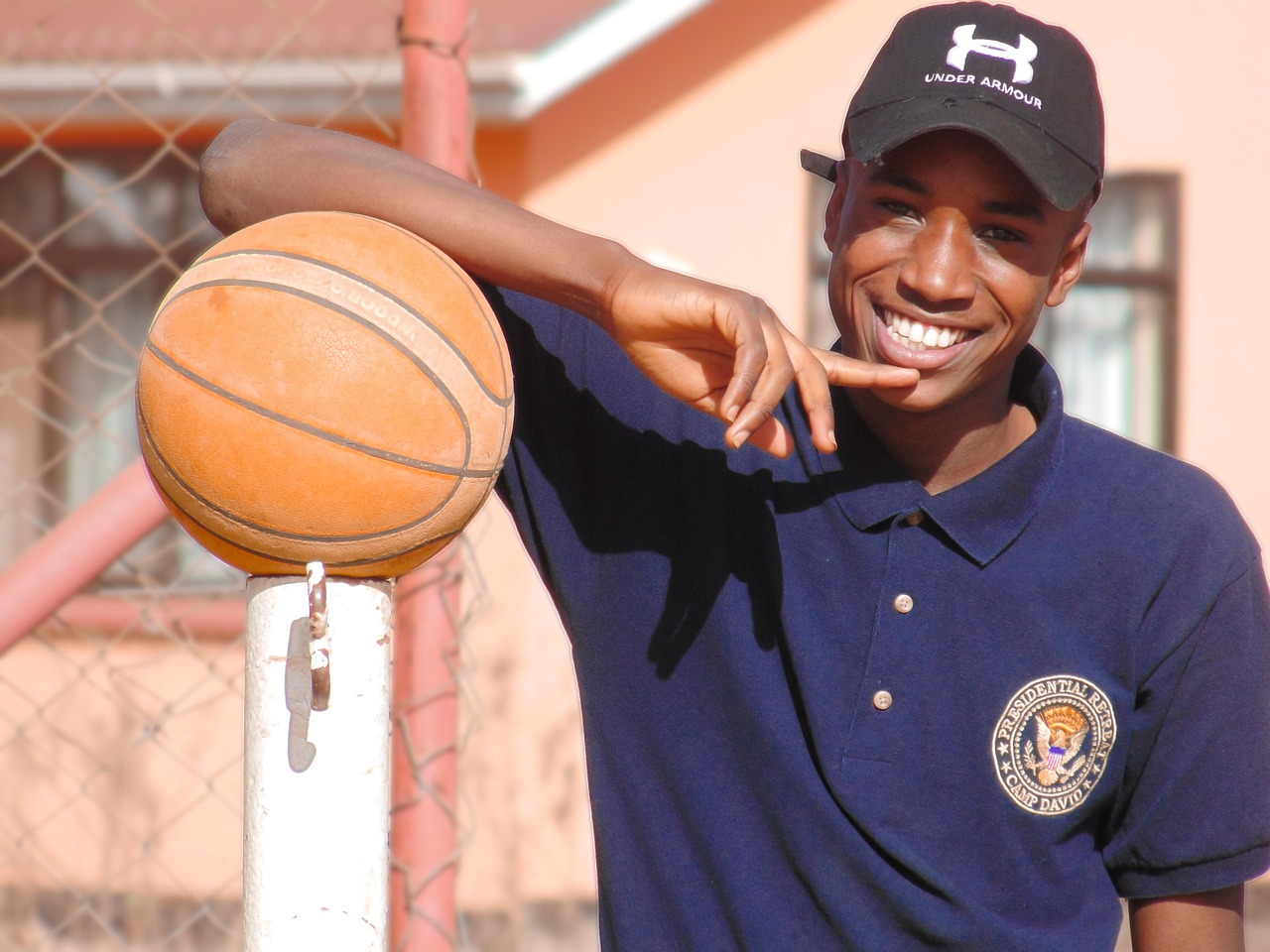

Adapting Cross-Training as You Age in Basketball
As basketball players age, the importance of cross-training becomes increasingly significant for maintaining performance and preventing injuries. Older athletes need to adjust their training routines according to their evolving physical capabilities. Emphasizing varied workouts not only aids in enhancing basketball skills but also implements necessary body conditioning. For instance, incorporating low-impact exercises can effectively keep joints protected. Activities like swimming and cycling can bolster cardiovascular fitness without stressing the knees. Intelligence in training approach adjusts to physical limits, ensuring that players remain competitive. Mental agility plays an equally crucial role in adapting workouts. Creative methods of engagement through cross-training can help sustain motivation and enjoyment of the game. Maintaining a balance between technique-focused training and recovery days allows the body to recuperate. Additionally, strength training focusing on core stability is essential. Engaging the core enhances balance and facilitates smoother movements during games. It’s equally crucial to listen to your body, reacting to signs of fatigue or discomfort promptly. Ensuring alignment between effort and recovery strengthens long-term engagement in basketball while adapting to age-related changes. Strengthening mental resolve is vital too, paving the way for a successful athletic journey.
As you progress through various stages of life, your cross-training regimen should not only reflect your age but also your personal goals. Players transitioning from competitive roles to more recreational play need to instill flexibility, incorporating timely adjustments into their workouts. Flexibility training, including yoga or dynamic stretching, helps older players enhance their range of motion, making them more agile on the court. Moreover, focusing on skills specific to basketball, such as shooting accuracy, becomes increasingly essential for older players who aim to maintain effective gameplay. This technique-focused cross-training allows an athlete to adapt seamlessly rather than struggle with physical limitations. Making use of resistance bands can provide the required strength training while ensuring a gentle impact on joints. It’s critical to consider nutrition alongside training; maintaining a balanced diet with the right micronutrients significantly contributes to recovery. Staying hydrated also plays a key role in efficient cross-training absorption. Tailoring workouts based on feedback received from trainers ensures one maximizes efforts. Always remember recovery is as important as the workout itself. Knowing this balance allows a player to adapt intelligently, keeping their love for the game alive regardless of age.
The Role of Injury Prevention
Injury prevention becomes paramount as players evolve through the years in basketball. Awareness about one’s physical boundaries and the types of injuries prevalent among aging players helps in creating a safer training environment. Understanding that muscles and tendons lose elasticity as they age prompts a greater emphasis on warm-up routines before any basketball activity. In a well-structured cross-training program, dynamic stretching can significantly reduce the likelihood of strains and sprains during practice or games. Resistance training should also address muscle imbalances, which are often exacerbated through repetitive movement patterns associated with basketball. It assists in enhancing overall stability. Older players also benefit from proprioceptive training, which focuses on balance and coordination, essential to perform effectively on the court. Integrating exercises like single-leg balances or using stability balls fosters essential core strength and joint stability. Moreover, considering joint health is vital, particularly for knees and hips. This can involve range of motion exercises that adapt as the player ages. Utilizing proper footwear and court surface awareness significantly contributes to minimizing injury risks. Focused conversations with sports medicine professionals can help in developing personalized injury prevention strategies as players mature.
Venturing into strength training can significantly influence both performance and durability for aging basketball players. Cross-training routines incorporating resistance-based exercises not only enhance muscle strength but also retain flexibility. Engaging with personalized plans minimizes the risk of injuries while improving overall athletic performance. Creating workouts that incorporate bands, weights, and bodyweight exercises adds variation and stimulation in training sessions. Importantly, adapting the intensity of strength training based on energy levels preserves motivation during workouts. Emphasizing compound movements, such as squats or lunges, builds the necessary strength for basketball activities and emphasizes functional fitness. Among strength exercises, agility drills can be crucial for older athletes aiming to maintain speed and shooting accuracy. Over time, lifting lighter resistance with higher repetitions proves to be beneficial for older players, maintaining muscle endurance more effectively. Attention to recovery periods between workouts encourages muscle repair, a crucial aspect often overlooked. Additionally, rest days infused with mindful workouts can result in a significant long-term improvement. As performance declines with age, rather than diminishing enthusiasm, adapting training techniques fosters resilience, ensuring that aspirations in basketball remain within reach and excitement thrives even with limitations.
The Importance of Mental Adaptation
Mental adaptation plays a pivotal role in approaching basketball training as athletes age. Players must hold onto their competitive spirits, even as physical limitations emerge. Mindfulness techniques can effectively help enhance focus and concentration, proving to be a valuable asset on the court. As age influences physical capabilities, maintaining a strong, engaged mindset helps players navigate these changes. Engaging in visualization techniques where players can mentally rehearse skills supports overall performance during actual games. Remaining mentally stimulated through learning new skills positively impacts how one adjusts their training accordingly. Furthermore, fostering an enjoyable journey in cross-training helps players remain committed to challenging their boundaries despite increased age. Joining community teams or playing pickup games introduces social aspects enriching the experience. Remaining socially connected can enhance emotional well-being tied to athletic pursuits. Sports psychology plays a tremendous role in bridging mental resilience with physical training. Developing a consistent routine enriched with positive affirmations empowers players to hold steadfast in their progress. Lastly, setting attainable goals aligned with present capabilities fosters a sense of achievement and satisfaction. In conclusion, merging physical and mental approaches while adapting gives basketball players at any age a reliable framework to thrive.
Proper time management emerges as a critical aspect when discussing basketball cross-training for older athletes. Efficiently organizing training schedules allows players to maximize workouts while ensuring ample recovery time. Therefore, prioritizing workouts based on individual commitments while retaining a structured approach can be particularly effective. Players should consider shorter, high-intensity sessions that fit within busy schedules rather than lengthy workouts leading to exhaustion. Maximizing quality over quantity transforms fitness routines, especially in aging athletes, who require more recovery. Ensuring that training sessions involve a blend of flexibility, strength, and skill drills helps retain engagement while cultivating a balanced athletic profile. Additionally, consistency in routine building fosters discipline and cultivates the right recovery mindset. Tracking progress helps quantify improvement while modifying plans as necessary will keep workouts relevant. Utilizing modern tools and apps for planning can further optimize training schemes while holding players accountable. Engaging with a fitness coach familiar with cross-training for older athletes offers fresh insights. Working together leads to achievable, tailored approaches that respect age-related limits while promoting continued growth. Establishing this proactive mindset empowers aging basketball players to stay on course and enjoy their dedication to the sport.
Conclusion
In conclusion, adapting cross-training as basketball players age hinges on embracing a combination of physical strategies, mental adaptation techniques, and thoughtful planning. The focus should continually shift towards not just maintaining performance but ensuring enjoyment of the game throughout the years. Tailoring training regimens nourishes longevity and cultivates resilience, enabling players to stay competitive. Emphasizing injury prevention and integrating functional exercises into strength training enhances overall effectiveness. Additionally, implementing cutting-edge training methodologies fuels ongoing success. Mental engagement transforms how players view their growth, tying it to achievement, resilience, and community involvement. These elements collectively craft a holistic approach, seamlessly bridging the gap between age and athletic ambition. Maintaining a zest for competition may require modified pathways, but players can thrive as they adapt their journey in basketball. The lessons learned through cross-training enriched with flexible mental strategies invite a sustainable relationship with the sport. Ultimately, staying united with a blend of physical strength, mental acuity, and community connection helps aging basketball players carve cherished experiences that define their time in sports. Encouraging lifelong engagement with basketball across age transitions enriches both personal and communal health.