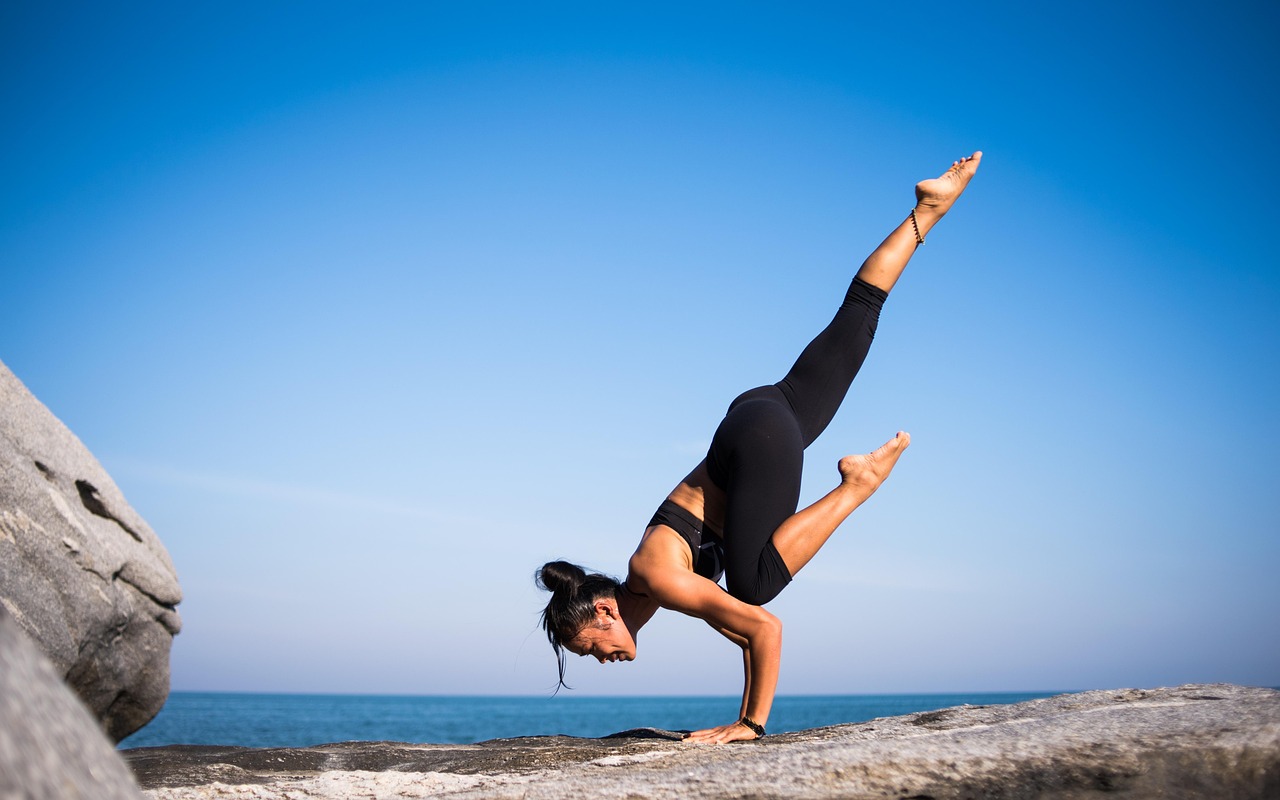

Balance Challenges for CrossFit Athletes: Improve Overall Performance
Balance challenges are essential for CrossFit athletes aiming to enhance their overall performance. These challenges not only improve stability and coordination but also contribute to injury prevention, which is crucial for athletes pushing their limits. A well-rounded balance training program incorporates various exercises that target the core and lower body, ensuring improved muscle engagement. Effective exercises include single-leg deadlifts, balance boards, and stability ball exercises, which enhance proprioception. Moreover, these exercises can be easily integrated into existing CrossFit routines, providing an engaging workout experience. An athlete’s ability to maintain control during dynamic movements, such as jumping or landing, heavily relies on balance. Therefore, addressing balance should be a key focus. Additionally, athletes can benefit from training variations that keep them mentally engaged while improving their physical capabilities. For instance, implementing agility drills can add variety and competitiveness to balance training. Regular incorporation of balance-focused workouts guarantees athletes become more efficient in their movements, ultimately leading to better overall performance. Thus, integrating balance challenges into a CrossFit regimen can lead to significant performance enhancements.
Importance of Core Strength for Balance
The foundation of balance lies within core strength, enabling athletes to stabilize their bodies effectively. A strong core provides the necessary foundation for maintaining control during complex movements. For CrossFit athletes, engaging in core-strengthening exercises significantly enhances balance and coordination. Various exercises such as planks, Russian twists, and hanging leg raises are excellent for developing core strength and stability. In fact, athletes with improved core strength can better manage their bodies’ weight distribution during high-intensity exercises. When the core is strong, it facilitates better execution of lifts and improves overall athleticism. Incorporating core workouts into weekly routines can assist athletes in achieving their balance goals while having fun. Balance training that focuses on the core also allows athletes to become more aware of their movements, fostering a greater connection between mind and body. This awareness can be critical during competitions, where every movement counts. Furthermore, athletes should consider integrating stability-enhancing equipment, such as medicine balls or BOSU trainers, into their routines. Keeping workouts varied and dynamic will not only enhance balance but also keep training fresh and motivating.
Many CrossFit exercises naturally incorporate balance; however, direct balance challenges can maximize training outcomes. Incorporating specific drills like one-legged squats, agility ladders, and dynamic lunges focuses on improving balance systematically. These drills help athletes develop strength through varied ranges of motion, promoting muscle growth. Additionally, balance boards and stability discs can engage various stabilizing muscles effectively. Implementing these tools into warm-ups or cooldowns can significantly benefit performance. CrossFit athletes often face high-impact movements, making it critical to strengthen balance for injury prevention. Moreover, challenging balance not only improves physical capabilities but also boosts confidence. Many athletes may overlook the significance of balance in their routines, focusing predominantly on strength and speed. It’s crucial to recognize that without balance, other skills may falter during high-performance situations. Regularly practicing balance training can cultivate better movement mechanics, improving overall agility and reaction times. Athletes should consult coaches on how best to incorporate additional balance drills that suit their individual needs. Seeking feedback will ensure they maintain optimal progressive enhancement over time. Gradual challenging increases contribute to long-term gains in athletic performance.
Utilizing Dynamic Movements for Better Stability
Dynamic movements not only delivers cardiovascular benefits but also enhances an athlete’s balance through increased functional strength. When executing dynamic exercises like kettlebell swings or box jumps, athletes are forced to engage their stabilizing muscles effectively. This constant engagement helps improve proprioception and body awareness, both necessary for maintaining excellent balance. Moreover, executing dynamic movements often mimics the complex movements performed in daily life, which renders training more applicable. Athletes should incorporate exercises that require multi-planar movements, such as lateral shuffles or rotational medicine ball throws. These exercises promote better engagement of the core while simultaneously enhancing the body’s ability to balance on unstable surfaces. Additionally, coupling balance challenges with heavy lifts can serve as an effective strategy for building strength while enhancing stability. Athletes can rotate between lifting and balance-focused exercises in a single workout session to yield optimal results. Furthermore, practicing dynamic balance activities fosters better adaptability during competitions or unexpected scenarios. Emphasizing dynamic stability will ensure that athletes become well-equipped to navigate unpredictable challenges, making them more formidable competitors overall.
Many CrossFit athletes can greatly benefit from understanding how to develop mental resilience through balance challenges. Mental focus plays a key role while performing challenging balance work, as distraction can exacerbate loss of stability. Incorporating mindfulness techniques during balance training allows athletes to establish mental clarity and presence. Focusing on breath and engaging the mind during balance drills can significantly enhance overall performance. Athletes can practice visualization techniques while training, imagining themselves mastering challenging balance movements with ease. By reinforcing positive mental imagery, they can improve their confidence leading to better results. Additionally, athletes should recognize that mistakes during balance training are learning opportunities. Having a relaxed mindset fosters experimentation with new techniques, which will serve to enhance overall capability. Regular practice of balance challenges will develop an athlete’s resilience not just physically, but mentally too. Mental strength enhances their ability to face competitions head-on, leading to improved outcomes. By balancing both physical training and mental development concurrently, athletes position themselves for success within their fitness journeys. Furthermore, they should embrace the challenge, turning balance training into an enjoyable game rather than tedious work.
Tracking Progress in Balance Training
To maximize the effectiveness of balance training, athletes should actively track their progress. Keeping a record of their workouts and progressions helps them identify areas of improvement and set future goals. Utilizing fitness apps, journals, or wearable technology can simplify the tracking process. By documenting balance-specific workouts, athletes can monitor their performance over time. They should focus on key metrics such as stability duration during balancing exercises, number of repetitions, and perceptions of difficulty. Tracking progress not only motivates athletes but also reinforces commitment to achieving balance goals. Additionally, cross-referencing performance with other metrics such as strength, endurance, and flexibility provides a fuller picture of overall fitness. This comprehensive approach showcases how balance training influences other fitness components. Moreover, athletes should regularly reassess their balance challenges to increase intensity, ensuring constant progression. Improved scores provide tangible evidence of their hard work, boosting confidence as they see the results. Incorporating feedback from coaches or personal trainers can further enhance tracking effectiveness. By setting incremental goals based on their assessments, they can develop a stronger framework for continuous improvement.
In conclusion, developing balance is crucial for CrossFit athletes looking to improve their performance measurably. A well-structured balance training program addresses physical and mental aspects, ensuring comprehensive enhancement. Balance challenges should not be treated as an afterthought; they deserve focused attention and intentional integration into training routines. Athletes should remember the significance of core strength and dynamic movements in developing better stability. Seeking variety in techniques and equipment keeps the training fresh and engaging while enhancing overall performance. Furthermore, being mindful and present during balance work fosters mental resilience and confidence. It’s essential to track progress meticulously, allowing for targeted adjustments and effective goal-setting. Athletes should embrace challenges and accept mistakes as part of the learning curve. By treating balance training as an essential building block of fitness, athletes can achieve immense personal growth. The road to success will require dedication, but with purposeful balance training, the rewards are undeniable. Stepping onto the field stronger, more coordinated, and equipped with better skills will provide the competitive edge that every athlete desires. Truly, balance challenges are keys to unlocking an athlete’s complete potential.