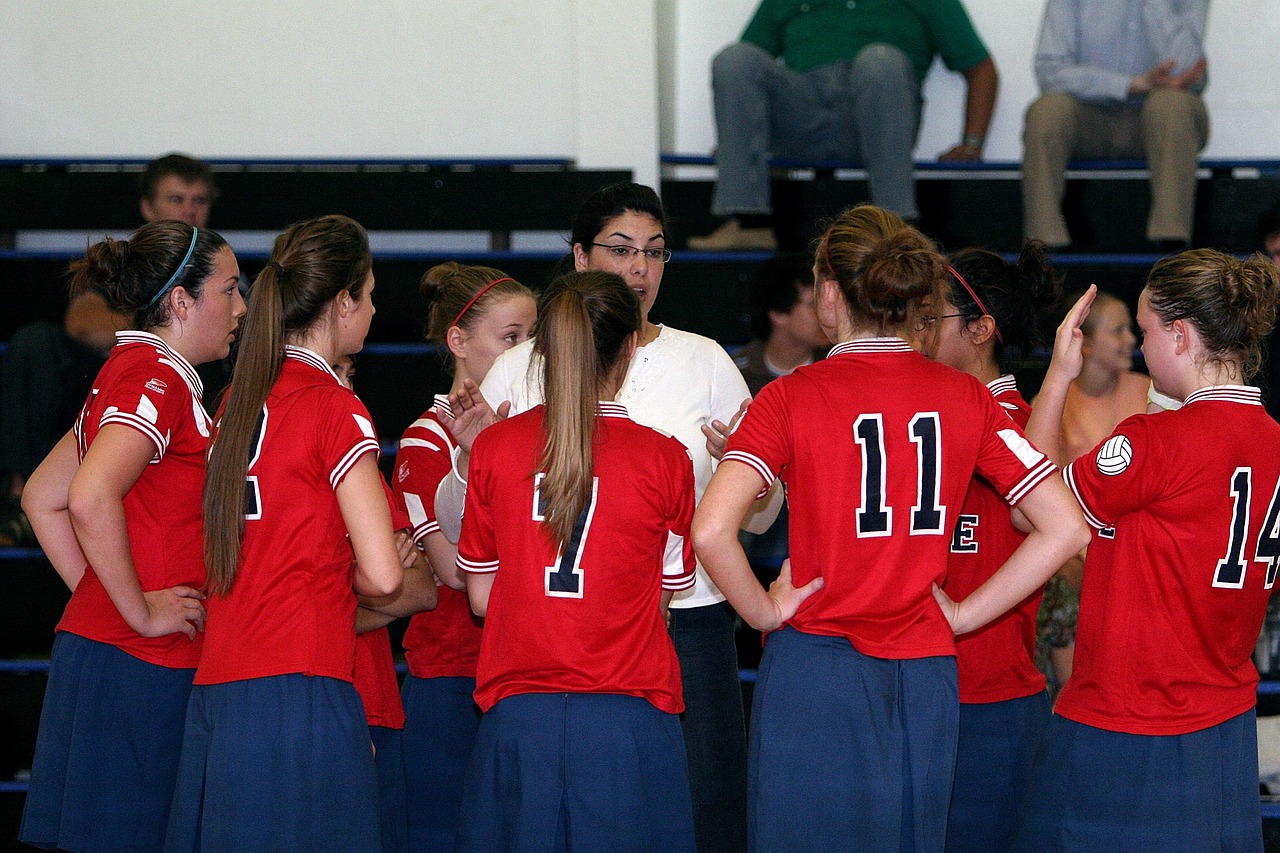

Developing Leadership Skills on the Volleyball Court
Volleyball, as a team sport, provides a unique platform for athletes to cultivate essential leadership skills. Effective leaders in volleyball must communicate clearly with teammates, making their intentions and directions known. During practice and games, leaders should demonstrate strong communication skills that can help synchronize play for better performance. Building trust among teammates is vital; leaders must also create an environment where players feel valued and heard. This enhances overall team cohesion and synergy. Moreover, the ability to motivate others is crucial. Leaders often inspire their teammates to push beyond their limits and maintain focus during challenging moments, ensuring everyone remains energized throughout. Adaptability is another critical skill; leaders face various game situations and must adjust strategies accordingly. They can change tactics based on opponents or unexpected disruptions. Establishing a positive attitude significantly influences team morale and creates a supportive atmosphere. A leader should embrace challenges and setbacks as learning opportunities, promoting resilience. Lastly, recognizing the importance of self-reflection allows leaders to evaluate their performance while improving their leadership style. Overall, volleyball provides an incredible arena for understanding how to lead a team toward success.
Leadership in Volleyball: A Player’s Journey
Fostering leadership skills on the volleyball court is not just about performing well; it involves understanding one’s roles and responsibilities within the team. Each member has a part to play, and effective leadership encourages accountability. Emphasizing personal accountability in practice helps build a winning mentality among players. This approach ensures individuals take ownership of their actions both on and off the court. Leaders should emphasize developing strategic thinking; anticipating plays enhances team coordination during matches. Players who understand the game better can contribute to devising effective tactics. Another enriched area of leadership development in volleyball is conflict resolution. Disagreements can arise during intense moments in games or practice; effective leaders must resolve these conflicts without creating tension. Positive reinforcement is an essential tool for leaders, encouraging teammates by celebrating small victories, which can create a confident and motivated environment. Additionally, promoting teamwork extends beyond matches; leaders must foster camaraderie through team-building exercises, enhancing interpersonal relationships among players. Lastly, leadership includes creating an inclusive environment where every player feels valued and encouraged to contribute to the team’s success, establishing a foundational bond integral to high performance in volleyball.
Building a Strong Team Culture
The success of any volleyball team is greatly influenced by its culture. Establishing a strong team culture through shared values fosters effective leadership. Each member’s contribution leads to creating a cohesive unit where everyone harmoniously works toward common goals. A vibrant team culture instills a sense of belonging and pride among players, vital for their engagement. Consistency in practices and behaviors shapes the team identity, reinforcing the leadership values expected on and off the court. Leaders play a central role in promoting key cultural attributes such as commitment, resilience, and respect. Engaging in regular discussions about the team’s culture allows for continuous improvement, with feedback loops that benefit all players. Furthermore, leaders should model the behavior they wish to see; leading by example is vital for instilling discipline and work ethic. Celebrating individual and team accomplishments builds morale, encouraging players to strive for excellence. Incorporating fun activities, games, and traditions strengthens the interpersonal relationships among the players, thereby enhancing teamwork. In essence, a robust team culture not only helps in developing leadership skills but also in achieving collective goals during competitions.
Cultivating Effective Communication
Effective communication is fundamental for leadership within a volleyball team. Captains and leaders should master not just verbal communication but non-verbal cues as well, which can significantly impact gameplay. Clear communication helps align individual efforts with the team strategy during both practices and games. Developing a shared language amongst players, including specific signals or calls, can enhance quick decision-making on the court. Leaders need to encourage open channels where players feel comfortable expressing their thoughts, contributing ideas, and giving feedback constructively. Regular team meetings and discussions foster a culture of transparency and trust. Additionally, integrating visual aids or video analyses can significantly enhance understanding, facilitating discussions about game strategies and areas for improvement. Leaders should also highlight the importance of listening. An effective leader is not only a good speaker but also a good listener, appreciating and valuing team input. Finally, positive reinforcement through communication, focusing on what players do well before addressing areas for improvement, promotes a supportive environment. Through these strategies, leaders ensure everyone remains engaged, motivated, and develops a strong understanding of their shared objectives.
Emphasizing Continuous Improvement
Leadership in volleyball involves a commitment to continuous improvement, not only for oneself but also for teammates. Effective leaders cultivate a growth mindset, recognizing that improvement is achievable through consistent effort and learning. This principle should be modeled during practices, where both success and failure are viewed as opportunities for growth. Leaders can facilitate regular performance reviews, discussing strengths and areas for development with teammates. By being open about personal development goals, leaders foster an environment of mutual support where players can share constructive feedback. Additionally, implementing drills that challenge players to step out of their comfort zones can enhance skill development, promoting resilience and adaptability. Encouragement from leadership motivates players to pursue their potential and remain dedicated to their improvement paths. Celebrating milestones, whether small or large, reinforces the journey towards improvement, fostering a positive atmosphere. Organizing workshops or inviting guest instructors can offer fresh perspectives and techniques. Beyond skills, continuous improvement should include team dynamics to promote effective collaboration. This multi-faceted approach to leadership ensures that every player grows as an individual while contributing positively to the collective success of the volleyball team.
Positive Role Models in Leadership
Effective leaders in volleyball must strive to be positive role models for their teammates. By exhibiting behaviors that embody resilience, perseverance, and commitment, leaders can inspire others to adopt similar attitudes. Acknowledging one’s mistakes and learning from them conveys authenticity, transforming challenges into teachable moments. Moreover, a positive attitude during adversity helps maintain team morale, encouraging everyone to push past difficult games. Leaders should demonstrate effective work ethics; consistently giving 100% during practices sets the standard expected from all players. Listening actively to teammates showcases respect and invaluable insight into the needs of the team. Furthermore, developing leadership extends to supporting others’ growth; leaders must assist peers in building confidence and skills. A sense of community and shared goals allows leaders to create bonds within the team. Leaders should also engage in community initiatives or outreach programs, demonstrating the importance of giving back and the values of teamwork transcending the court. Finally, empowering others fosters a culture of Leadership; recognizing the strengths of individuals transforms a group into a united entity working toward shared dreams, enhancing individual satisfaction and overall performance.
Preparing for the Future
The journey of developing leadership skills in volleyball goes beyond the court; it prepares athletes for future endeavors. Leaders who cultivate skills such as communication, teamwork, and adaptability are well-equipped for life challenges beyond sports. These attributes are vital in the workforce and everyday situations, facilitating successful transitions into professional settings. Teamwork experiences teach the value of collaboration, essential for thriving in a multi-faceted work environment. Additionally, the resilience and problem-solving skills honed on the court are applicable to meeting deadlines and overcoming obstacles in life. As such, coaches and mentors play a pivotal role in guiding young athletes through their leadership journeys. Encouraging self-awareness allows players to understand their strengths and weaknesses, paving the way for personal growth. Leaders should focus on nurturing emotional intelligence; understanding one’s emotions and those of others builds stronger interpersonal relationships. Engaging in mentorship roles allows young leaders to inspire and teach others, further solidifying their leadership capabilities. Ultimately, volleyball leadership shapes not only talented athletes but also well-rounded individuals ready to take on future challenges while encouraging others along the way.
Community Engagement and Team Collaboration
Lastly, incorporating community engagement in the team’s leadership development enhances the overall experience. Volunteering together strengthens team bonds, allowing players to understand the importance of collaboration beyond the sport. Activities like fundraising, working with youth programs, or environmental projects promote unity and expose athletes to different perspectives and experiences. These initiatives create opportunities for individual members to step into leadership roles, broadening their skillset. Moreover, these experiences can ignite a passion for social responsibility within players, instilling values of empathy and service. It enables team members to appreciate the contributions of others, fostering respect and gratitude among teammates. Interactions in community settings allow for natural leadership dynamics to emerge, presenting real-world applications of skills learned on the court. Emphasizing the importance of collaboration in service educates athletes on working together toward shared goals outside of competitive settings. Furthermore, participation in community service can be an influential factor in fundraising efforts for team programs. Creating an engaged team extends the reach and impact into the local community, ultimately benefiting everyone involved through fostering unity, respect, and personal development.