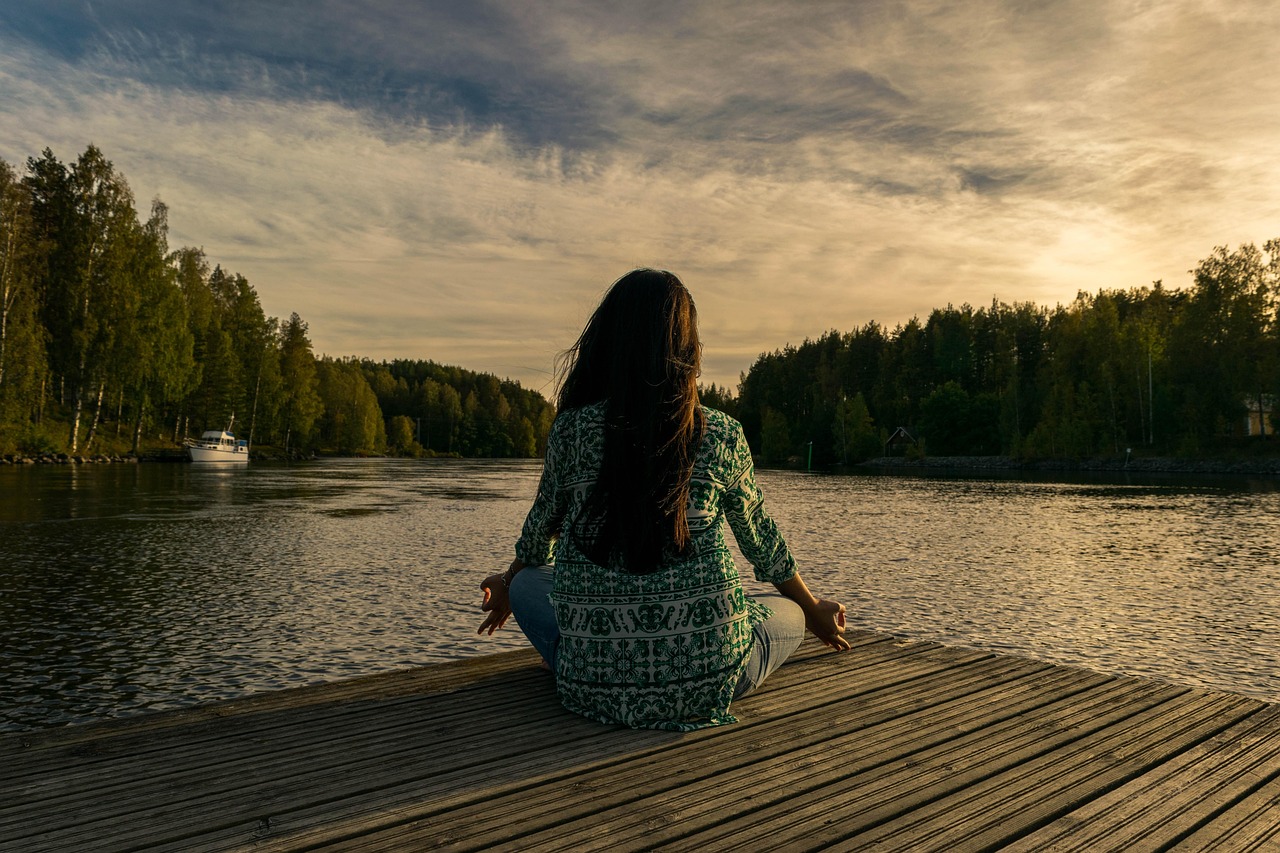

How Nature-Based Mindfulness Practices Support Stress Relief
In today’s fast-paced world, stress management has become essential for maintaining mental health. Nature-based mindfulness practices offer a unique approach to deal with stress effectively. By connecting with nature, individuals can find calmness and tranquility that helps alleviate stress. Emerging studies indicate that spending time in natural environments can significantly lower cortisol levels, a primary stress hormone. Mindfulness, in conjunction with nature, enhances relaxation by cultivating awareness of the present moment. Whether it’s hiking, gardening, or simply soaking in natural surroundings, these activities can induce a sense of well-being. Nature provides a sensory experience that uplifts mood and encourages grounding in the present, shifting focus away from stressors. Furthermore, engaging in mindfulness practices outdoors can improve psychological resilience, allowing individuals to better handle life’s challenges. Embracing nature and mindfulness is gradually becoming a vital strategy for promoting mental health. As we explore these practices further, the simple act of being outside serves as a gateway to deeper awareness, fostering emotional balance. Ultimately, incorporating nature into mindfulness routines can transform how we experience stress, leading to a healthier, more fulfilling life.
Mindfulness itself is rooted in awareness and acceptance. When practiced in natural settings, it is enriched by the calming sounds, scents, and sights that surround us. These elements contribute to a more profound experience of mindfulness, making it easier to achieve a state of relaxation. Engaging with nature can facilitate a connection to the earth, helping to ground thoughts and feelings. Simple practices like deep breathing under a tree or observing rippling water can bring clarity and peace. In addition, exposure to greenery enhances creativity and cognitive function, which are essential when relieving stress. Mindfulness in nature encourages a flow state, allowing thoughts to settle and emotions to stabilize. This is particularly beneficial for those struggling with anxiety, as it provides a sanctuary free from distractions. Seeking spaces like parks or forests can create opportunities for such experiences. Furthermore, just a few moments in nature each day can rejuvenate the mind and body. As we understand the profound impact nature has on our mental state, it is increasingly clear that integrating these practices can lead to lasting stress relief and overall well-being.
The Benefits of Nature for Mental Health
Nature offers numerous benefits for mental health, particularly when combined with mindfulness practices. Studies have shown that spending time outdoors can enhance mood and promote relaxation, contributing to overall emotional wellness. Natural landscapes provide a visual and auditory backdrop that promotes positive feelings. One key benefit is the reduction of anxiety and depression symptoms through nature exposure. Being in green spaces has been associated with lower stress levels and improved psychological health. Additionally, nature encourages social interaction, which can help reduce feelings of isolation, further supporting mental health. Engaging in group activities such as nature walks fosters a sense of community and belonging. This social aspect of nature-based mindfulness practices cannot be understated. Regularly connecting with others in nature can bolster personal connections while also promoting mindfulness. Moreover, immersing oneself in natural settings encourages physical activity, which is beneficial for mental health. Activities like walking or yoga in parks can enhance well-being. In sum, the synergistic relationship between nature and mindfulness practices presents a powerful solution to combat stress, making it an ideal focus for those seeking relief.
One effective nature-based mindfulness practice is forest bathing, also known as Shinrin-yoku. This Japanese concept involves immersing oneself in a forest environment, fostering a deep connection with nature. Research indicates that forest bathing can significantly reduce stress and enhance mood. Participants often report feelings of calmness and rejuvenation after spending just a few hours in a forest. Engaging the senses—such as smelling the earthy scents or feeling the texture of tree bark—enhances mindfulness and encourages being present. Another practice is mindful walking, where individuals focus on each step while observing the surroundings. This activity can be done in any outdoor setting and serves to ground individuals in their bodies and the environment. Observing the changing seasons, sounds of birds, or the drip of rain can create a rich sensory experience. Furthermore, adding elements like meditation or breathing exercises during these practices can deepen their effectiveness, enhancing mental clarity. Creating a dedicated time to practice these activities regularly can lead to sustainable mental health improvement. By adopting nature-based mindfulness techniques, individuals can cultivate resilience against stress.
Incorporating Nature into Daily Mindfulness Routines
Integrating nature into daily routines can be a practical approach to enhancing mindfulness and managing stress. Simple adjustments, like taking a morning stroll in a nearby park or setting up a meditation corner filled with plants, can enrich mindfulness practices. Many people suggest that even small doses of nature, such as observing natural light or bringing indoor plants to their workspace, can initiate calming effects. Additionally, the use of gardening can create therapeutic benefits. Tending to plants and engaging with the earth can provide a mindful experience that connects individuals to nature on a deeper level. Spending time taking care of plants encourages slowing down and being present, nurturing both plants and the mind. Incorporating seasonal activities, such as hiking in the autumn foliage or swimming in a lake during summer, allows for a varied experience with nature throughout the year. These seasonal engagements facilitate a cyclic connection with nature. Establishing such regular interactions fosters a habit of mindfulness, providing a resilient foundation for stress management. Combining mindfulness techniques with nature is a powerful tool that can enhance emotional wellness.
In conclusion, nature-based mindfulness is a valuable approach to managing stress and promoting mental health. The benefits of being in nature are manifold—while practicing mindfulness outdoors, individuals can experience relaxation, clarity, and emotional stability. With the increasing demands of modern life, finding time to immerse oneself in nature becomes essential. Creating a balance between daily responsibilities and nature exposure is crucial in reducing stress levels effectively. Simple actions like dedicating time each week for a nature walk or engaging in gardening can reap significant rewards for mental well-being. Furthermore, actively seeking opportunities for outdoor mindfulness practices can positively influence life perspectives. Individuals can bring their attention to the beauty surrounding them and embrace the present moment through activities. Sharing these experiences with others can also enhance the impact, contributing to a supportive community focused on emotional health. Developing a nature-infused mindfulness practice also encourages being kinder to oneself and recognizes the importance of mental health. Ultimately, as we cultivate a deeper connection with nature, we empower ourselves to navigate life’s complexities with greater ease.
Establishing consistent nature-based mindfulness practices within the community can further enhance public mental health. Local parks, community gardens, and outdoor yoga classes can serve as accessible venues for people to immerse themselves in nature. Promoting workshops focused on mindfulness in nature can educate residents about the benefits of these practices and encourage participation. Collaborating with local organizations, schools, or businesses to coordinate events in natural settings fosters a sense of togetherness and collective well-being. Increasingly, initiatives integrating outdoor mindfulness into workplace wellness programs are being explored. Providing employees opportunities to connect with nature during breaks can alleviate work-related stress and boost productivity. Furthermore, schools incorporating outdoor activities in their curriculum promote mindfulness among children, guiding them to develop coping mechanisms early on. Establishing nature-based mindfulness groups can create valuable support networks for individuals facing stress. By championing nature-based practices at a community level, we can collectively work towards healthier lives. Embracing the principles of mindfulness while surrounded by nature can enhance not only individual well-being but also community cohesion, fostering a culture of support and resilience against stress.
In summary, nature-based mindfulness practices stand out as effective methodologies for stress relief, promoting a closer connection with ourselves and the world around us. Incorporating routines that engage with nature nurtures emotional resilience and offers practical tools to navigate daily stressors. It is essential to recognize the potential that nature holds in healing the mind and rejuvenating the spirit. As we embrace these practices, let us commit to integrating moments of mindfulness in nature into our everyday lives. These moments can vary in size and setting but should be honored for their capacity to foster gratitude and self-awareness. Make it a priority to explore local parks, join nature groups, or even start a gardening project. Every effort counts towards enhancing well-being, paving the way for a more fulfilling life. As we deepen this relationship with nature, we also cultivate the ability to be fully present and grounded, enhancing our capacity to handle life’s challenges. In embracing mindfulness and nature, we open doors to serenity and clarity that ultimately transforms our mental landscape.