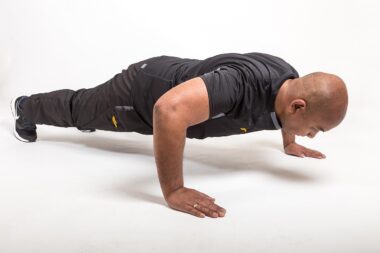

Understanding the Importance of Tapering
Tapering is a critical phase in preparing for fitness competitions, especially as the big day draws near. This process involves gradually reducing training intensity and volume, allowing your body to recover. When you taper properly, you can optimize performance, enhance strength, and ultimately improve competition outcomes. Adequate rest during this phase plays a significant role in preventing injuries and avoiding fatigue buildup. It’s essential to approach tapering strategically as improper tapering can lead to a loss of fitness or insufficient recovery. The goal here is to maintain peak performance while allowing your muscles and nervous system to recuperate. During tapering, focus on maintaining a balanced diet filled with adequate carbohydrates, proteins, and fats to support muscle recovery and energy levels. Hydration is equally important, as it aids muscle function and performance. Meeting with a coach or a fitness professional can provide personalized recommendations on tapering and ensure optimal strategies are employed. Planning your gym and nutrition schedules will help maximize the benefits of this critical phase.
As you reduce workout volume, pay close attention to how your body reacts. It’s crucial to listen to your body during the tapering phase. Monitor your energy levels, mood, and overall fatigue. If you feel overly tired, you may need to adjust accordingly. On the other hand, if you’re brimming with energy, consider slightly increasing your intensity—but remember not to overdo it. Balancing excitement with caution is key. Incorporate lighter workouts, such as yoga or stretching, to maintain flexibility. An effective taper should last anywhere from one week to ten days, depending on your training schedule and the nature of the competition. Keep in mind that every athlete is different; what works for one may not work for another. Therefore, tracking your progress during previous competitions can help tailor your tapering strategy effectively. Open communication with trainers or fellow competitors will also provide valuable insights into your tapering approach. During this time, maintaining a positive mental attitude is important to deal with potential pre-competition nerves effectively.
Adjusting Nutritional Habits
As the competition approaches, your nutritional strategy should evolve alongside your tapering workouts. Nutritional adjustments will play a significant role in optimizing energy levels and ensuring peak performance. Decrease your caloric intake slightly to match the reduced energy expenditure associated with tapering. Opt for nutrient-dense foods rich in vitamins and minerals to aid recovery while promoting muscle repair. Balancing macronutrients is essential; consider adjusting your carbohydrate intake to provide ample energy without unnecessary weight gain. Complex carbohydrates should become a staple in your diet. Incorporate foods like whole grains, fruits, and vegetables to maintain consistent energy levels. Additionally, lean proteins such as chicken, fish, or plant-based options can contribute to muscle recovery while minimizing muscle breakdown. Don’t forget to include healthy fats from sources like avocados or nuts, which also support overall health. Hydrate adequately as well, as hydration aids in digestion and nutrient absorption, which are especially important during this period. This strategic approach to nutrition during tapering will help optimize your competition day performance.
Rest days should be fully embraced during the tapering period, allowing your muscles to recover fully and prepare for peak performance. It’s also essential that sleep becomes a prime focus. Aim for 7-9 hours of quality sleep each night—this can significantly impact your energy levels and recovery. Furthermore, consider incorporating active recovery days featuring light activities that promote blood flow. Activities like walking, swimming, or gentle cycling can improve circulation and help keep your muscles engaged without taxing them. Engage in mental preparation as well. Visualization techniques can enhance your mindset and keep your competition jitters at bay. Picture yourself performing successfully while staying calm and focused. Breathing techniques can also be helpful to manage stress and anxiety associated with competition. Discuss your strategies with fellow athletes to learn improved mental preparation methods. Pre-competition nerves can hinder performance, so integrating these methods can help alleviate fears. This combined strategy of physical and mental training will ensure you’re ready for the impending competition.
Implementing Tapering Techniques
Several tapering techniques can aid you in creating a personalized plan, adjusting for your specific needs as competition approaches. One method involves the 3:1 tapering system where you reduce training volume significantly in the three weeks leading to the competition week. Incorporate lighter workouts, focusing on technique and skill refinement. Next, consider maintaining the frequency of workouts while decreasing the intensity and duration in each session. This ensures that you remain familiar with your routines while also allowing for muscle recovery. Another effective strategy is the progressive taper where you reduce your training load gradually over time. This gradual approach can lessen the impact on your body and improve readiness for competition. Keeping track of your performance metrics during the taper can provide valuable insights into how your body is responding. Don’t hesitate to tweak your tapering strategy based on these observations. Staying flexible with your approach and maintaining awareness of your body will enhance your adaptability and improve your overall competition experience.
Finally, be mindful of your mental state leading up to the event. Mental preparation can significantly enhance your confidence and reduce anxiety on competition day. Engage in relaxation techniques, such as meditation or deep-breathing exercises, to center yourself. Surround yourself with positive influences—friends, family, and training partners can provide encouragement and assist in keeping your motivation high. Social interactions can help mitigate the often-looming pressure before a competition. Discussing your goals and expectations with fellow athletes can also help you normalize pre-competition jitters. Pay attention to your visualization practices as they are crucial—this mental exercise can create a sense of familiarity and readiness. Intentionally focusing on your goals and picturing a successful performance can increase your confidence on competition day. The combination of physical preparation, skills maintenance, and mental fortitude will ensure you can face competition head-on, ready to showcase all your hard work and dedication. Adopting these comprehensive tapering strategies will ultimately enhance your experience and performance during the competition.
Conclusion
In conclusion, tapering your workouts as the day of competition approaches is critical for optimal performance. Implementing a structured plan helps to balance training intensity and recovery while fine-tuning diet and mental preparedness. Adapting your nutrition for peak energy, managing stress, prioritizing rest, and employing various tapering techniques all contribute to this dynamic process. Everyone reacts differently to tapering, so staying responsive to your body’s needs can lead to achieving the best results. Remember that the ultimate role of tapering is to ensure you enter the competition revitalized and ready to perform at your best. Keep refining your methods, engage with fellow athletes for insights, and focus on both mental and physical preparedness. This holistic approach will bolster your confidence and clarity of purpose. Trust in your training and allow yourself to shine as you step onto the competition floor. With proper preparation, you’ll be able to unleash your potential and deliver the performance of a lifetime!
As the competition concludes, take the time to reflect on your performance and recognize the efforts you have put forth throughout the tapering process and overall preparation. Your experience—both highs and lows—will serve as a valuable learning opportunity for future competitions. Analyze your results and identify areas that went well and aspects where you can improve in your tapering strategy or overall training. Discussing your experience with coaches, trainers, or fellow competitors will help clarify new approaches and enhancements. Most importantly, remember to celebrate your accomplishments, regardless of the results. Success comes in many forms, and participating in a fitness competition demonstrates dedication, perseverance, and commitment. Taking this time for reflection will help solidify the lessons learned and help fortify your mental game for future endeavors. Embrace the lessons learned and look forward to the next opportunity. Continuous improvement is essential in any competitive field; therefore, integrating these insights will only enhance your future performances. These reflections will empower you as you prepare for your next fitness competition.