
Injury Prevention and Time Under Tension in Bodyweight Workouts
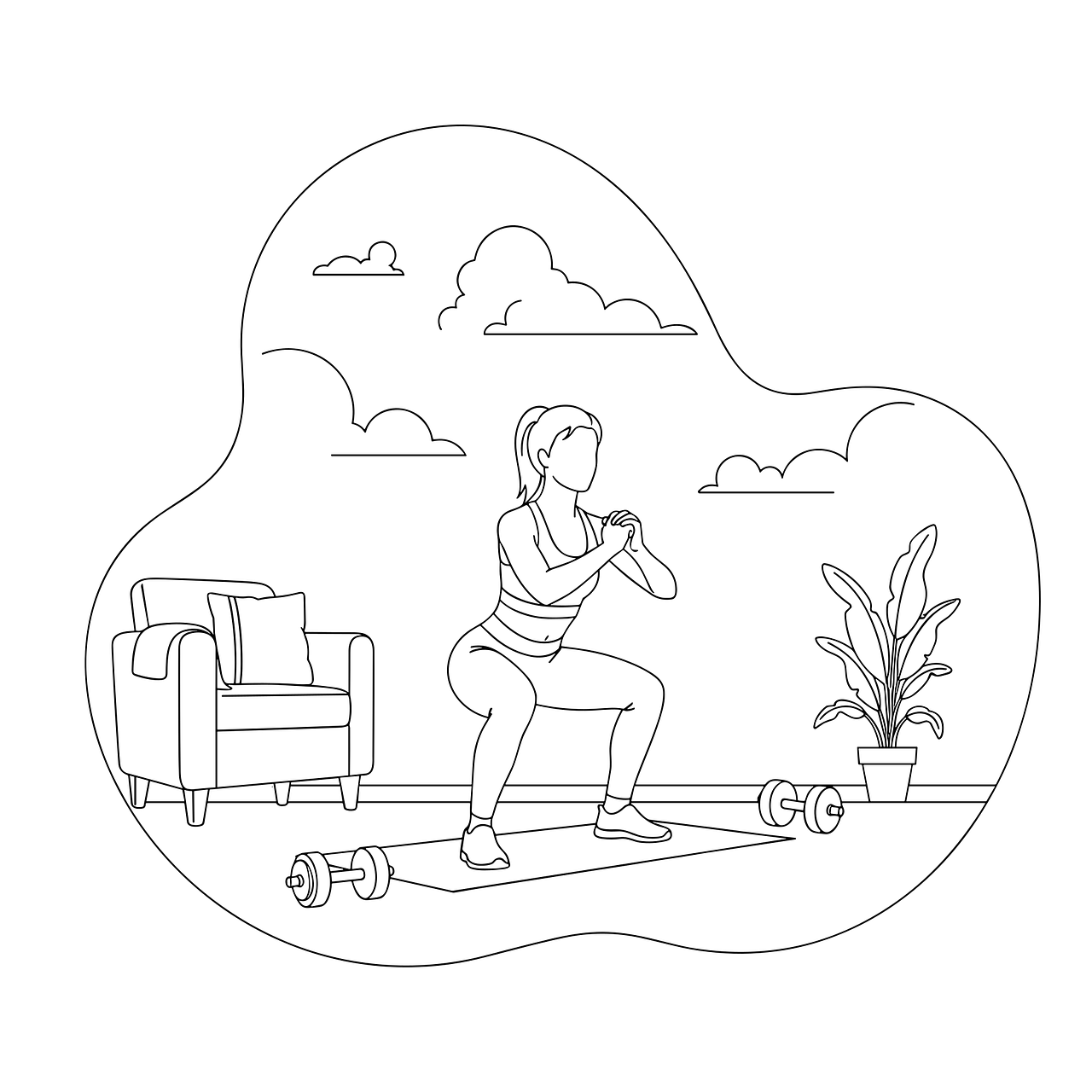
Bodyweight exercises, while incredibly effective for building strength and endurance, can also pose a risk of injury when not performed correctly. Understanding the concept of Time Under Tension (TUT) is crucial for safety. By controlling the speed of movements and emphasizing muscle engagement, TUT can help reduce the risk of injury. When executing an exercise, such as a push-up or squat, focusing on a slower tempo increases tension on the muscles, enhancing engagement and effectiveness. This focus not only boosts results but also protects joints. Moreover, injuries often occur when individuals rush through repetitions or use improper form. Therefore, prioritizing form and tempo is essential. Adopting a mindful approach helps create awareness of body mechanics, allowing for adjustments as necessary. Additionally, strength exercises should allow adequate recovery, ensuring the muscles are not overstressed. Balancing intensity and rest is vital for effective training, ultimately fostering longevity in fitness routines. Utilizing TUT strategies aids in strengthening the connective tissues, better preparing them to support your body, especially during dynamic movements. Let’s explore practical applications of TUT during bodyweight workouts.
Understanding Time Under Tension
Time Under Tension refers to the duration your muscles are under load during an exercise. Properly leveraging TUT can transform bodyweight workouts, allowing you to concentrate on muscle engagement and stability. For instance, performing each rep slowly and deliberately increases the amount of time your muscles work compared to traditional methods. Notably, this slower approach allows for greater adaptability and awareness of alignment, fostering effective body mechanics. Furthermore, increased TUT enhances muscle hypertrophy due to the extended period under tension, which stimulates growth. In bodyweight exercises, you may not always be using weights, yet increasing time under tension is still an effective method for building strength. Consider variations of traditional movements, such as pausing at the bottom of a squat or holding a plank for longer durations. These techniques not only intensify the workout but also improve balance and overall body control, reinforcing the neurological connections between your muscles and mind. Adopting TUT allows for a dynamic training experience, pushing your limits while minimizing injury risks. It remains a vital aspect of any well-rounded bodyweight routine.
Alongside proper implementation of TUT is the significance of technique in ensuring safety during bodyweight exercises. When attention to form is compromised, the likelihood of injuries escalates. Regardless of the intensity of the workout, maintaining strict adherence to form is paramount. Start by mastering fundamental movements before introducing complexity or increased time under tension. Engaging in proper warm-up routines and mobility work can further enhance joint health and flexibility. Consider including dynamic stretches to prepare your muscles for the workout ahead, promoting fluid movement patterns. Additionally, listen to your body and recognize signs of fatigue. Ignoring warning signs can lead to potential injuries, sidelining your fitness progress. Within a TUT framework, pauses at challenging points in an exercise can also provide an opportunity to recalibrate your form. Furthermore, integrating rest days into your routine is equally essential in allowing muscles to recover and avoid overuse injuries. The nature of bodyweight workouts requires thoughtful planning involving exercises that emphasize control over speed. By prioritizing these foundational elements, you’re more likely to experience long-term success in your fitness journey.
Modifying Exercises for Enhanced Safety
Adaptations and variations of bodyweight exercises play a pivotal role in preventing injuries while maximizing the benefits of time under tension. Instead of performing standard high-impact movements, consider modifications that lessen the joint strain. For example, if regular push-ups aggravate your shoulders, switch to knee push-ups or wall push-ups, which maintain tension without the same level of stress. Similarly, for squats, utilizing a chair to support your range of motion teaches control and balance, making it easier to progress. The strategic adjustments allow you to stay within a manageable range while still harnessing TUT principles. Additionally, implementing resistance bands can serve as an excellent way to enhance TUT without compromising form. By slowing down the pace of movements and maintaining resistance throughout the range of motion, muscle fatigue sets in sooner, promoting strength gains. Incorporating pauses or tempo changes within familiar movements can also reinvigorate your workouts, keeping routines fresh and engaging. Committing to mindful modifications fosters longevity in your training, allowing you to push your limits safely while developing strength and resilience through bodyweight exercises.
Muscle fatigue stemming from time under tension is essential to understanding how to prevent injuries during bodyweight workouts. A common mistake is overtraining, which leads to burnout and muscular imbalances. To counteract this, embrace the principle of progressive overload. Progressively increase the time your muscles are under tension by extending set durations or introducing complex movements at a controlled pace. Additionally, variation in rep ranges across sessions contributes to comprehensive muscle engagement, minimizing the risk of strain or injury. For instance, you can cycle between higher repetitions at slower tempos and fewer repetitions with focused control. This approach helps in building enduring strength while promoting recovery. Never underestimate the importance of adequate hydration and nutrition in supporting your body, as proper fuel enhances performance and reduces fatigue-related risk factors. Monitoring any discomfort and allowing ample time for recovery is vital. Moreover, employing active recovery protocols, including gentle movements and flexibility work, serves to alleviate muscle soreness, optimizing readiness for the next workout. Thus, a well-rounded approach incorporates TUT principles while embracing recovery techniques that pave the way for consistent progress.
Engaging the Core and Injury Prevention
The core plays a crucial role in supporting bodyweight exercises through stability and control, helping to prevent injuries. Engaging your core throughout all bodyweight movements reinforces muscular alignment, enhancing your body’s efficiency. For instance, while performing squats or push-ups, consciously tighten your core muscles, promoting proper body mechanics. Effective core engagement minimizes compensatory patterns that typically increase injury risks, particularly during loaded movements or high repetitions. To develop core strength, incorporate multiple variations of planks, side planks, and dead bugs into your routine. These exercises not only strengthen abdominal muscles but also improve overall stability. Much like TUT, focusing on the duration of time held in this state also provides a significant benefit. Additionally, consider training methods that involve instability, such as stability balls or balance boards. These tools encourage core activation and heightened awareness of body posture. The result is improved coordination and balance, leading to safer workouts. Moreover, practice mindful breathing to support engagement of the core during movements. A stable core will not only aid in avoiding injuries but will also empower your body to harness maximum efficacy in bodyweight workouts.
In conclusion, understanding Time Under Tension alongside injury prevention strategies is critical for anyone engaging in bodyweight workouts. The principles of TUT, emphasizing controlled speed, promote muscle activation while simultaneously shielding against injuries. By integrating modified exercises and focusing on core stability, you effectively enhance both performance and safety. Moreover, it’s essential to allow for adequate recovery periods while monitoring any discomfort during workouts. The risk of injury is present in any training regimen, but using TUT empowers you to take control and limits a variety of potential injuries. Additionally, continuously seeking out new variations while adhering to proper techniques keeps your routine engaging, promoting muscle gains reliably. Ultimately, success in bodyweight training hinges on balancing intensity with mindfulness, ensuring safety remains a priority. As you accelerate through your journey, embracing TUT will not only yield impressive results but will also ensure the longevity of your training practice. Start incorporating these principles today, safeguarding yourself against injuries while achieving your fitness goals. Stick to a balanced approach that combines strength, stability, and safety, leading to an impressive bodyweight training experience.