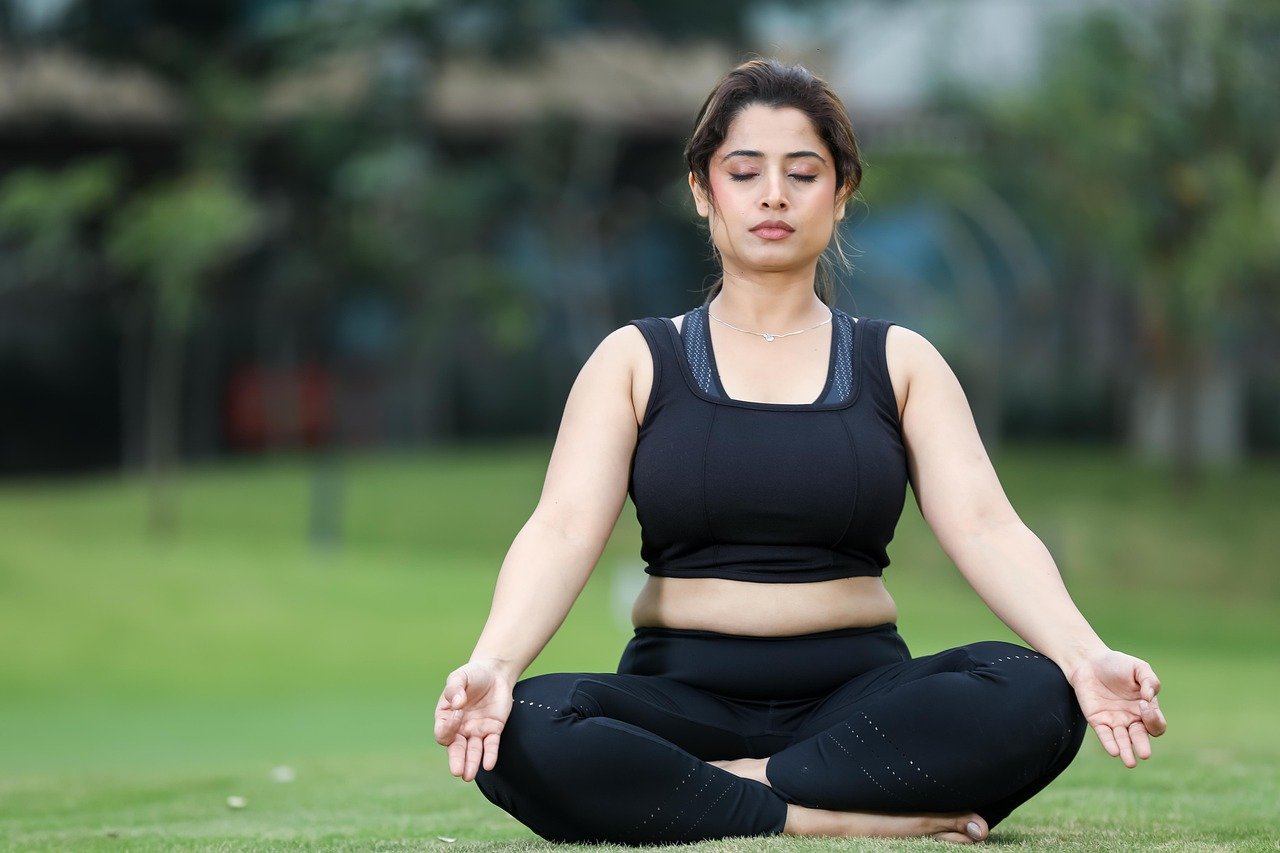

Meditative Breathing Techniques to Optimize Athletic Performance
Meditation is increasingly recognized for its role in enhancing athletic performance. Various studies have highlighted that breathing techniques can directly influence an athlete’s focus, resilience, and overall performance outcomes. Getting a handle on these techniques involves understanding their impact on both the mind and body. Each athlete may find different breathing methods suitable for their needs, whether during practice or competition. The benefits can range from improved oxygen flow to decreased anxiety, allowing athletes to perform more consistently under pressure. Adopting a structured approach to meditative breathing involves specific techniques that align with one’s athletic goals. Techniques like diaphragmatic breathing, box breathing, and the 4-7-8 method are just a few practices worth exploring. Integrating these approaches into daily routines might foster mental clarity and physical endurance. Athletes aiming for improvement in mental control often report benefits from such practices. Therefore, incorporating breath-focused meditation into training may just be the key to unlocking greater potential in competitive sports.
Understanding Breath Control in Athletics
Breath control is fundamental when considering effective meditation techniques that benefit athletic performance. Athletes are often subjected to high levels of physical exertion, which can lead to heightened stress and decreased focus. Controlled breathing can combat these issues by providing a calming influence that also fuels the body with necessary oxygen. Understanding how to control one’s breath can lead to improved aerobic function, a significant factor in endurance sports. Deep, intentional breaths allow more oxygen to be utilized, enhancing endurance over time. Many athletes utilize specific patterns of inhales and exhales designed to maintain optimal heart rates during competition. Such techniques can also serve the central nervous system by promoting relaxation and focus prior to and during an event. When implemented correctly, breath control fosters a mental state conducive for peak performance. This includes reducing anxiety and increasing confidence. Moreover, athletes often find that practicing focused meditation can help improve their response to competing pressures, making them more adaptable on the field or court.
Diving into Specific Meditative Techniques
There are a variety of specific meditative breathing techniques designed to optimize athletic performance. Each method may resonate differently with athletes, depending on their preferences and demands of their respective sports. One popular method is diaphragmatic breathing. This technique emphasizes using the diaphragm fully, promoting maximum oxygen intake, which can enhance stamina during long workouts or events. Another effective technique is called box breathing, which involves inhaling for a count of four, holding for four, exhaling for four, and then pausing for another four. This rhythmic approach can help improve concentration while reducing pre-competition anxiety. The 4-7-8 technique focuses on inhaling for 4 seconds, holding for 7, and exhaling for 8. This particular method not only calms the mind but also significantly aids in relaxation. Athletes might find hybrid methods by combining aspects of these techniques beneficial, establishing a personal practice routine best suited for their competitive landscapes. Experimentation with diverse styles can lead an athlete to find what resonates most effectively with their training regimen.
Consistency is key when it comes to incorporating meditative breathing practices into any athletic routine. Many athletes find that establishing a daily practice helps build the mental resilience necessary during competition. Carving out just a few minutes each day to focus purely on breathwork can lead to long-term benefits in performance. Repetition of techniques such as those previously mentioned can lead to muscle memory within the mind. This type of preparation can allow athletes to effortlessly enter a state of calm focus when it matters most. Establishing a consistent practice is crucial as it creates a sense of familiarity and security. Yoga and pilates often incorporate similar breathwork techniques, making these disciplines excellent complements for those wishing to optimize their training. Integrating mindfulness with physical conditioning can cultivate not just an athlete’s performance but their overall well-being. Emotional stability, improved concentration, and decreased performance anxiety become the underlying rewards of such dedication. By focusing on consistency, athletes may find that their breathing techniques yield instantaneous benefits during actual competitions.
The Role of Mental Visualizations
Meditative breathing is often intertwined with mental visualization to enhance athletic training. Athletes often utilize imagery alongside breathing techniques during both training and competition, which strengthens their mental fortitude. Visualization involves imagining various scenarios, techniques, and successful outcomes, fostering confidence and reducing anxiety levels. Pairing this imagery with focused breathing creates a powerful tool: the visualization enables athletes to ‘see’ their success while breathing reinforces calm and control. Research indicates that mental rehearsals can create neural patterns akin to physical practice. This means that athletes can develop their skills mentally when paired with breath practices. To harness this, athletes might visualize their routines or strategies while maintaining a steady breathing pattern. The combination allows for deeper immersion and engagement with the mind-body connection. It trains the brain to respond effectively in real-time competitions, paving the way for seamless transitions between preparation and execution. When athletes practice such techniques regularly, they not only boost performance but also cultivate a more unwavering mindset, essential for competitive sports.
Benefits Beyond Athletic Performance
The application of meditative breathing techniques extends beyond mere athletic performance. While many pursue these practices primarily for sports, profound benefits often transcend the field or court. Enhanced mental clarity, reduced stress levels, and better emotional regulation are just a few of the positive outcomes observed through regular practice. Such techniques can assist in daily life, leading to improved focus and concentration at work or in studies. Furthermore, reduced anxiety not only benefits athletes but also contributes significantly to general health and well-being. Regular engagement in breath-focused meditation promotes better sleep patterns, fosters a sense of peace, and improves relationships. The ability to remain calm during everyday stressors can result from consistent breathing practice. Therefore, athletes pioneering meditative techniques often find that their gains seep into their personal lives, enriching overall quality. This holistic approach offers a compelling argument for why integrating such practices remains valuable. As athletes continue to adapt these techniques, they essentially cultivate a lifestyle that harmonizes mind, body, and spirit, enhancing personal and professional endeavors.
Conclusion: Implementing Techniques in Training
Bringing meditative breathing techniques into athletic training ensures a comprehensive skill set that propels athletes towards optimal performance. Athletes must take these techniques seriously and implement them into their training schedules consistently. Creating a structured plan for integrating breathwork can amplify benefits over time. Regular individualized practices encourage mental discipline and resilience, which translates directly into increased competitive success. Moreover, sharing experiences among teammates encourages a cohesive growth environment. Collaborative breathing exercises allow athletes to bond and support each other through shared practices. Also, coaching staff can benefit from learning these techniques to foster a better training environment overall. As meditation and mindfulness continue to take center stage within the sports community, it becomes essential for serious athletes to keep pushing the boundaries of performance enhancement methods. Breathing techniques, when consistently practiced, grant athletes the tools they need to excel and face their greatest challenges with confidence and poise. Embracing these strategies marks a transformative step forward in blending mental fortitude with athletic prowess. Hence, the journey of enhancing athletic performance through meditation and mindfulness begins and flourishes with effective breathwork.