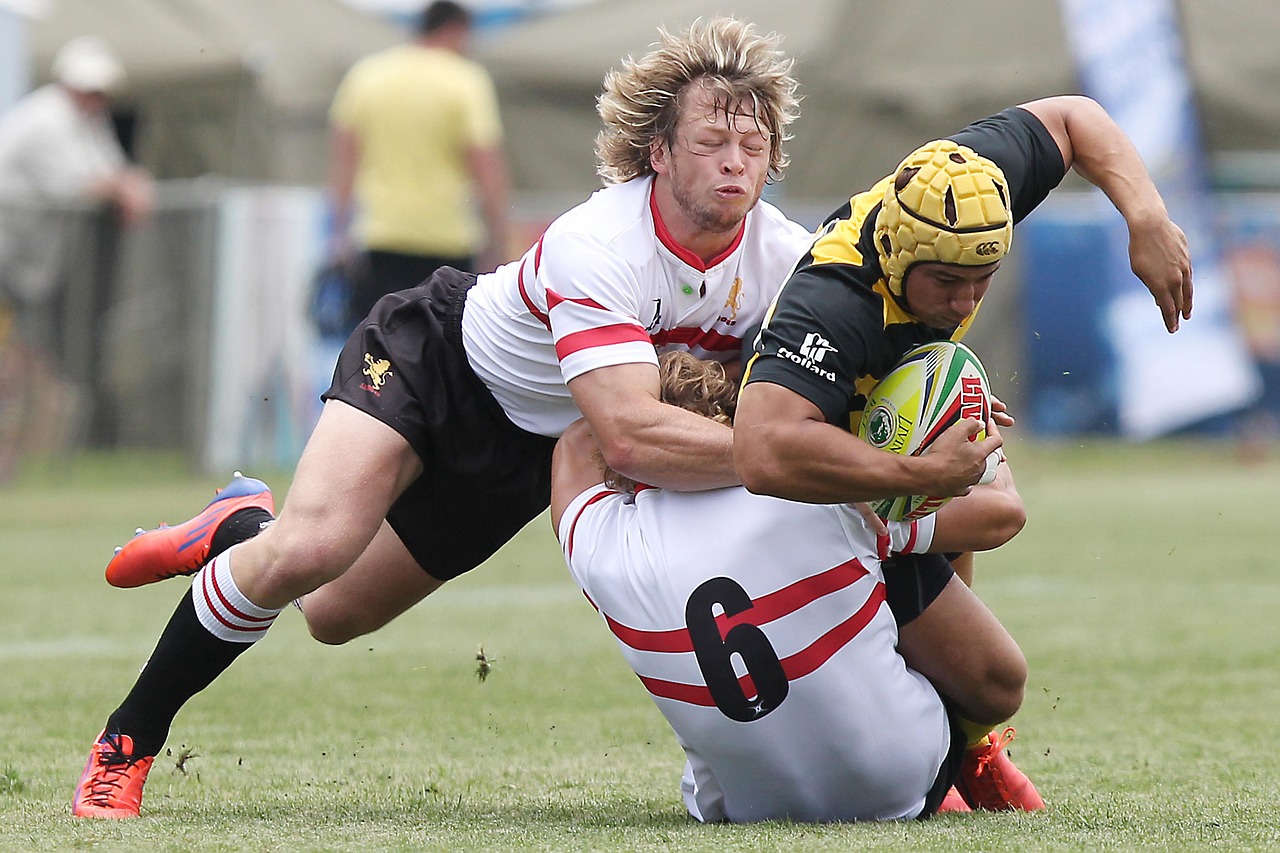

Mental Preparation Techniques to Amplify Explosive Power in Rugby Forwards
In rugby, explosive power is essential, especially for forwards. Explosive power enables players to perform quick, powerful movements essential for scrummaging or covering distances quickly. One vital aspect is mental preparation. Mental techniques can significantly enhance performance on the field by fostering better focus and confidence. Visualization, for instance, can improve reaction times and movement efficiency. By envisioning success in their plays, forwards can boost both psychological readiness and physical capability. Moreover, maintaining a positive mindset is crucial. Positive affirmations can help players counter negative thoughts derived from previous failures in matches. Balancing mental and physical training ensures that forwards not only have the physical attributes but are also prepared psychologically for challenges. Athletes should incorporate specific drills to train their mental aspects alongside their physical training routine. Techniques such as goal setting and mindfulness can enhance their awareness on the field. Furthermore, appropriate mental conditioning can help manage performance anxiety efficiently. Overall, integrating mental preparation into training can provide forwards with a competitive edge on the rugby field and enhance their explosive power during crucial moments in matches.
To build explosive power in rugby forwards, athletes must prioritize strength and conditioning. Progressive resistance training supports muscle growth, which directly contributes to explosive power development. Key exercises such as squats, deadlifts, and box jumps are integral. These movements mimic the explosive actions performed during a match. However, mental preparation should accompany physical conditioning. Utilizing sports psychology techniques can optimize these training efforts. For instance, maintaining a focused mindset while training enhances the neurological adaptations that contribute to power. In contrast, distractions can impair physical performance. Thus, integrating cognitive strategies into workouts will yield better results in explosive power generation. Additionally, developing resilience through challenging mental exercises can significantly impact performance. Techniques like breathing exercises help players remain composed under pressure, enabling them to harness peak explosive power when needed most. Players should also practice mental rehearsal before games, allowing them to envision techniques and explosive movements. This practice aligns with developing muscle memory and enhances real-time execution in high-pressure game situations. Finally, leveraging feedback from coaches during training sessions can offer insights into mental strengths and areas needing improvement, reinforcing confidence in their explosive capabilities.
The Role of Visualization Techniques in Training
Visualization techniques serve as a powerful tool for athletes aiming to enhance explosive power. By mentally rehearsing specific movements related to explosive actions, players can refine their technique and improve their performance. Visualization helps in creating a mental blueprint of each play executed during a match. Rugby forwards can benefit from this approach by visualizing successful scrummaging, breaking tackles, or sprinting effectively. This form of mental training also fosters confidence, as athletes picture themselves succeeding in various scenarios. Furthermore, consistent practice of visualization can significantly improve an athlete’s focus and attention during games. However, the effectiveness of visualization procedures depends heavily on how vividly it is practiced. Athletes are encouraged to engage all senses, making each mental image as realistic as possible. This engagement allows players to rehearse movements even when off the field. Moreover, incorporating benchmarks and mental scenarios during visualization practices can help in tracking progress. Overall, robust use of visualization techniques not only prepares players mentally but also complements physical training, fostering explosive power directly during matches.
Goal setting is a critical mental preparation technique for rugby forwards seeking to amplify explosive power. Setting clear, achievable objectives creates a framework for consistent progress. Goals should be Specific, Measurable, Achievable, Relevant, and Time-bound (SMART). By aligning training efforts with their goals, athletes create motivation and accountability in their workouts. For instance, a forward may set a goal to increase their squat weight by a specific percentage within a defined timeframe. This presents a focused target for explosive strength development. Additionally, rewarding oneself upon reaching these objectives can reinforce positive behavior and encourage continued effort. Short-term goals can also act as stepping stones toward long-term aspirations, facilitating sustained motivation. Further, visualization of achieving these goals helps players envision success, improving psychological readiness. Consistently reviewing and adjusting goals based on performance evaluations is necessary. This practice prevents stagnation and keeps athletes engaged. Overall, incorporating goal-setting strategies into training grants rugby forwards a targeted approach, allowing them to channel their efforts effectively towards enhancing explosive power on the field.
Mindfulness and Its Benefits in Explosive Power Training
Mindfulness practices can significantly influence explosive power training for rugby forwards. Mindfulness involves maintaining awareness and presence in the moment, providing insight into physical and mental responses during training. By embracing mindfulness techniques, athletes can cultivate a better connection between mind and body, crucial for peak performance. Regular mindfulness training improves focus during exercises and competition, allowing players to maximize their physical capabilities. This mental sharpness enables forwards to execute explosive maneuvers effectively under pressure. Techniques such as breath control help stabilize anxiety levels, rendering players calmer during matches. Furthermore, mindfulness promotes recovery, as it supports mental relaxation post-intense training sessions. By dedicating time to mindfulness exercises, forwards can clear mental clutter and prepare themselves for optimal performance. Additionally, integrating mindfulness during practice can improve reaction times and decision-making skills in real-time situations on the field. It cultivates resilience and adaptability, crucial traits in a physically demanding sport like rugby. Therefore, incorporating mindfulness into explosive power training routines will elevate mental preparation while enhancing overall effectiveness and performance during games.
Networking within the rugby community can also assist forwards in enhancing explosive power. Surrounding oneself with like-minded athletes encourages information sharing and motivation. Engaging with peers allows athletes to share training experiences and gain different perspectives on mental preparations. Discussing techniques among teammates can inspire new strategies for personal training regimens. Furthermore, participating in workshops or seminars focused on mental preparation can expand knowledge regarding sports psychology, providing valuable insights. Exploring literature and case studies relevant to explosive power enhancements will keep players informed of innovative training methods. Networking with experienced professionals offers developing insights into effective mental strategies that athletes could implement. Accountability within a network ensures that players stay committed to their mental preparations as they seek to amplify their explosive power. Promotional events or team-building activities can foster camaraderie and encourage practice in positive environments. Interactions within the rugby community can also boost morale, creating a support system vital during tough training periods. Ultimately, establishing these relationships plays an essential role in amplifying their training results.
Implementing Feedback for Continuous Improvement
Continuous improvement is vital in developing explosive power for rugby forwards, and obtaining feedback plays a significant role. Constructive criticism from coaches during training sessions helps athletes identify strengths and areas for improvement. This feedback not only aids in technical refinement but also supports mental preparation. Understanding where they excel builds confidence in their explosive capabilities, while identifying challenges helps to instigate focused, targeted training sessions. During feedback discussions, athletes can express their thoughts and feelings regarding mental preparation strategies. By sharing insights about their psychological readiness, forwards can work collaboratively with coaches to develop tailored plans. Additionally, self-reflection is another key component of this process. Taking the time to assess performance after matches allows players to draw conclusions about their explosive power execution. Journaling experiences can serve as a valuable tool in noting down observations and emotions related to performance. This documentation fosters greater awareness and understanding of individual responses to situations. Ultimately, creating an environment where feedback is valued and utilized leads to the enhancement of explosive power and overall performance on the rugby field.
In conclusion, mental preparation techniques are critical to amplifying explosive power in rugby forwards. Each technique, from visualization to mindfulness and goal setting, complements physical training, enriching overall development. Incorporating these strategies ensures a holistic approach to performance enhancement. The dynamic nature of rugby demands a firm understanding of both mental and physical components. As players embrace these techniques, they cultivate a proactive mindset and foster resilience. This practice not only elevates their game performance but also increases confidence and focus throughout their training journeys. Furthermore, it’s imperative for forwards to engage with peers, share experiences, and learn collaboratively. This community fostering creates continual growth and empowerment among players. With ongoing feedback and revision of training strategies, athletes can adapt and thrive in challenging environments. Each mental preparation technique builds on the other, creating a robust framework for enhancing explosive power. Therefore, integrating these preparations will provide rugby forwards with a significant competitive advantage on the field. Ultimately, the synthesis of mental strength and explosive physical capability leads to improved performance in every aspect of the game, making mental preparation indispensable for every forward aiming to excel.