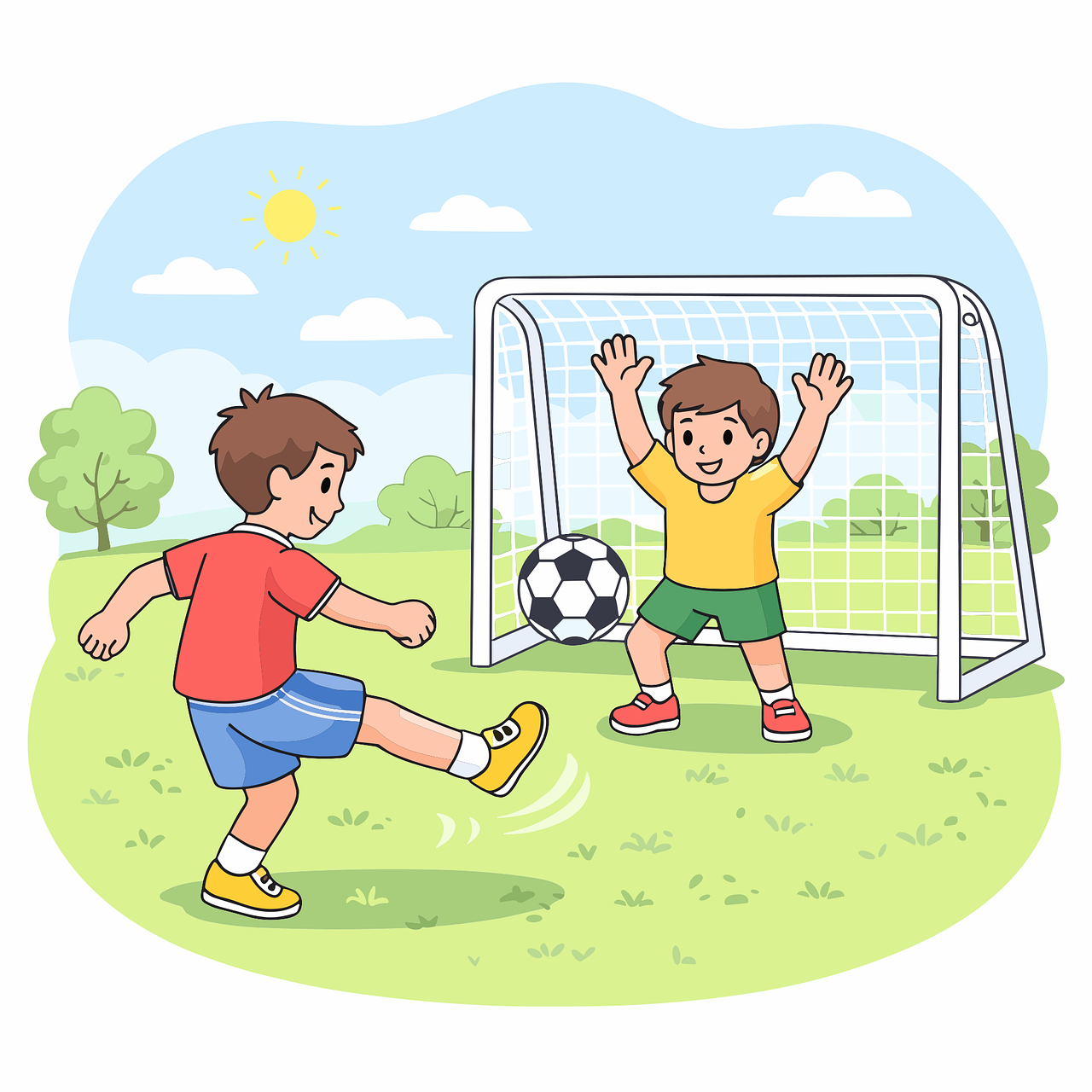

Physical Activity in Children: Promoting Healthy Development
Physical activity is crucial for the healthy development of children, impacting their physical, cognitive, and emotional well-being. Engaging in regular exercise helps build strong bones and muscles while also promoting a healthy weight. Furthermore, it enhances cardiovascular fitness, which is vital for maintaining health over a lifetime. In addition to physical benefits, participation in physical activities helps develop motor skills and coordination. Children who engage in active play are also more likely to develop a positive attitude towards physical fitness. Developing a routine that incorporates various activities can be both enjoyable and beneficial for children. Parents and caregivers can encourage this by providing age-appropriate options such as biking, swimming, or fun sports. The use of structured programs in schools can also serve as a great way to ensure that kids are engaging in regular physical activity. Beyond the immediate benefits, early involvement in sports can lead to lifelong habits of healthy living. Social interactions during sports activities also contribute to important life skills, like teamwork and leadership. Thus, promoting regular physical activity should be a priority for families, educators, and communities alike, nurturing children’s health and well-being.
Children’s physical activity levels can be influenced by various factors, including parental involvement, available resources, and cultural attitudes towards exercise. Parents play a significant role in establishing healthy habits by acting as role models. When parents actively participate in physical activities, children are more likely to emulate these behaviors. Access to parks, recreational facilities, and safe environments is crucial in providing opportunities for children to be active. Communities should aim to enhance access to these resources to foster a culture of physical engagement. Moreover, schools that prioritize physical education in their curricula equip students with essential skills and knowledge about staying active. Integrating fun and engaging programs in schools can inspire children to take part and develop healthy habits. Additionally, cultural perceptions of physical activity can significantly impact children’s choices. In some communities, certain sports may be favored over others, potentially limiting children’s exposure to diverse activities. It is essential to educate families about the benefits of various forms of exercise to promote inclusivity. Collectively, these efforts from parents, communities, and educational institutions help create an environment fostering lifelong physical activity among children.
The Role of Schools in Encouraging Activity
Schools serve as vital venues for promoting physical activity among children. By incorporating structured physical education classes, schools can provide students with the skills and knowledge needed to engage in various sports and fitness activities. These classes not only improve students’ physical health, but also enhance their social skills, discipline, and teamwork abilities. Moreover, schools can create a holistic environment by promoting after-school sports teams and clubs, encouraging students to participate in physical activities beyond the classroom. Extracurricular programs can offer opportunities for children of all skill levels to engage in sports, which helps foster a sense of belonging and community. Schools can also collaborate with local organizations to develop initiatives that promote physical health. For instance, community events that include family-friendly activities can unite families and encourage healthy lifestyle choices. By focusing on creating an inclusive atmosphere, schools can help children from diverse backgrounds appreciate the importance of physical activity. Educators can also incorporate technology, such as fitness apps and devices, to track progress and motivate students to remain active. All these initiatives can significantly influence children’s attitudes towards exercise and overall well-being.
Parents and caregivers can play an essential role in nurturing physical activity in children. One effective strategy is to establish family routines that prioritize active playtime. Whether it’s a weekend hike, a game of soccer in the backyard, or a simple bike ride, family involvement during activities fosters a love for exercise among children. Moreover, engaging in these activities allows for creating meaningful family bonds while emphasizing the importance of a healthy lifestyle. It’s vital for parents to keep the activities fun and varied to maintain children’s interest and enthusiasm. Introducing new sports or games regularly can spark excitement and prevent boredom. Additionally, setting achievable goals and celebrating progress can be motivating for children, making them feel accomplished. When caregivers encourage children to invite friends to participate in activities, socialization becomes an additional incentive for staying active. Limiting screen time also promotes physical engagement, as children are encouraged to seek out outdoor play and physical hobbies. Overall, parents who actively support and engage in their children’s physical activities cultivate a positive attitude toward health and wellness, which can last a lifetime.
Benefits of Physical Activity for Children
Regular physical activity offers a multitude of benefits for children’s development and overall well-being. Firstly, engaging in exercise improves physical health by enhancing cardiovascular fitness, increasing strength, and supporting healthy weight management. Moreover, exercise releases endorphins which elevate mood and alleviate stress, positively impacting mental health. Children who are physically active often exhibit enhanced cognitive functions, which include improved concentration and better academic performance. Additionally, participating in various sports can teach children essential life skills such as teamwork, discipline, and goal-setting. These skills are transferable and contribute to personal and professional success later in life. Children involved in sports activities often make lasting friendships, which is crucial for emotional well-being. Furthermore, regular exercise can establish healthy habits that persist into adulthood, significantly reducing the risk of chronic diseases. Encouraging physical activity during childhood is, therefore, an investment in children’s future health. It promotes not only physical fitness but also mental resilience, emotional stability, and social connections. Cultivating an active lifestyle during childhood lays a foundation for lifelong wellness, helping children grow into healthy, well-rounded adults.
Incorporating physical activity into a child’s routine can start early and evolve as they grow. Infants and toddlers benefit from engaging in activities that promote movement and coordination, such as crawling, walking, and playing. As children progress to preschool and elementary school, parents can introduce more structured activities like sports or dance. These activities not only enhance physical capabilities but also promote social interactions and cognitive development. It’s essential to maintain a balance between organized sports and unstructured play, allowing children to explore and have fun with their peers. As children reach adolescence, their interests may shift, leading to different preferences for physical activities. Teens should be encouraged to find activities they genuinely enjoy, making them more likely to remain active. It’s important to provide a variety of options that encompass both individual and team sports during this stage. Supporting children in discovering new interests can significantly influence their lifelong commitment to physical fitness. Additionally, fostering a positive, encouraging environment helps children develop confidence and self-efficacy, crucial attributes for maintaining an active lifestyle throughout their lives. The journey toward promoting physical activity should be inclusive and adaptive.
Challenges and Solutions in Promoting Activity
Despite the importance of physical activity for children, various challenges impede participation levels. One significant barrier is the increasing prevalence of sedentary lifestyles, often driven by technology and screen time. Many children are drawn to video games and mobile devices, leading to decreased outdoor playtime and physical engagement. Additionally, limited safe spaces for children to play, such as parks or playgrounds, can restrict opportunities for physical activity in communities. To counter these challenges, parents, schools, and communities must collaborate to create and maintain accessible environments for active play. Initiatives aimed at reducing screen time can also play a crucial role. For instance, implementing ‘screen-free’ days or hours can encourage children to engage in physical activities instead of staying indoors. Educational campaigns can raise awareness about the importance of regular exercise and encourage families to prioritize physical fitness as a vital element of children’s health. Local governments can also facilitate the development of safe recreational spaces that promote activity. By tackling these barriers with proactive solutions, communities can foster a culture that values and prioritizes physical activity for children, leading to healthier generations.
To conclude, promoting physical activity in children is essential for their overall development and health. The collective efforts from parents, schools, and communities are crucial in nurturing an environment that facilitates active lifestyles. It is vital for adults to understand the lifelong benefits of physical fitness and actively participate in children’s activities, setting positive examples for future generations. Regular exercise plays a crucial role in maintaining physical health, boosting mental well-being, and fostering social skills. By addressing barriers, creating inclusive practices, and motivating children towards exercise, everyone can contribute to promoting a healthier society. Working collaboratively, families can instill values of health and wellness, paving the way for children’s success both physically and emotionally. Schools have a pivotal role in this collaboration, integrating physical activity within their educational frameworks and promoting various sporting opportunities. Continually advocating for physical activity not only supports children’s health but also builds resilience and life skills. As a community, efforts should be united in raising awareness about the importance of physical engagement. Ultimately, prioritizing physical activity lays a strong foundation for children’s bright futures, ensuring they lead healthy, fulfilling lives.