
Preparing for Your First OCR Training Camp: Essential Tips
If you’re preparing for your first obstacle course racing (OCR) training camp, you’re in for an exciting journey. These camps offer a unique opportunity to enhance your strength, agility, and overall fitness while enjoying the camaraderie of fellow enthusiasts. It’s essential to approach this experience with the right mindset and preparation measures. Start by researching various camps to find the one that fits your skill level and goals. Look out for reviews and recommendations from past attendees to ensure that you choose a reputable camp. When you select a camp, consider its location and amenities as they greatly influence your overall experience. To help you get the most from your OCR training, make sure that you pack appropriately. Bring essential gear including running shoes with grip, comfortable clothing, energy snacks, and a durable water bottle. Staying hydrated is crucial, especially during intense training sessions. Remember to also prepare for varied weather conditions since OCR training can occur in diverse environments. Attention to your fitness level before attending is very important to ensure you’re ready for the challenges ahead, so start training well in advance.
One of the critical aspects of OCR training camps is teamwork and community support. You’ll often find that building relationships with fellow campers can enhance your experience tremendously. Forming bonds with others will not only foster encouragement but also create lifelong friendships. Engaging in group workouts can boost your motivation and keep spirits high during challenging workouts. Observe and learn from more experienced participants; they often have invaluable tips and tricks. Sharing insights with your peers can lead to a greater understanding of techniques and strategies that contribute to success in races. People at camps tend to be supportive, so don’t hesitate to ask questions or seek advice. Additionally, you can improve your skills through mentorship opportunities available at these camps. Many seasoned athletes are eager to share their experiences and knowledge, which can improve your performance significantly. Contributing to others in this supportive environment will also enhance your own learning experience. Networking within the OCR community can open doors to future opportunities, and you might discover local races or additional training programs to pursue beyond the camp.
Setting Goals for Your OCR Training
Setting clear goals for your OCR training camp will help you stay focused and motivated. Determine what you wish to accomplish during your time at camp, whether it’s improving your speed, mastering certain obstacles, or simply enjoying physical activity with like-minded individuals. Clearly defined goals can keep you committed to your training regimen and help in tracking your progress afterward. To make your goals more effective, utilize the SMART criteria: Specific, Measurable, Achievable, Relevant, and Time-Bound. Create a balance between ambitious goals and realistic outcomes to avoid frustration. Consider breaking larger goals into smaller, manageable milestones that can be accomplished throughout your training. Documenting your achievements will motivate you to keep pushing forward. Include your goals in a journal where you can also track your workouts and experiences during the camp. Having a tangible reference can serve as a reminder of the progress you’ve made, setting the stage for sustained improvement. Make sure to celebrate your achievements with fellow campers, as sharing successes can strengthen your bonds and enhance morale in the group.
Nutrition plays a vital role in your performance and recovery during OCR training camps. Proper fuel is crucial for maintaining energy levels during rigorous activities, so be mindful of your diet leading up to the camp. Plan meals rich in carbohydrates, proteins, and healthy fats to support your training regimen. Focus on nutrient-dense foods such as fruits, vegetables, nuts, and whole grains, which can provide lasting energy. Hydration is equally important, especially when subjected to physical demands in potentially hot or humid conditions. Keep hydrated before, during, and after training sessions; dehydration can hinder performance and increase the risk of injuries. Bring snacks that are easy to consume and provide quick energy boosts, like energy bars or dried fruits. Post-workout recovery is equally important, so don’t underestimate the power of rest and proper nutrition after training sessions. Invest in adequate protein to support muscle repair and growth after strenuous workouts. Join in bonding meals with fellow campers to learn about nutrition in context, sharing tips and recipes that enhance your culinary skills as well.
Embracing Challenges and Overcoming Fear
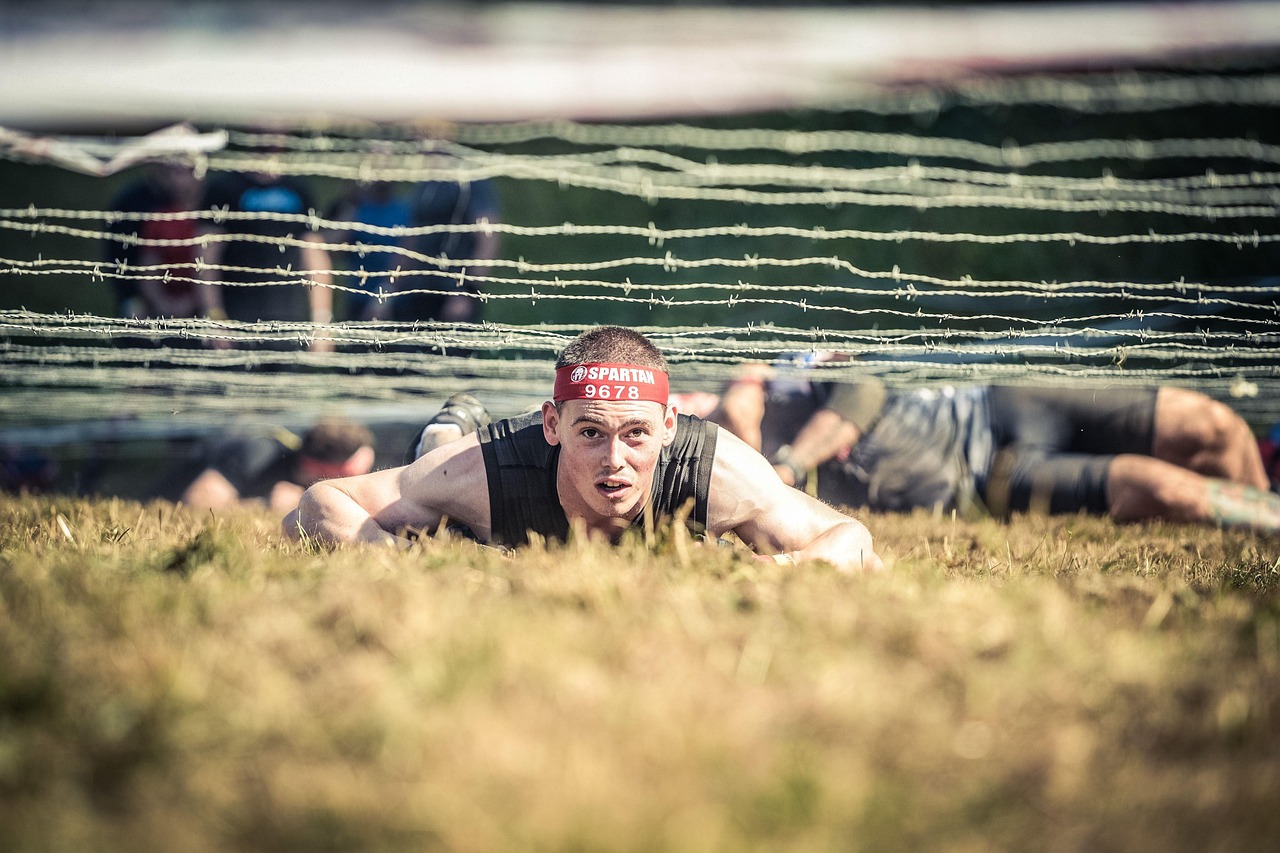
OCR training camps often feature challenging obstacles that can initially seem daunting. However, embracing discomfort is key to personal growth in any training environment. View these challenges as opportunities to push your limits and develop resilience. Many participants encounter fears around particular obstacles like wall climbs, rope swings, or muddy crawls; confronting these fears head-on can build confidence. As you face these challenges, remember to employ sound techniques to overcome them. Learning proper form and strategy from instructors or experienced campers can make challenging obstacles manageable. Break down each obstacle into smaller steps, as focusing on achievable milestones can reduce anxiety and improve performance. Celebrate small victories with your group; recognizing accomplishments boosts morale and motivation. After all, everyone at the camp is there to face their fears together. Additionally, employ visualization techniques to imagine success while approaching each obstacle. This mental preparation can improve your confidence and enhance overall performance during challenges. By nurturing a positive mindset, you will not only overcome obstacles in training but also develop a greater sense of resilience.
Recovery is an essential part of training that should not be overlooked during OCR training camps. Intense physical activity can lead to fatigue and potential injuries without adequate rest and recovery practices. Prioritize sleeping well each night to allow your body to recover and regain energy. Use stretching exercises or yoga to improve flexibility and prevent muscle tightness. Consider scheduling recovery sessions into your overall training plan, incorporating cool-downs after workouts and active recovery days with lighter activities. Foam rolling and massage can also be useful techniques to alleviate soreness and tension after strenuous sessions. Ensuring your body is well-rested and recovered aids in performance improvement across the camp duration. Discuss recovery strategies with fellow campers and instructors who can share their methods for optimal recovery. Tracking your fatigue levels and adjusting your training intensity accordingly can also help mitigate overtraining risks. As recovery is usually a group endeavor in OCR camps, finding a community that values it equally is beneficial for adherence to wellness practices. Recovery will allow you to maximize your training potential and emerge stronger, ready for any OCR challenges ahead.
Continuing Your OCR Journey Beyond Camp
After completing your OCR training camp, your journey doesn’t need to end there. Utilize the skills learned and relationships formed during the camp to continue growing in the OCR community. Explore local races or events, as these can provide further motivation and performance measurement opportunities. By staying engaged, you can maintain your physical conditioning and prepare for upcoming challenges, paving the way for your development as an OCR athlete. Set new goals as you transition back to your regular training routine, keeping the momentum from the camp alive. Consider creating a training schedule that incorporates the lessons learned and practices adopted at camp. Connecting with fellow campers through social media or training groups can help maintain accountability and support. The connections forged during camp can open up opportunities to train together, share experiences, or even join in on race teams. Establish an ongoing commitment to your training and improve your skills through organized group outings. Remember that every day can present new challenges in OCR; approach each with the same enthusiasm you embraced during camp.
The journey of becoming an OCR athlete is continuous, and attending a training camp is merely the beginning. Use the invaluable experiences gained during the camp as a foundation for your future. Regular training using the techniques and skills learned will not only keep you sharp but will also foster confidence. Sharing your journey within the OCR community can encourage others to take on similar endeavors. Additionally, consider periodically revisiting camps to refresh knowledge and experience, plus learn from new trainers and participants. The landscape of obstacle racing continuously evolves, providing fresh challenges and insights that can benefit your growth. Helping others who are new to OCR can also strengthen your understanding by teaching concepts you’ve mastered. Use your experiences to mentor those just starting their OCR journey. Your own growth can inspire others and create a nurturing environment in the OCR community. Approach every training opportunity with enthusiasm, determination, and an open mind, and you will undoubtedly continue to excel as an OCR athlete. Engage actively in competitions and training environments that excite you, push your boundaries, and ultimately pave the way for your obstacle racing aspirations.