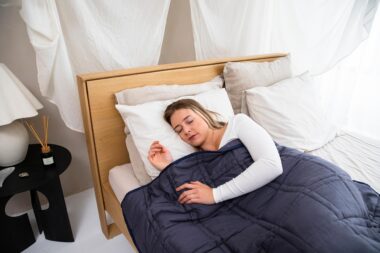

Understanding Sleep Hygiene
Sleep hygiene refers to a series of practices and habits that are conducive to sleeping well on a regular basis. Proper sleep hygiene is fundamental for athletes looking to optimize their performance. Establishing a routine that encourages quality sleep is crucial. Start with a consistent sleep schedule; go to bed and wake up at the same time every day, even on weekends. This consistency helps regulate your body’s internal clock, promoting better sleep. Create a relaxing bedtime ritual, such as reading a book or taking a warm shower. Limit exposure to screens an hour before bed, as the blue light emitted can interfere with melatonin production, making it harder to fall asleep. Your sleep environment also matters; keep your bedroom dark, quiet, and cool to facilitate restful sleep. Consider using blackout curtains, eye masks, or earplugs if needed. Investing in a comfortable mattress and pillow tailored to your preferences can also improve the quality of your sleep, aiding recovery and enhancing athletic performance in the long run.
The Role of Nutrition
The food you consume plays a significant role in sleep quality. For athletes focused on enhancing their performance, a well-balanced diet, particularly in the evening, can foster better sleep. Aim for a dinner that combines proteins, healthy fats, and complex carbohydrates. Foods like turkey, nuts, and whole grains contain tryptophan and magnesium, naturally enhancing your sleep. Avoid heavy, rich foods just before bedtime, as they can disrupt sleep by causing discomfort and indigestion. Pay attention to your fluid intake as well; while staying hydrated is vital, consider limiting fluids close to bedtime to prevent nighttime awakenings. Additionally, caffeine can significantly affect your sleep. It is advisable to avoid caffeine several hours before bedtime as it can remain in your system longer than one might think. Alcohol, although initially relaxing, can disrupt your sleep later in the night, leading to less refreshing sleep. Monitor your alcohol intake, particularly before bed. Remember, the combination of nutrition and sleep hygiene can profoundly affect your overall athletic performance and recovery.
The Importance of Relaxation Techniques
Incorporating relaxation techniques into your nightly routine can significantly enhance your sleep quality. As an athlete, dealing with the pressures of competition, training, and recovery can create stress, impacting your sleep negatively. Try deep-breathing exercises or progressive muscle relaxation to calm your mind before bed. Yoga or mindful stretching can also prepare your body for a restful night, easing tension in muscles and alleviating stress. Meditation has been proven to be effective in reducing anxiety and improving sleep. Apps and online resources can guide you through meditation practices tailored for relaxation and sleep preparation. Aromatherapy is another technique to consider; essential oils such as lavender or chamomile may induce relaxation and signal to your body that it is time to wind down. Creating a tranquil environment with soothing scents enhances your evening routine. These practices not only promote better sleep but also contribute to improved athletic recovery and performance. Adopting a holistic approach that incorporates relaxation techniques into your nightly routine is essential for maximizing sleep benefits.
Limiting Stimulants and Blue Light
One key aspect of sleep hygiene for athletes is the management of stimulants and blue light exposure. As mentioned, caffeine and nicotine can interfere with your ability to fall asleep. In many people, these substances can stay in the system for hours, hence it’s vital to avoid them during the evening hours or even earlier based on personal sensitivity levels. Instead, consider herbal teas or other calming beverages to wind down. Additionally, blue light from electronic devices can greatly impact sleep quality, making it difficult to fall asleep on time. To combat this, establish a digital curfew, turning off devices at least one hour before bed. Transitioning into a blue-light-free zone allows your brain to prepare for sleep. For unavoidable usage of screens, consider using blue light filters or specialized glasses that block blue light. Furthermore, dimming indoor lighting in the evening can help signal to your body that it’s time to prepare for rest. These adjustments not only improve sleep but can also enhance your training outcomes significantly.
Creating the Perfect Sleep Environment
Your sleep environment is crucial for achieving restful sleep, especially for athletes. A great sleep space should be cool, quiet, and dark. The ideal temperature for sleep is generally between 60-67 degrees Fahrenheit. To maintain this, consider investing in a fan or air conditioning if needed. Sound and light can be major disruptors of sleep; therefore, blackout curtains or eye masks can be effective in blocking light from outside. Additionally, using a white noise machine or earplugs can drown out distracting noises. The choice of bedding also greatly influences your sleep quality. Opt for a mattress and pillows that provide optimal support for your sleeping style. Whether you are a back, side, or stomach sleeper, your bedding should help maintain alignment for your spine. Personal comfort varies, so take the time to find what feels best for you. Customizing your sleep environment not only promotes better sleep hygiene but also contributes significantly to faster recovery and improved performance in your athletic endeavors, directly enhancing overall health and wellbeing.
Establishing a Consistent Sleep Routine
A consistent sleep routine is paramount for athletes. By training your body to adhere to a reliable sleep schedule, you can optimize recovery and fitness gains significantly over time. Set a specific bedtime that allows you to get the recommended 7-9 hours of sleep, which is critical for recovery and performance-enhancement. Conduct a pre-sleep routine that incorporates relaxing activities to signal your body that it’s time to wind down. This could involve reading a physical book, journaling, or practicing stretching exercises. Try to rise and go to sleep at consistent times. Avoid the temptation to sleep in excessively on weekends; little variations can disrupt your sleep cycle, leading to feelings of fatigue throughout the week. If you find yourself awake during the night, refrain from checking your clock as this can lead to spiraling thoughts about insufficient sleep. Instead, remain calm and use relaxation techniques to help encourage sleep. Furthermore, utilize each sleep cycle to maximize the benefits of deep sleep, which is where most recovery occurs. Consistency is key to unlocking your best performance.
Monitoring Sleep Quality
Monitoring your sleep quality is an essential component to effective sleep optimization. As an athlete, understanding how well you sleep can help identify patterns and areas for improvement. Consider using a sleep tracking device or a smartphone app that can gather data on your sleep cycles and disturbances throughout the night. This information can help assess if you are obtaining sufficient deep and REM sleep, both critical for recovery. Keep a sleep journal to jot down your experiences; note direct correlations between your training intensity, diet, and sleep quality. Look for trends and patterns that you can then address actively. Change can come from simple adjustments based on the data collected over time. Discuss findings with sports professionals or sleep specialists who can offer tailored guidance. Use the insights gained to tweak your evening routine and environmental settings for optimal sleep conditions. By actively engaging in this monitoring process, you can take significant strides toward improving your sleep, enhancing your recovery, and ultimately elevating your athletic performance.
Conclusion on Sleep Hygiene
In conclusion, optimizing sleep hygiene is vital for athletes aiming to maximize their fitness gains. Integrating the strategies discussed can lead to better sleep quality, resulting in enhanced recovery and improved athletic performance. Understanding the significance of creating the right sleep environment, maintaining a consistent sleep schedule, and practicing relaxation techniques are all critical. Furthermore, paying attention to your nutrition, limiting stimulants, and monitoring your sleep can provide insights that bolster performance. Taking the initiative to make these small changes can lead to significant impacts on overall health and wellness. As an athlete, prioritizing sleep hygiene may very well be one of the most beneficial adjustments you make for continued success in your athletic endeavors. Every athlete deserves the opportunity to reach their peak potential, and establishing healthy sleep habits is foundational for that journey. Implement these tips into your routine with dedication and your body will thank you with enhanced performance. Start today and witness how optimal sleep hygiene can transform your training and recovery for the better.