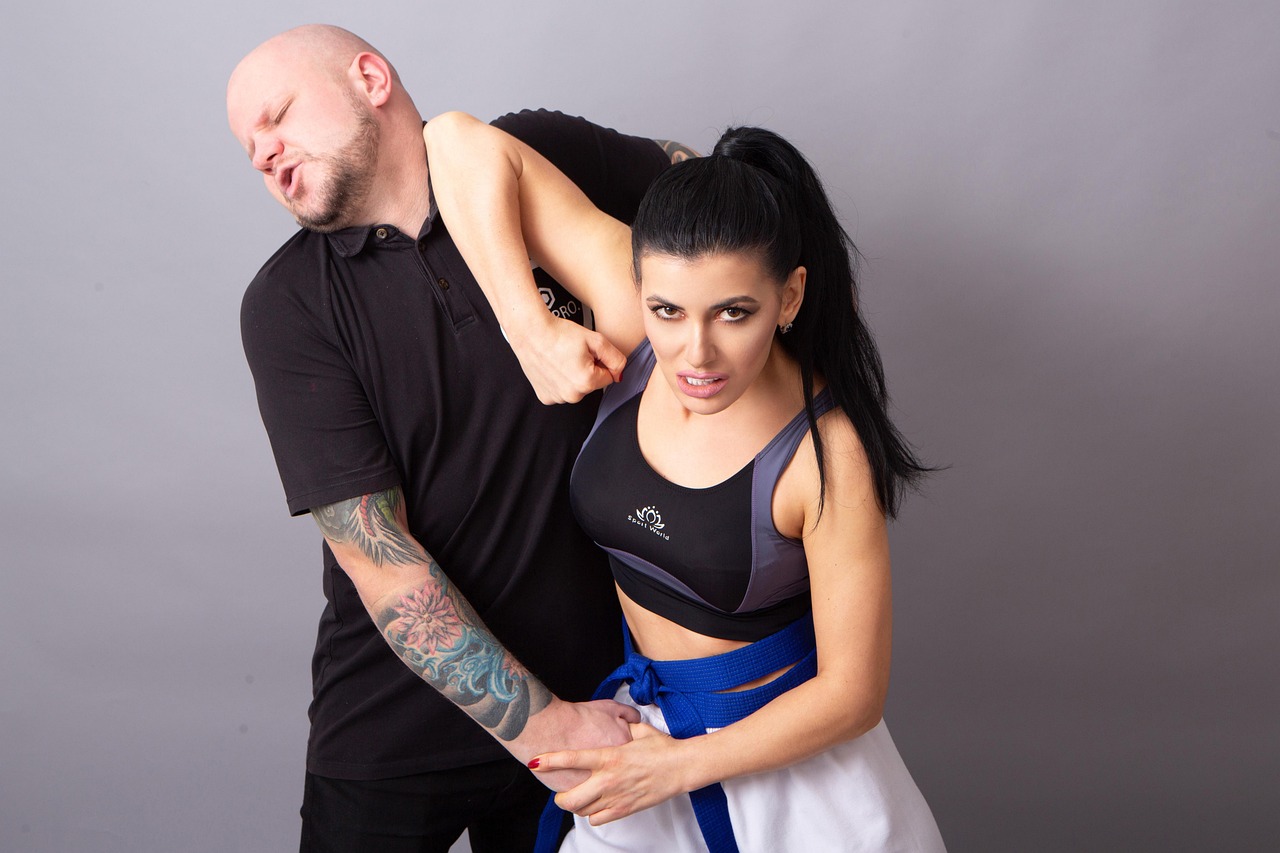

Top Strategies to Excel in Self-Defense Competitions
Participating in self-defense competitions can be a thrilling yet challenging experience. These events require specific strategies to excel, enhancing both your technique and mental approach. First and foremost, understanding the format of competitions is crucial. Familiarize yourself with the rules and structure of your chosen events to prepare effectively. This includes knowledge of scoring methods, match duration, and acceptable techniques to defend and counterattack. Additionally, mental preparation should not be underestimated. Developing a strong mindset will help you remain focused and relaxed during competitions. Practicing visualization techniques can significantly improve your confidence and performance. Moreover, adaptability is essential. In competitions, you may face diverse opponents with various styles and tactics. Train in multiple disciplines and techniques to better adapt to unexpected situations. Finally, consider participating in sparring sessions with different partners regularly to refine your skills. This will prepare you to react quickly and effectively. By incorporating these strategies, you can significantly enhance your performance, make the most of your training, and ultimately increase your chances of success in self-defense competitions. Stay committed and enjoy the journey!
Another vital aspect of succeeding in self-defense competitions is honing your physical conditioning. Dedicate time to improve strength, endurance, and flexibility. Resistance training can enhance your power and stability, while cardiovascular exercises boost your overall endurance. A balanced workout routine focusing on these areas will prepare your body for the demands of competition. Additionally, training should include drills that mimic competition scenarios. Incorporating partner drills or timed sparring can simulate the pressures of a real match, allowing for better preparation. Focus on perfecting techniques that suit your individual style. Mastering fundamental skills, such as footwork and striking, will provide a solid base to build upon. Moreover, understanding and developing your unique strengths can give you an advantage over others. Analyze your performance regularly to identify areas requiring improvement and adjust your training accordingly. It is advisable to record your sparring sessions and analyze them for insights. Seek feedback from coaches or experienced competitors for helpful advice as well. Remember, continuous learning and growth are vital to your long-term success in self-defense competitions. Persistently working on these elements will aid in achieving your goals and maximizing your performance.
In addition to physical training, strategic planning plays an essential role when it comes to excelling in self-defense competitions. It is crucial to analyze your opponents in advance if possible, recognizing their fighting style and preferred techniques. This enables you to develop a tailored game plan for each match. Utilize this information to determine what techniques or strategies will work best against specific opponents, increasing your chances of winning. While developing this strategy, you should practice staying calm and composed, applying your techniques efficiently. Implementing feints or setting traps can be effective ways to throw your opponents off guard. Creating a strong defensive game is equally important to prevent being exploited. Developing reflexes and defensive skills through consistent practice will significantly magnify your effectiveness in competition. Another critical aspect of strategic planning involves time management. During competitions, knowing when to execute specific techniques can be the difference between success and failure. Therefore, understanding your energy levels and pacing your efforts throughout the match is necessary. Combine these tactics into your overall competition preparation to ensure a comprehensive approach. Ultimately, success is achieved through focused effort, strategic foresight, and a well-rounded skillset.
Enhancing Technical Skills
Focusing on enhancing your technical skill set is fundamental to excelling in self-defense competitions. The foundation of any self-defense technique lies in proper execution, which directly influences your performance. Train regularly to refine your moves, emphasizing precision and control. Perfecting basic techniques allows for more advanced moves to be performed more smoothly during competitions. Incorporate various self-defense styles from different martial arts disciplines to expand your repertoire significantly. Styles such as Brazilian Jiu-Jitsu, Judo, and Krav Maga can offer unique approaches to various situations you may face. Diversifying your skill set enhances adaptability against opponents, as you become proficient in several techniques that work effectively across different scenarios. Focus on specific scenarios that typically arise during competitions. Practicing techniques in controlled environments with partners helps replicate real conditions, providing insights into optimal strategy execution. Regularly reviewing successful matches or sparring sessions can yield improvement opportunities. Reflect on your matches and pinpoint successful techniques to incorporate into your training routine. Mastery of these elements elevates your capability and advantage in various competition situations, making you a formidable competitor.
An equally important factor in achieving success within self-defense competitions is cultivating a supportive training environment. Surrounding yourself with dedicated practitioners who are also committed to improvement will enhance your overall learning experience. Consider integrating peers into your training sessions, creating impactful practice through cooperative learning. Training with diverse partners introduces new ideas, techniques, and perspectives that challenge your current abilities. Establishing a sense of community promotes camaraderie among competitors and encourages healthy competition, enabling everyone to grow. Mentors or experienced coaches can offer invaluable insights and guidance throughout your training journey. Their wealth of experience can provide new techniques or adjustments to current methods that could facilitate greater efficiency in movement or execution. Regular feedback and encouragement will bolster your training motivation and it can also build confidence in your skills. A strong support system adds to your overall mental resilience during competitions. Engaging with fellow participants, attending workshops, and participating in seminars will build connections and cultivate lasting friendships as well. This collaborative approach enriches the training journey, cultivates growth, and pays dividends in self-defense competitions.
Mastering Mental Preparation
The importance of mental preparation cannot be overstated when it comes to success in self-defense competitions. Fostering a strong mindset directly impacts your performance on the mat. Engage in mental training techniques that enhance focus and self-confidence, which can lead to more decisive actions during matches. Visualization is an effective method; during practice, imagine yourself successfully executing techniques and overcoming opponents. Create clear mental imagery to establish familiarity with competition scenarios. Positive self-talk can also play an essential role in building confidence. Challenge any negative thoughts that may arise and focus on reinforcing your strengths and capabilities. Mindfulness practices, such as meditation or breathing exercises, can help cultivate a sense of calmness and clarity in stressful competition moments. Additionally, developing routines before matches can enhance one’s mental readiness. Establish rituals that help you feel mentally prepared or relaxed, allowing you to shift your focus to performance. Emphasizing mental strength can profoundly affect your approach to self-defense competitions, as a robust mindset empowers you to engage confidently, making calculated decisions when it matters most.
Finally, reflecting on your competition experiences is a crucial strategy for continuous improvement in self-defense. After each event, take the time to analyze your matches critically. Identify what went well and what areas require refinement. Documenting your observations in a training journal can provide invaluable insights throughout your campaigns. Review your performance techniques, identifying strengths to build upon and weaknesses needing focused improvement. Constructive evaluation aids in developing a robust roadmap for future training sessions. Sharing and discussing your experiences with coaches or training partners can yield perspectives that enhance your understanding of competition mechanics. Additionally, setting realistic and tangible goals for your next competition is paramount. Establish both short-term and long-term objectives to maintain motivation and provide direction throughout your training. Break down larger goals into manageable segments, making them achievable. By emphasizing development through reflection, you position yourself for long-term success in self-defense competitions. Growth comes from a willingness to assess and remember that your journey is ongoing. Stay dedicated, embrace challenges, and continually strive for excellence as you uncover your true potential in self-defense.