
Warm-Down Exercises That Help Reduce Injury Chances
Warm-down exercises play a pivotal role in preventing sports injuries and facilitating recovery. Engaging in a proper cool-down routine after physical activity enhances flexibility and reduces muscle soreness significantly. Among the various strategies, static stretching is particularly effective post-exercise, allowing muscles to gradually relax and lengthen. Including exercises like hamstring stretches, quadriceps stretches, and calf stretches can yield numerous benefits. Holding each stretch for 15-30 seconds and breathing deeply helps promote relaxation. Implementing these stretches regularly eases muscle tension and improves overall flexibility. Another beneficial warm-down exercise is the use of foam rollers. Stretching the iliotibial band and lower back reduces tightness and improves joint mobility. The pressure from the roller helps to release muscle knots, aiding in quicker recovery. Additional techniques, such as gentle mobility drills, can enhance range of motion in the hips and shoulders. Incorporating low-intensity activities like walking or light jogging encourages blood flow, which supports muscle recovery. Overall, effective warm-down exercises are crucial for ensuring athletes maintain peak performance levels while minimizing the risk of injury.
The Importance of Cooling Down
Cooling down is integral to any exercise routine, contributing greatly to overall injury prevention. When the body transitions from high activity levels back to rest, cooling down effectively regulates heart rate, providing a smooth transition for the cardiovascular system. Moreover, implementing a cool-down routine aids in flushing out lactic acid accumulated in the muscles during exercise. As physical exertion occurs, lactic acid builds up, leading to fatigue and muscle discomfort. By engaging in gentle movements such as slow walking or light jogging, athletes gradually lower their heart rate while enhancing blood circulation. Another critical component of a cool-down is breath control. Focusing on deep, steady breathing during this phase can lower anxiety levels and facilitate relaxation. Consequently, the incorporation of progressive muscle relaxation techniques during cool-down can further aid in preventing injuries while encouraging mental health benefits. Athletes should prioritize post-exercise recovery strategies, appreciating their cumulative effect on performance. Each athlete’s body responds uniquely, so it’s essential to personalize cool-down routines. Finally, proper hydration during this phase is vital, as it supports overall recovery and prevents unnecessary strain on muscles.
Among the essential warm-down exercises, gentle stretching functions as a fundamental technique for enhancing flexibility. Targets such as the hip flexors, lower back, and shoulders receive significant benefits from dynamic stretches. Including movements like arm circles and torso twists effectively prepares the body for the slow transition to resting states. Consistently practicing these warm-down techniques post-workout enhances mobility over time while decreasing the likelihood of future injuries. Focusing not only on physical aspects but also mental recovery is critical. Using mindfulness techniques during warm-down can also contribute to holistic recovery. Concentrating on bodily awareness fosters better flexibility and improves athletic performance. The synergy between mind and body strengthens athlete resilience. By incorporating visualization practices and ensuring proper form during warm-down routines, athletes can cultivate an enhanced recovery environment. Moreover, gradual and mindful execution of all warm-down activities significantly reduces stress on muscles and joints. Furthermore, revisiting breath control not only ensures adequate oxygen distribution but also improves overall cooldown efficiency. When engaging in these techniques, athletes build a strong foundation necessary for long-term athletic success.
Incorporating Resistance Exercises
In addition to stretching, including resistance exercises in warm-down routines is crucial for injury prevention. Light resistance band workouts targeting major muscle groups enhance muscle strength effectively, promoting joint stability. For example, performing seated rows effectively develops upper body strength and improving posture. Adding resistance exercises to a cool-down routine provides an opportunity to engage muscles that require additional attention. Exercises such as leg extensions and lateral raises allow for a comprehensive focus on problem areas. Maintaining muscle strength can significantly decrease injury risks, as strong muscles help absorb shock during physical activities, reducing strain on joints. Furthermore, incorporating core stabilization workouts strengthens essential muscle groups responsible for maintaining balance. A strong core supports virtually all athletic movements, minimizing the risk of injury. Combining resistance exercises with stretches ultimately leads to improved overall body mechanics. Athletes must adapt their warm-down strategies based on the specifics of the sports they engage in, allowing for comprehensive recovery techniques that cater to their unique demands. Finally, consistently utilizing these techniques reinforces a long-lasting commitment to overall injury management and prevention.
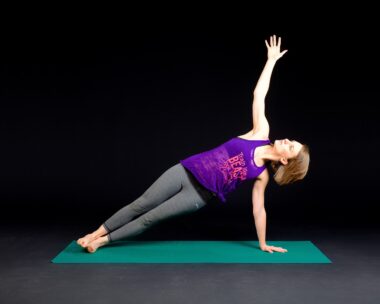
Another effective strategy within warm-down exercises involves utilizing yoga principles to promote body awareness and flexibility. Incorporating poses like the downward dog and child’s pose can significantly support a smooth recovery process. These poses foster a sense of relaxation while simultaneously aiding muscle recovery. Moreover, yoga enhances both flexibility and mental focus, creating a holistic approach to post-exercise routines. Gentle movements not only foster emotional tranquility but also support mental resilience during training. Prioritizing these aspects ensures that athletes can efficiently manage stress levels associated with intense training schedules. Practicing yoga post-exercise allows athletes to listen to their bodies while adjusting their routines accordingly. Further, using the principles of mindfulness enhances self-awareness, ensuring higher efficiency in future efforts. Developing a deeper mind-body connection during warm-down routines can positively influence overall athletic performance levels. Additionally, integrating breath-focused techniques while practicing yoga during warm-down enhances recovery. Engaging in consistent yoga practice post-exercise reinforces a long-term commitment to physical and mental health. Athletes who embrace yoga within their warm-down engage in a more comprehensive path towards sustainable fitness.
Benefits of Active Recovery
Active recovery has emerged as an essential component of warm-down routines for athletes, fostering significant advantages. Engaging in low-intensity activities, such as swimming or cycling, serves to break up lactic acid from muscle tissues, enhancing recovery. This form of recovery is beneficial as it maintains blood flow, promoting overall healing while preventing stiffness in muscles and joints. Active recovery also facilitates a gradual transition from the high energy demands of intense workouts to rest. Emphasizing consistent implementation of active recovery helps athletes develop durability over time, establishing a pattern that reduces injury risks. Furthermore, understanding the body signals during these sessions is crucial, allowing individuals to modify intensity based on fatigue levels. Incorporating team activities encourages motivation, making the recovery process enjoyable. Thus, athletes can cultivate a supportive environment while allowing for camaraderie during cooldowns. Additionally, active recovery presents an opportunity for skills maintenance. Implementing light drills focuses on refining techniques while allowing muscles to recover. This approach ensures a balance between recovery and practice without subjecting the body to added stress. Beyond physical benefits, active recovery contributes to enhanced mental preparedness for upcoming challenges.
Monitoring recovery through tracking warm-down exercises ensures athletes remain aware of their progress during this critical phase. Utilizing technology such as fitness trackers and applications can help keep records of heart rate and exertion levels during cool-down routines. Athletes can identify patterns and adjust their warm-down strategies accordingly to optimize recovery. Consistently evaluating performance indicators empowers athletes to take charge of their rehabilitation journeys and recognize when modifications are necessary. Moreover, understanding adaptive responses enhances injury prevention strategies within warm-down exercises. Athletes can develop better awareness around their body’s recovery signals by analyzing physiological responses. Setting specific recovery goals contributes to long-term injury prevention while promoting overall fitness development. Integrating a review process encourages athletes to compile notes on their warm-down exercises, thus facilitating personalized routines over time. Additionally, incorporating feedback from training partners strengthens accountability, fostering a growth-oriented mindset. This collaborative practice allows for shared learning experiences, enabling athletes to refine their warm-down strategies continually. As they strengthen their understanding of individual needs, athletes can effectively transition from mindsets that revolve around performance to those emphasizing sustainability and injury prevention.