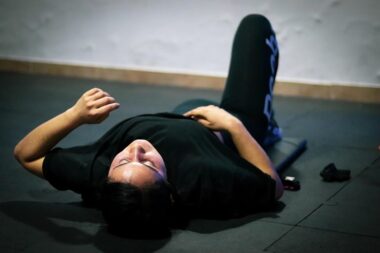

Core Stability Tips for Seniors: Enhancing Everyday Functionality
Core stability is vital for seniors as it enhances balance, coordination, and overall body strength. A strong core comprises various muscles, including those in the abdomen, lower back, and hips. Developing core strength significantly enhances daily functionality, aiding in activities such as standing, walking, and even bending. For seniors, incorporating core exercises into their routine can help prevent falls, a common concern in this age group. A few effective exercises can include seated leg lifts, standing marches, and gentle rotations. Each of these helps engage core muscles while being safe to perform. Seniors should aim to include these exercises a few times a week, gradually increasing the intensity as they grow stronger. Remember, the goal is not just strength but also stability in movements. Creating a consistent habit can lead to lasting improvement, encouraging greater independence in daily tasks. Additionally, routine check-ups with healthcare professionals can ensure that seniors adapt exercises correctly to avoid injuries chronic conditions and promote overall wellness. Consistency and patience are crucial for long-term success, allowing seniors to enjoy a healthier lifestyle and improved quality of life without excessive strain.
The Importance of Core Exercises
Core exercises become instrumental for seniors seeking to enhance their physical well-being. Integrating these exercises into their fitness regimen will yield several benefits. Improved core strength leads to better posture, helping to alleviate back pain often seen in older adults. Furthermore, stronger core muscles assist in maintaining balance; this reduces the risk of potentially dangerous falls. Engaging in core exercises also promotes flexibility, allowing seniors to move freely and complete daily tasks more efficiently. A stable core can enable smoother transitions when standing from a seated position or turning while walking. Implementing core exercises should focus on a variety of movements and stability challenges, like using exercise balls and resistance bands. These tools can provide gentle resistance, making workouts both effective and enjoyable. Regularly performing movements that target the core should lead to significant improvements over time. For beginners, starting with simpler exercises and gradually introducing more complex movements will enhance confidence. Seniors should maintain awareness of their capabilities, always prioritizing their safety to ensure a successful workout experience. Incorporating guidance from fitness professionals can further enhance understanding of proper technique and prevent injuries during training.
One key element to consider when focusing on core training for seniors is the incorporation of proper breathing techniques. Inhale and exhale appropriately while performing exercises can help engage the core muscles more effectively. Proper breathing not only enhances strength but also promotes relaxation, which is essential for older adults who may feel anxious or tense during physical activity. When performing core exercises, maintaining a natural breathing rhythm allows seniors to exert effort without straining themselves. Furthermore, breathing techniques can help in accurately communicating with the body, ensuring movements are executed with control and precision. Regular practice of core exercises can help seniors build a strong foundation for improved overall fitness. Creating a calm, safe environment for these workouts also helps alleviate any apprehension. Using soft flooring and supportive equipment, such as mats or cushioning, mitigates discomfort and promotes a positive experience. Participating in group workouts can also foster social connections among seniors, enhancing their motivation to stay active. Encouraging friendships within fitness routines creates an enjoyable atmosphere where participants can support one another and share experiences. Daily practice is essential to achieving lasting improvements in core strength for ongoing vibrancy and independence.
Setting Goals and Assessing Progress
Setting specific and achievable goals is crucial for seniors focusing on core training. Creating SMART (Specific, Measurable, Achievable, Relevant, Time-bound) goals can aid seniors in tracking their progress and maintaining motivation. Each goal should reflect the unique abilities of the individual, ensuring that it aligns with their current fitness level. For instance, if a senior currently performs ten seated leg lifts, a relevant goal might be to increase this count to fifteen within four weeks. Individuals can then monitor their progress weekly, adjusting goals as necessary to align with their growing confidence and strength. Documenting these achievements creates a tangible record of improvement, encouraging seniors to remain committed to their fitness journey. Regular check-ins with trainers or healthcare professionals can provide insights into their progress and necessary adaptations, ensuring safe training practices. Recognizing milestones throughout the journey can significantly boost morale; celebrating small victories leads to greater long-term success. Engagement in a supportive environment, whether through classes or informal groups, can foster camaraderie, sharing challenges and triumphs alike. These experiences create a sense of belonging and accountability, motivating seniors to continue their core training plans.
Incorporating variations into core exercises will challenge seniors while keeping their routines engaging. Exercises such as modified planks, pelvic tilts, and seated torso twists can target different muscle groups while enhancing core stability. This diversification not only strengthens different parts of the core but also prevents monotony in workouts, which helps with long-term adherence. Using various tools such as resistance bands or stability balls will increase the effectiveness of these movements. Seniors should begin slowly, mastering foundational exercises before progressing. It’s essential to encourage them to listen to their bodies and modify exercises as needed to accommodate soreness or discomfort. Additionally, rest periods between workouts can ensure proper recovery and prevent injuries. Maintaining hydration and nutrition support muscle recovery while emphasizing strength development. Engaging in gentle forms of exercise, such as Pilates or yoga, further supports core stability and flexibility for seniors. These practices can promote mindfulness and improve mobility, creating a holistic approach to fitness. Ensuring that the overall experience remains enjoyable and social can significantly impact retention, helping seniors embrace core training as an essential aspect of a healthy lifestyle!
Nutrition and Wellbeing
Nutrition plays a vital role in supporting overall wellness and core strength in seniors. A balanced diet rich in essential nutrients positively impacts muscle health and energy levels. Seniors should focus on incorporating high-quality protein sources, healthy fats, and plenty of fruits and vegetables to boost their nutritional intake. Such choices provide the necessary building blocks for muscle development and recovery, complementing physical activity. Staying adequately hydrated is also essential, as fluids support muscle function and overall bodily health. Acknowledging individual dietary needs, such as lower sodium or higher calcium intake, ensures that seniors meet their specific health requirements. Furthermore, understanding and addressing any dietary restrictions can enhance overall wellbeing. Collaborating with a registered dietitian can personalize meal plans based on preferences and health goals while ensuring an adequate intake of vital nutrients. By nourishing the body through proper nutrition, seniors can maximize the benefits of their core training routines. These dietary habits become not just a supplement to physical activity but an integral component of a healthy lifestyle. Ultimately, the combination of exercise, nutrition, and social engagement fosters a positive environment that enhances seniors’ well-being and quality of life.
Lastly, encouraging a supportive network helps to foster adherence to core training programs among seniors. Joining classes or group sessions offers opportunities for social interaction, providing motivation and accountability. Having workout partners not only makes exercising more enjoyable but also reinforces a sense of belonging within the community. Seniors often appreciate encouragement from peers who share similar experiences, making their fitness journey less isolating. Engaging in activities both physically and emotionally strengthens connections that foster encouragement and motivation. Additionally, seniors should explore online resources and community programs that offer group workouts or activities tailored for their age group. Virtual sessions can serve as a great alternative for those who may be hesitant to attend in-person classes. Creating a space for camaraderie among seniors reinforces the importance of maintaining active lifestyles and pursuing individual goals together. Ultimately, engaging in core training enhances physical strength and stability while providing an avenue for building friendships and support systems. These connections become essential not only for physical wellness but also for emotional health. Following a path of core training, seniors can embrace their independence, mobility, and vitality for future activities.
In conclusion, core stability training for seniors offers numerous benefits that can significantly enhance their everyday functionality. Engaging in regular core exercises helps build strength and improves balance, flexibility, and overall mobility. Incorporating proper techniques, nutrition, and support systems is crucial in developing a sustainable training routine. Setting achievable goals, monitoring progress, and exploring various core exercises can motivate seniors to stay active. Furthermore, drawing upon community resources and establishing social connections promotes a sense of accountability and support throughout the journey. Emphasizing the importance of safety, seniors should always seek medical advice before beginning any exercise regimen and maintain communication with healthcare professionals. Simple activities integrated into daily life can include gentle stretches, engaging in recreational sports, or using stability aids to enhance core engagement. Ultimately, embracing core training can significantly enhance the quality of life for seniors, allowing them to remain independent and vibrant in their golden years. With consistent effort, determination, and positive encouragement, seniors can strengthen their core and enjoy newfound freedom in their everyday activities.