
Hormonal Responses to Exercise Among Aging Populations
Understanding hormonal responses to exercise in aging populations is essential in health science. Aging brings hormonal alterations that affect metabolism, muscle mass, and overall fitness. The decline in hormones such as testosterone, estrogen, and growth hormone can significantly impact physical performance. Exercise can help mitigate these effects by stimulating hormone production. Resistance training, in particular, has shown to enhance hormonal responses, fostering anabolic processes necessary for muscle repair and growth. Older adults often experience sarcopenia, a condition characterized by muscle loss and weakness. Research indicates that exercise programs can elevate serum levels of anabolic hormones, aiding in muscle preservation and function. Furthermore, cortisol, a stress hormone, often increases with age, impacting recovery and health. By understanding these hormonal interactions, we can better tailor exercise programs to support older adults. These insights can facilitate the design of effective interventions aimed at promoting physical activity among the aging populace and enhance their quality of life through improved physical capabilities and metabolic health. The integration of strength training can lead to significant improvements in body composition, functional abilities, and psychosocial well-being, making it a vital component of aging interventions.
Hormonal fluctuations due to aging significantly impact exercise capacity and recovery in older adults. The decline in growth factors such as insulin-like growth factor 1 (IGF-1) and testosterone affects muscle hypertrophy and strength. Moreover, with aging, there’s often an increase in inflammatory cytokines, which can impair recovery and adaptation to exercise. These factors can ultimately lead to reduced motivation for physical activity. Notably, exercise can beneficially influence these hormonal profiles, improving overall metabolic health. Regular aerobic and resistance training has been shown to help regulate cortisol levels, enhance IGF-1 contributions, and boost testosterone levels in older males and females alike. Maintaining a healthy balance of these hormones is crucial for improving muscle function and supporting joint health. Exercise acts as a mediator for hormonal regulation through various pathways, thereby supporting physical adaptations that counteract the effects of aging. Furthermore, older adults often have a slower recovery process, which can discourage them from engaging in regular physical activity. A well-structured exercise program can improve physical fitness and mental well-being, significantly enhancing the quality of life for the aging demographic.
Benefits of Resistance Training
Resistance training has a pivotal role in promoting hormonal balance among aging populations. It primarily increases anabolic hormones that facilitate muscle growth, strength, and repair. Testosterone levels, which typically decline with age, have been shown to rise in response to strength training regimens. This is vital, as adequate testosterone contributes to muscle protein synthesis, which is crucial for combating age-related muscle loss. Growth hormone, which supports tissue growth and fat metabolism, also often sees elevations following resistance training sessions. Importantly, strength training not only increases these beneficial hormones but also influences their receptors, improving the body’s responsiveness to hormonal signals. Furthermore, resistance exercise can support improvements in insulin sensitivity, reducing the risk of type 2 diabetes among older adults. With regular engagement, these exercises can contribute significantly to improved physical independence among seniors. Alongside these hormonal benefits, resistance training can also reduce symptoms of anxiety and depression, showcasing its dual role in physical and mental well-being. Overall, the hormonal benefits gained from resistance training underline its necessity within an exercise regimen tailored for the aging population.
Exploring the impact of cardiovascular exercise on hormonal responses in aging individuals reveals substantial benefits as well. Aerobic activities such as walking, cycling, or swimming improve cardiovascular fitness and positively influence hormonal health. Endurance training has been linked to enhanced fat oxidation, better glucose regulation, and improved hormonal profiles. For instance, studies have indicated that regular aerobic exercise can help reduce levels of the stress hormone cortisol while simultaneously elevating serotonin, improving mood and overall mental health. Aging individuals often face challenges such as cognitive decline and emotional issues; however, engaging in regular cardiovascular activities can sharply mitigate these problems. Moreover, aerobic exercise promotes the release of endorphins, often referred to as ‘feel-good’ hormones, which help in enhancing overall well-being. The combination of resistance training and aerobic exercise offers a comprehensive approach, optimizing hormonal health and functional abilities. This dual exercise strategy can lead to enhanced physical performance, independent living, and reduced mortality rates in older populations. Overall, the synergistic effects of various forms of exercise create a holistic approach toward managing hormonal health among aging individuals.
Impact of Hormones on Mental Health
Hormones significantly influence not only physical health but also mental well-being, especially in aging populations. With age, hormonal shifts can contribute to mood disorders and cognitive decline, presenting a dual challenge for elderly individuals. Estrogen and progesterone fluctuations in women can lead to increased incidence of anxiety and depressive symptoms during menopause. Similarly, reduced testosterone levels in aging men may correlate with increased fatigue and anemia of aging, which further affects mood and motivation levels. There is a notable interplay between physical exercise and hormonal impacts on mental health. Regular exercise promotes hormonal balance, including the release of neurotransmitters that improve mood and reduce anxiety, benefiting older adults facing hormonal-induced mental health challenges. Furthermore, engaging in social and group exercise activities can bolster emotional support and community engagement. Exercise-induced hormones like endorphins and dopamine can lead to improved feelings of happiness and fulfillment. Thus, combining physical activity with psychological strategies can foster resilience and contribute to a holistic approach in managing both physical and mental health among aging individuals. The positive feedback loop of physical activity improving hormonal health and, consequently, mental wellness is crucial in elderly care.
Nutrition plays an equally pivotal role in hormonal responses to exercise among aging populations. Adequate nutrition helps ensure that older adults maximize the hormonal benefits derived from their physical activity. Consuming a balanced diet rich in proteins, healthy fats, vitamins, and minerals supports muscle repair and optimizes hormonal activities. Amino acids, particularly from protein sources, are critical for stimulating muscle protein synthesis and hormone production. Additionally, micronutrients such as zinc and vitamin D are recognized for their roles in maintaining testosterone levels and overall hormonal health. Hydration is another critical factor, as insufficient fluid intake can lead to elevated cortisol levels, negatively impacting recovery and hormone balance. Pairing exercise with nutrient timing can further optimize hormonal responses. For instance, consuming protein and carbohydrates around workout times can enhance post-exercise muscle recovery and stimulate anabolic hormones. Furthermore, diets rich in antioxidants may help combat the oxidative stress associated with aging. Creating a comprehensive nutrition and exercise plan can thus be a powerful strategy to optimize hormonal health. Overall, the synergistic relationship between nutrition and exercise sheds light on holistic approaches for healthier aging populations.
Conclusion and Recommendations
In conclusion, understanding hormonal responses to exercise among aging populations is critical in crafting effective health interventions. The strategic incorporation of both resistance and aerobic exercises can yield favorable hormonal adaptations, significantly benefiting physical health and mental well-being. Addressing hormonal decline through targeted physical activity enhances fitness levels, maximizes muscle retention, and improves metabolic health. It is likewise essential to consider the nutritional support necessary to complement exercise efforts. Encouraging a balanced diet, alongside regular exercise, will support hormonal balance and recovery. Older individuals should be encouraged to maintain active lifestyles, emphasizing the importance of regular physical activities tailored to their capacity. Professionals working with aging populations should consider multidisciplinary approaches, integrating exercise physiology, nutrition, and mental health strategies into cohesive programs. These practices can function together to optimize overall health, ensuring improved quality of life for older adults. Future research should aim to explore additional nuances relating to different hormonal profiles in diverse aging populations, focusing on maximizing their potential for physical and mental wellness through exercise and holistic approaches.
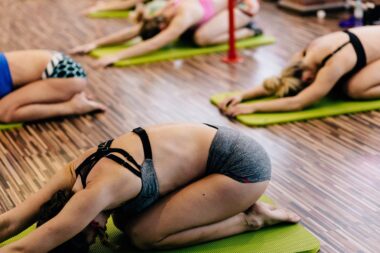
There’s a critical need for ongoing community initiatives aimed at promoting physical activity among all aging individuals. Programs should be developed incorporating personalized fitness plans, considering each individual’s physical capabilities, preferences, and health conditions. Encouraging social engagement through group activities can significantly enhance adherence to exercise recommendations, providing essential motivation for older adults. Community resources and local facilities should prioritize creating accessible environments that facilitate an active lifestyle. Overall, creating an environment that fosters resilience and encourages aging individuals to stay active is essential in tackling the lifestyle challenges many face. The collaborative effort of health professionals, community organizations, and family members can play a vital role in achieving these objectives. Furthermore, monitoring of hormonal responses in relation to exercise can empower professionals to fine-tune interventions, enhancing their effectiveness. The integration of ongoing support for physical activity into elder care systems is essential. Overall, a sustained commitment to empowering the aging population through exercise will yield long-lasting health benefits, creating a more active and socially involved elderly community. Ultimately, this holistic approach aims to enhance the quality of life for all aging individuals, impacting their resilience and well-being in profound ways.