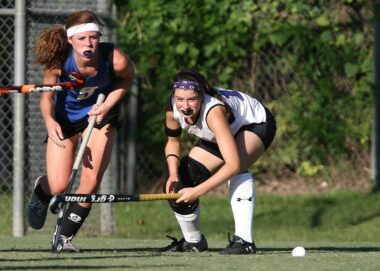

Integrating Circuit Training into Team Practice Sessions
Circuit training is an essential component of field hockey training, emphasizing skill development and physical fitness. Implementing circuit training in team practice sessions helps players enhance various athletic attributes. Coaches can design exercises focusing on strength, speed, agility, and endurance, which are critical for performance on the field. Each drill can target different muscle groups, ensuring comprehensive physical conditioning across the entire team. Moreover, circuit training fosters teamwork and unity as players rotate through stations. This setup not only maximizes training efficiency but also maintains player engagement. Consistent implementation leads to improved aerobic capacity, muscular strength, and agility, vital for the fast-paced nature of field hockey. Coaches should ensure that each exercise relates directly to field hockey skills, thereby increasing its relevance. By integrating circuit training into practice sessions, teams cultivate a multifaceted approach to development, promoting overall athleticism. Additionally, the variety in training ensures players remain motivated and enthusiastic. The key is to find a balance between skill training and fitness to maximize player potential throughout the season. Coaches should evaluate the effectiveness of circuit training through performance metrics and ensure continuous improvement throughout the training period.
Creating a well-structured circuit training routine allows players to tackle specific skills relevant to field hockey. Drills can include agility ladders, cone drills, and ball-handling exercises, enhancing coordination and control under pressure. Coaches must tailor the exercises according to the team’s overall ability, ensuring inclusivity for all skill levels. Dividing the team into smaller groups can foster healthy competition while maximizing drill effectiveness. Players should be encouraged to push each other positively, ensuring improved collective performance. Implementing timing and scorekeeping during drills can keep intensity high and maintain focus. During these practice sessions, regular feedback from coaches becomes crucial; constructive comments help players refine their techniques. Each session should incorporate a cool-down phase to reduce injury risks and facilitate recovery. Additionally, monitoring player fatigue levels ensures individuals do not overexert themselves, preserving overall health. Tracking progress through measurable goals aids in motivating players for continuous development. Consistent practices can lead to noticeable improvements over time, greatly benefiting both individual and team performance. coaches should rotate circuit training elements regularly to introduce fresh challenges and prevent monotony during training.
The implementation of effective circuit training should prioritize safety and injury prevention during sessions. Each station needs proper equipment and clearly defined instructions to ensure players execute exercises correctly. Warm-ups before commencing the circuit are also essential for preparing muscles and reducing injury risks. Coaches must emphasize proper form, urging players to focus on technique rather than solely on speed. Adequate hydration and recovery breaks are essential, as field hockey can be physically demanding. Health and wellness should remain paramount in all training protocols. Additionally, keeping an open line of communication between players and coaches encourages players to express any discomfort during the practices. Incorporating stretches and mobility routines is beneficial, offering further injury prevention measures while enhancing flexibility. Players should be educated about the significance of listening to their bodies and recognizing signs of fatigue. Introducing team-building activities during circuit training offers a social aspect, facilitating camaraderie. These drafts not only enhance fitness levels but also strengthen relationships within the team. Ultimately, creating a supportive atmosphere encourages players to give their best and engage fully in the training process.
Measuring Effectiveness and Progress
Assessing the outcomes of circuit training is essential to ensure its effectiveness in overall player development. Coaches should employ several metrics to track progress, including strength assessments, agility tests, and endurance evaluation. Regular testing creates a framework for measuring physical improvements accurately throughout the season. Additionally, soliciting player feedback on the circuit training routine can provide insights into their perceptions and preferences. This collaborative feedback can lead to adjustments enhancing the training program, ultimately increasing engagement and performance quality. Analysing performance during actual match scenarios gives context to improvements derived from training. An emphasis on both qualitative and quantitative metrics is essential for holistic development. Furthermore, establishing individual goals helps players remain motivated and focused on their personal growth. Incorporating these goals into training can inspire camaraderie, as everyone works collectively towards their targets. Visualization techniques can further help players mentally prepare and see themselves succeeding during matches. Coaches themselves must remain adaptable, evolving circuit rotations based on observed progress. Flexibility in training strategies is vital to meet the team’s evolving needs throughout the season.
Player assessments should also encompass tactical understanding of the game. Circuit training can be designed to incorporate tactical scenarios, helping players apply physical skills to real-game situations. For instance, including drills that simulate game conditions allows athletes to improve their decision-making skills while fatigued. This combination ensures that players become versatile in both physical and cognitive aspects of field hockey. Moreover, incorporating high-intensity interval training (HIIT) elements into the circuits can enhance anaerobic conditioning, essential for sustained performance during matches. Coaches are encouraged to create stations that still foster teamwork, reinforcing communication and collaboration. Additionally, reviewing video footage of the players helps coaches draw parallels between training progress and game performance. Feedback sessions reviewing these segments are beneficial for improving game strategy and application. Furthermore, incentivizing players through competitions among stations can encourage enthusiasm and increase energy levels. Concluding practice sessions with discussions about learning points promotes a culture of reflection and continuous improvement. Setting up a shared vision for the team can help everyone feel invested in the development paths they are embarking upon as athletes.
Maintaining motivation throughout the training process is essential for ensuring sustained player engagement. Coaches can incorporate fun elements into the circuit training routine, including challenges or pressures, stimulating a competitive spirit among players. Introducing new exercises periodically prevents training stagnation, providing surprises that excite players and provide new goals. Additionally, seasonal themes might enhance engagement, such as holiday challenges or friendly competitions between teams. Recognizing individual and collective achievements fosters a positive training environment, supporting personal evolution within a team setting. Implementing regular feedback tools like anonymous surveys can provide valuable insights into player satisfaction levels. Players who feel heard tend to remain motivated and committed to their teams amidst challenges. Scheduling downtime within the training cycle allows players to recover mentally and physically, avoiding burnout. It’s vital to emphasize learning as a continuous journey, and setting time frames for improvement can align efforts successfully. Furthermore, dedicating time at the end of sessions to discuss accomplishments reinforces cohesion among teammates. The focus on recognizing efforts is important in creating a positive culture that celebrates growth and nurtures healthier player development.
Final Thoughts on Circuit Training
In conclusion, the integration of circuit training into field hockey practices offers a pathway for comprehensive player development. Coaches must remain innovative, regularly updating exercises and explicitly connecting them to skills applicable on the field. This ensures players aggregate physical enhancements while developing vital game-related skills. Tailoring training activities to meet player needs fosters inclusivity and encourages engagement, paving the way for individual and team growth. The iterative process of reassessing training protocols enables adaptations that align with player performance metrics. Furthermore, building a team culture rooted in open communication and visualization encourages deeper connections among players, emphasizing the importance of working together towards common aspirations. Investing time in developing fitness and skill simultaneously maximizes practice efficiency, ultimately translating strengths into match performance. A positive and competitive approach to circuit training can strengthen team dynamics and instill confidence in players during matches. Coaches should continue monitoring progress and refining the program, demonstrating commitment to both individual and team success. Overall, the strategic integration of circuit training maximizes the potential of field hockey players, ultimately leading them to achieve excellence.