
Integrating Wearable Technology with Custom Workout Plan Generators
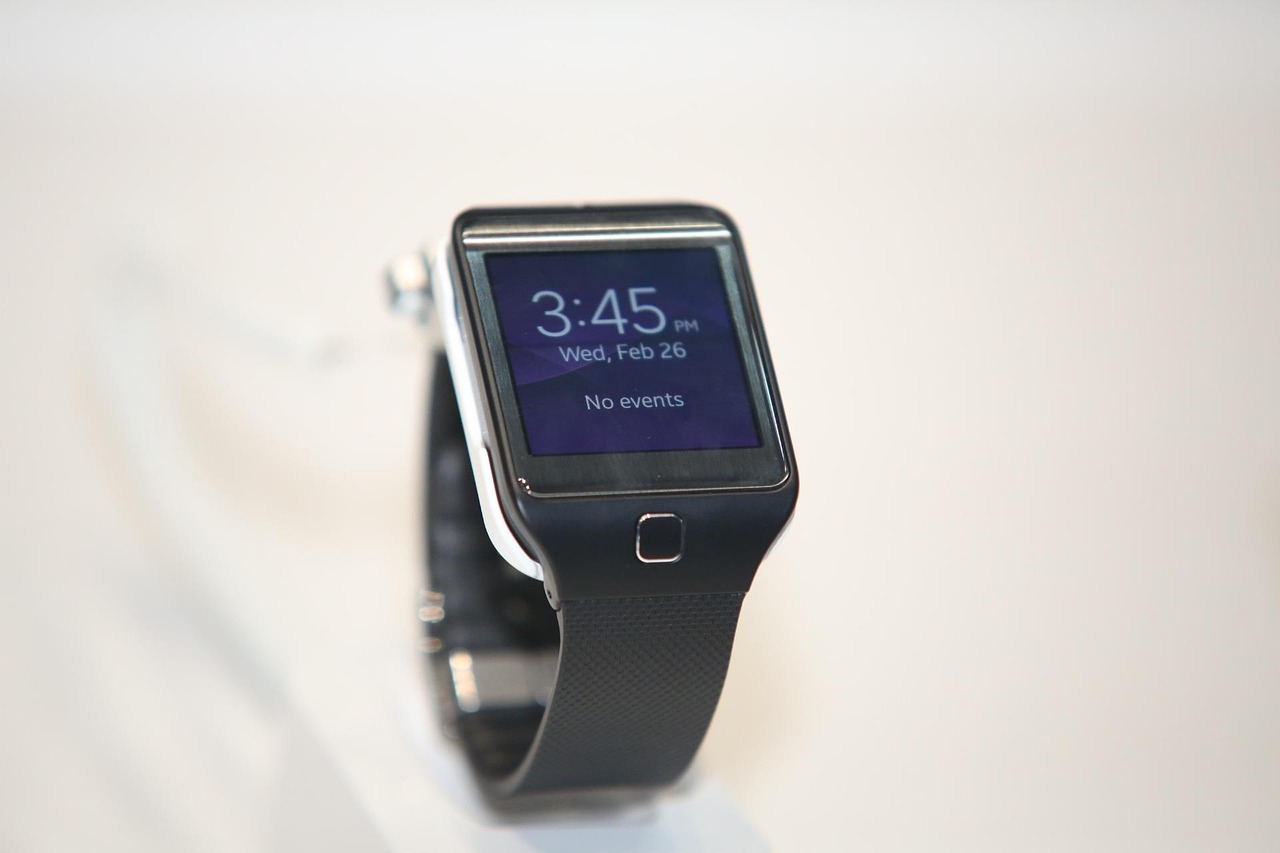
The fitness landscape is quickly transforming due to technological advancements, particularly through wearable technology. Devices such as smartwatches and fitness trackers have gained popularity for their ability to monitor various health metrics. These metrics include heart rate, calories burned, and even sleep quality, which contribute to a well-rounded fitness experience. The integration of wearable technology with custom workout plan generators can provide users with tailored fitness routines that adapt to their performance and progress. By analyzing data collected from wearables, developers can offer recommendations that align with individual goals. This combination can lead to more effective workouts and greater user satisfaction. Moreover, wearable technology can enhance user engagement by providing real-time feedback during exercises. This interaction keeps users informed and motivated to stick to their workout plans. The customization of workout plans becomes achievable through data-driven insights. By understanding their physical capabilities, users can optimize their fitness journeys, leading to better results. Therefore, the relationship between wearable devices and custom workout plans is an exciting area for further exploration in fitness apps.
Wearable technology offers several advantages for fitness enthusiasts seeking to enhance their workout experiences. One of the key benefits includes enhanced accuracy in tracking health metrics. This data can aid users in understanding their bodies more comprehensively, enabling them to push themselves without overexerting. Secondly, these devices facilitate accountability. Many wearables allow users to share their achievements on social media, fostering a sense of community and encouragement among peers. When integrating with custom workout generators, wearables can also help pinpoint areas in need of improvement, allowing for more informed adjustments. Another crucial aspect is the convenience they offer; users can easily monitor their performance on the go, making it simpler to stay on track. Furthermore, some applications allow users to set specific and realistic goals based on their tracked data, fostering a sense of accomplishment. This goal-setting feature also makes workouts more enjoyable by letting individuals work towards something concrete. As technology continues to evolve, the potential for combining wearable tech with fitness apps becomes limitless, driving innovation in the sector.
The integration of wearable technology and custom workout plans provides an opportunity for personalized training experiences. Personalization is essential in fitness, as individuals have different needs, preferences, and fitness levels. By utilizing data collected from wearables, users can achieve tailored workout suggestions that consider their current fitness status. For example, a smart device might recommend increasing the intensity of a workout if a user has been consistently meeting their personal goals. This adaptability is a powerful motivator, keeping users engaged and challenged. Furthermore, wearables like heart rate monitors ensure that participants train within their optimal heart rate zones, making routines more effective for fat loss or endurance building. This kind of data-driven feedback can improve performance metrics, ultimately leading to better health outcomes. Emphasizing personalization also enhances user satisfaction, as individuals feel their workout plans align better with their unique objectives. Overall, customizing workout plans based on inputs from wearable devices can improve the fitness journey, leading to higher success rates and consistent results.
Data Privacy and Security Considerations
As wearable technology becomes more integrated with fitness applications, issues surrounding data privacy and security come to the forefront. Users should be aware that fitness apps often require access to sensitive personal information. This information might include location, health metrics, and even daily habits. Therefore, it is paramount that companies prioritize user privacy and implement strong data protection measures. Users must ensure that the applications they choose allow them to manage their data effectively, including the option to opt-out of data sharing programs. Additionally, educating consumers about how their data is used allows them to make informed choices. Transparency regarding data collection practices also enhances trust between users and developers. It is crucial to have clear privacy policies that outline what data is collected and how it will be utilized. Moreover, advancements in encryption technologies can safeguard user data from potential breaches. By emphasizing the importance of data security, wearable tech and fitness app developers can foster a safer environment that encourages users to pursue their health goals without compromising their privacy.
The impact of wearable technology on motivation and accountability cannot be understated in fitness journey success. Many fitness apps now incorporate social features that allow users to connect with friends, share results, and even compete in challenges. This sense of community enhances motivation and can lead to better workout consistency. Additionally, features such as reminders and alerts keep users engaged throughout their fitness experiences. Wearable devices can send notifications prompting users to move or reminding them of scheduled workouts. Such nudges serve as powerful tools to combat procrastination and foster discipline. Moreover, virtual challenges, leaderboards, and achievement badges can create a gamified exercise environment which motivates users to improve their performance. Integrating these aspects into custom workout plans ensures users feel supported in their fitness journey. Moreover, positive reinforcement through acknowledging achievements further encourages adherence to workout schedules. By building a motivational framework, wearable technology and fitness apps become vital allies in sustaining long-term commitment to health and fitness goals.
Future advancements in wearable technology hold the potential to be game-changers for fitness apps and custom workout plan generators. Innovations in sensing technology may allow for real-time analysis of body metrics, providing even more accurate feedback to users during workouts. Potential future wearables could integrate artificial intelligence, adjusting workout recommendations instantaneously based on biometric feedback. Improvements in battery life, design, and functionality will also enhance user experiences. Similarly, AR and VR technologies could merge with wearable fitness devices to offer immersive workout experiences and simulated environments. Not only could this lead to more engaging workouts, but it could also increase adherence as new and exciting features attract users. Furthermore, as wearable technology becomes more affordable, a broader audience can benefit from custom workout planning tools. These advancements showcase a future ripe with possibilities for personal fitness journeys. The ongoing convergence of technology and fitness is poised to redefine how people approach their health. Overall, the landscape is continually evolving, and fitness enthusiasts should stay informed about what is emerging on the horizon.
In conclusion, the integration of wearable technology with custom workout plan generators represents a pivotal shift in the fitness industry. As users increasingly turn to smart devices for support, their workout experiences become richer and more personalized. By harnessing the power of data, fitness apps can successfully cater to individual needs and preferences, ensuring that users remain motivated while working towards their goals. Additionally, addressing data privacy and security concerns must be prioritized to foster trust between users and developers. The fusion of motivation strategies, social connectivity, and innovative technologies will personalize fitness, ultimately leading to better health outcomes. As the industry continues to evolve, staying updated on the latest trends will empower users to make informed decisions regarding their fitness journeys. The potential benefits from the synergy between wearables and custom workout generators are vast, showcasing a dynamic future of health management. Consequently, leveraging this technology effectively will be key in helping individuals achieve their desired fitness objectives. Combining these powerful tools creates a supportive environment encouraging users to push boundaries and lead healthier lives.
Integrating wearables not only enhances the delivery of workout plans but also transforms how users engage with their fitness goals. The confluence of technology, data analytics, and health awareness leads to a more optimized and efficient approach towards physical well-being. Through continuous advancements, the landscape of fitness apps will evolve significantly, enabling users to connect deeply with their health journeys.