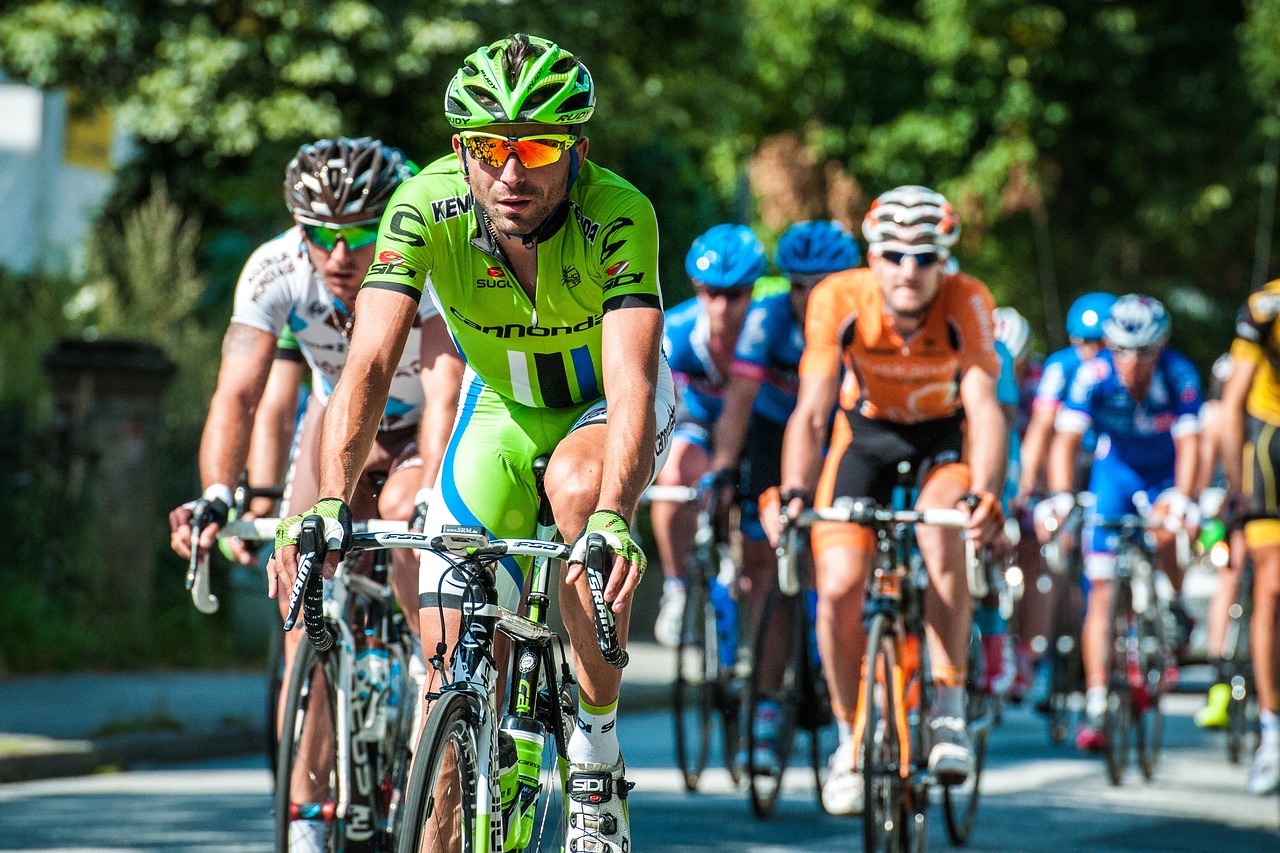

The History and Evolution of Road Cycling
Road cycling has a rich and fascinating history that stretches back to the late 19th century. It began with the invention of the safety bicycle in the 1880s, which featured two wheels of equal size. This innovation made cycling more accessible and popular among the masses. The first organized bicycle race took place in France in 1868, marking the beginning of competitive cycling. Initially, cyclists raced on unpaved roads, facing numerous challenges due to poor surface quality. As the interest in cycling grew, cities began to pave roads, improving the conditions for riders. In 1896, the first Olympic cycling events were held, solidifying the sport’s global presence. By the early 1900s, organized races such as the Tour de France emerged, capturing the imagination of cycling enthusiasts. These events pushed the boundaries of human endurance and showcased the potential of the bicycle as a mode of transportation. With the introduction of gears, lightweight frames, and specialized tires in the 20th century, road cycling transformed into a highly competitive sport. Today, it attracts millions of fans and participants worldwide, valued for both recreation and sport.
The Golden Era of Racing
The early to mid-20th century is often regarded as the golden era of road cycling. During this period, legendary cyclists emerged, paving the way for modern competition. Riders like Fausto Coppi, Eddy Merckx, and Gino Bartali became household names, inspiring future generations. The technology of bicycles evolved rapidly, integrating lighter materials and aerodynamic designs that significantly improved performance. Notably, the introduction of Campagnolo’s gear shift systems revolutionized gear management. Races like the Giro d’Italia and the Vuelta a España joined the Tour de France, creating a trifecta of prestigious events. Each race showcased the cycling world’s depth of talent and passion, drawing crowds like never before. Spectators became enamored with the intensity and strategy of each race, as well as the rivalry between cyclists. Notably, the advancements in nutrition and training techniques contributed to pushing endurance limits further than ever. The golden era was instrumental in establishing the global cycling culture we see today. These fascinating developments made the sport more exciting and competitive while inspiring numerous fanatical followers to take to the roads.
As cycling progressed, the introduction of international governing bodies helped standardize rules and improve safety. The Union Cycliste Internationale (UCI), founded in 1900, played a crucial role in uniting various national federations. By instituting rules and regulations, the UCI promoted fair competition and created a clear global structure for events. This helped solidify cycling as an organized sport rather than a mere recreational activity. By the late 20th century, the rise of technology transformed cyclists’ training methodologies forever. They began incorporating scientific training techniques, including performance analytics and video analysis, which provided insights into speed, efficiency, and recovery. This approach allowed cyclists to hone their skills systematically, pushing their limits. Furthermore, professional road cycling evolved into a lucrative career path, attracting sponsorships from large corporations. The sport became more accessible to the public, with amateur races promoting a sense of community. As participation grew, cycling clubs flourished, becoming a vital aspect of the sport’s growth and popularity. This remarkable evolution of road cycling drew fans and enthusiasts, allowing them to participate in events while fostering a supportive environment for all skill levels.
Modern Road Cycling Developments
In the late 20th and early 21st centuries, road cycling witnessed significant developments with the rise of technology, social media, and professional leagues. Technological advancements in bicycle design played a crucial role in improving performance. Manufacturers began utilizing carbon fiber, making frames lighter and more aerodynamic. This innovation meant professional cyclists could achieve higher speeds with less effort. Additionally, electronic gear shifting emerged, allowing for seamless transitions between gears, further enhancing riding efficiency. Social media platforms revolutionized the way fans interact with the sport, offering real-time updates, live race coverage, and direct engagement with riders. Furthermore, professional racing leagues expanded, allowing for more events and competitions worldwide. Major races began to adopt new formats and teams to increase engagement. Amateur cycling events grew in popularity, thanks to grassroots movements emphasizing inclusivity and community engagement. Local races foster a sense of belonging among participants, encouraging them to develop their skills in a competitive environment. These changes collectively helped the road cycling community flourish, creating numerous opportunities for personal growth and development while spirit of camaraderie remains central.
Another significant aspect of modern road cycling is the emphasis on health and fitness. As cycling became more mainstream, people began to recognize its mental and physical health benefits. Training on a bike provides a low-impact method of exercise that improves cardiovascular health while minimizing the risk of injury. Enthusiastic cyclists often share their experiences online, inspiring others to try road cycling as a viable fitness alternative. Moreover, group rides became a popular way for cyclists to bond and stay motivated. Many find it easier to commit to a training regimen when part of a social group. The role of advocacy for cycling infrastructure has increased significantly, as communities recognize the need for bike lanes and safe roadways. Local cyclists often promote initiatives to improve cycling conditions, contributing to sustainable transportation efforts. As urban areas face an increasing amount of traffic congestion, cycling is viewed as a practical solution for many commuters around the world. This development has sparked interest in electric bikes, expanding accessibility. Ultimately, the future of road cycling is bright as it adapts to user demands and societal needs while keeping its adventurous essence alive.
The Role of Women in Road Cycling
Traditionally, road cycling has been male-dominated; however, the inclusion of women in the sport has seen remarkable growth in recent years. Women’s cycling began gaining recognition in the 1950s, yet the sport struggled for acceptance, especially in competitive events. It was not until the 1980s that female cyclists began breaking into professional competitions, showcasing their skills, strategies, and endurance. National championships for women emerged, often reflecting the structure of men’s races, allowing women a platform to compete at high levels. As female athletes gained recognition, sponsorship opportunities became more available, empowering more women to pursue cycling as a career. By the 1990s, prestigious races began incorporating women’s categories, providing equitable competition. Modern cycling organizations have made it a priority to promote gender equality, supporting initiatives that encourage women’s participation at all levels. Today, female cyclists are underlining their importance within the sport, inspiring a new generation of female athletes. Grand Tours have even included women’s races, marking a significantstep forward in equality. The future is bright for women in road cycling, as they continue to shatter records and redefine our perception of the sport.
As road cycling continues to evolve, emerging trends are likely to shape its future. The increasing accessibility of cycling through technological advances offers opportunities for innovation and growth in both competitive and recreational biking. E-bikes are becoming increasingly popular, opening the sport to a wider audience, and providing an alternative for commuters and fitness enthusiasts alike. Additionally, advancements in wearables and health tracking technology allow cyclists to monitor their performance more effectively. This data-driven approach enhances their training while emphasizing health and well-being. Furthermore, environmental concerns are pushing for sustainable practices within the cycling industry. Manufacturers are looking to create eco-friendly bikes, utilizing recyclable materials and sustainable production methods. This shift reflects a broader push across many industries to embrace sustainability. Moreover, integrating cycling infrastructure in urban planning is crucial for reducing congestion and promoting healthier lifestyles. Advocates are urging local governments to invest in cycling networks to benefit both society and the environment. The future of road cycling promises to be dynamic, adapting to shifts in technology, demographics, and societal values. As it evolves, cycling’s essence as a passion and sport will remain, inspiring riders for generations.
In summary, the history and evolution of road cycling illustrate the sport’s remarkable journey from its inception to the robust community we see today. Key milestones such as the invention of the safety bicycle, the establishment of the UCI, and the rise of women in cycling provide a rich narrative, highlighting the sport’s adaptability. As road cycling continues to push boundaries, advancements in technology, infrastructure, and social engagement will shape its future positively. More than just a mode of transportation, cycling fosters connections among participants, promotes healthy lifestyles, and advocates for environmental sustainability. Enthusiasts can enjoy the diverse range of cycling experiences available today, whether competitive races or leisurely rides. Road cycling will continue inspiring people worldwide as communities recognize its potential in addressing pressing societal challenges. With new developments on the horizon, the cycling community looks forward to embracing change while honoring its storied past. Ultimately, road cycling is more than a sport; it empowers individuals, unites communities, and promotes a love for adventure and exploration on two wheels, paving the way for countless memories and experiences.