
Top 10 Exercises to Build Strength for the Planche
The planche is an advanced calisthenics move requiring substantial strength and control. To build the necessary strength for the planche, it’s essential to focus on multiple exercises that target various muscle groups. Begin with foundational movements, and progress to advanced skills. Here are some effective exercises that can help you develop the strength needed for the planche. These exercises also engage your core, shoulders, and wrists, essential for mastering this skill. Remember to maintain proper form to maximize strength gains and avoid injury. Each exercise can leverage your body weight for resistance, offering a practical approach to training. As you improve, gradually increase the difficulty by modifying the angles or adding time under tension. Consistency is key. Incorporate these exercises into your workout routine to ensure balanced development. Regular practice not only builds the required strength but also enhances muscle endurance and flexibility. Set measurable goals and track your progress to stay motivated and focused on your training journey towards achieving a full planche.
Foundational Exercises for Planche Training
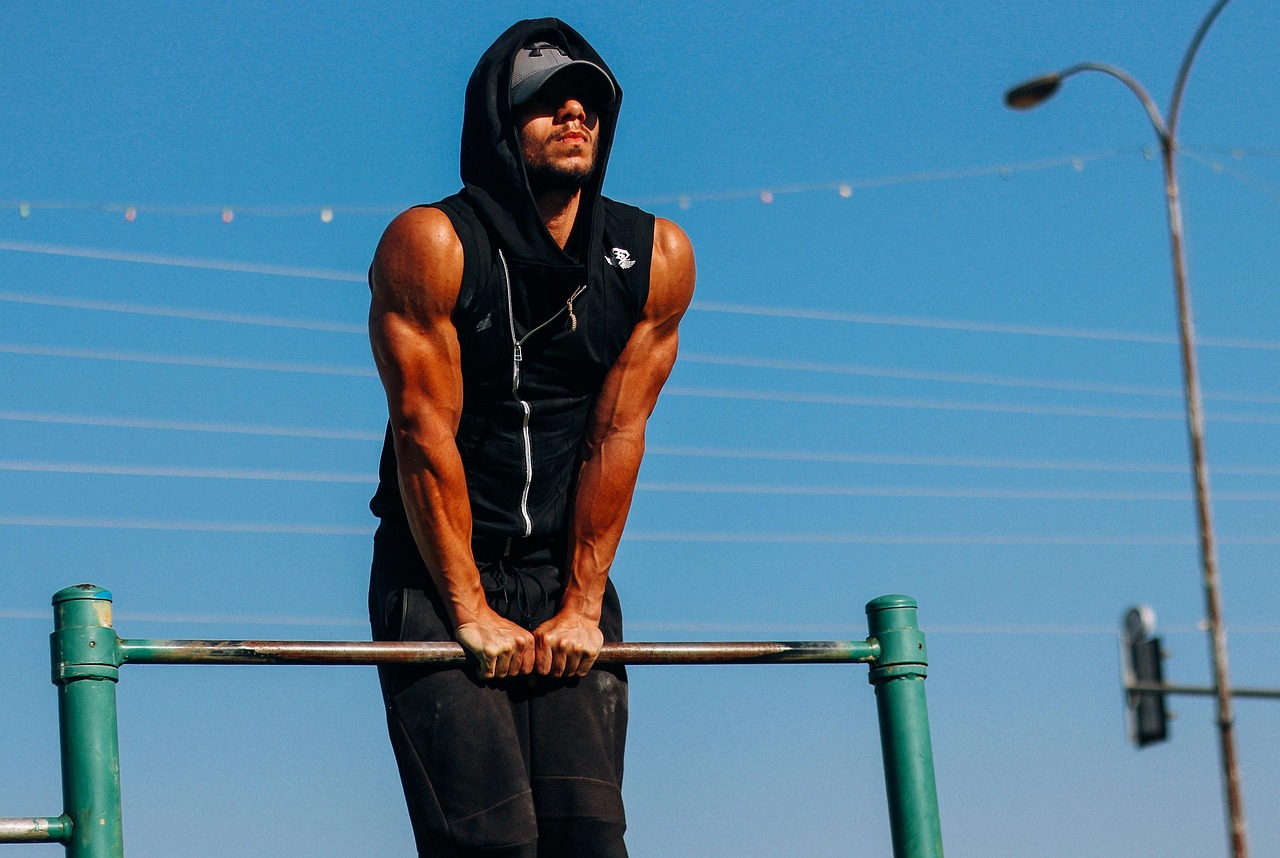
The progression towards a planche begins with foundational exercises. Start with a strong core and upper body foundation to safely transition into more complex movements. Exercises such as push-ups, dip variations, and planks are excellent choices. Push-ups help strengthen the chest, shoulders, and triceps, which are crucial for planche stability. Incorporate variations like diamond push-ups or archer push-ups to enhance difficulty and engage different muscle fibers. Dips target the triceps and shoulders while improving the stability needed for balancing during a planche. Use bars or parallel bars to perform dips correctly. Planks serve as an excellent core-strengthening exercise to aid in balance. Maintain a straight line from head to heels and increase your hold time to build endurance. Additionally, you can perform side planks for oblique enhancement. As these foundational exercises become easier, you’ll prepare your body for the more challenging exercises ahead. Incorporating isometric holds into these foundational exercises will significantly aid your progress. Always pay attention to your body’s feedback and increase workout intensity accordingly.
Another essential group of exercises includes those specifically designed to improve shoulder strength and flexibility. Keep in mind that shoulder strength is key to supporting your weight in a planche. Begin with exercises like shoulder taps or pike push-ups, where you adopt a pike position. Shoulder taps emphasize core stability while reinforcing shoulder strength. As you progress, attempt pike push-ups and incline push-ups to further build overhead pressing strength. These help condition the shoulders and upper chest. Moreover, wall walks are a fantastic addition to your routine. They not only improve shoulder strength and flexibility but also simulate the inverted position you’ll eventually hold in the planche. This prepares your body for the weight transfer needed. Consistency with these exercises will enhance your control and strength over time. Form is crucial in all these exercises, so ensure you maintain proper technique to avoid injuries. Always integrate some form of mobility work, particularly for the shoulders and wrists, to prevent injury and promote overall flexibility. A good range of motion helps with the required positions in planche training.
Advanced Progressions for Building Planche Strength
Once you’ve established the foundational strength, you can commence more advanced progressions. Such moves can include planche leans, planche tucks, and straight arm raises. The planche lean involves shifting forward from a push-up position, hence encouraging strength development in the shoulders and core. Gradually lean further forward as you gain strength and balance. It’s essential to avoid overextending and focus on maintaining control throughout the movement. Planche tucks are vital as they train your body to balance on your hands while tucking your knees toward your chest. By maintaining this tucked position, you enhance your core engagement. Lastly, straight arm raises are crucial for building strength required for stabilization during the planche. While performing these exercises, remember to incorporate rest days into your routine to avoid fatigue and injury. Your body requires time to recover and adapt to the stress placed upon it. Aim to hold each of the advanced positions for small increments to create strength and stability, progressively increasing as you improve.
In addition to the above, consider integrating specific flexibility and mobility exercises into your training regime. Flexibility is as crucial as strength for mastering the full planche. Incorporate wrist stretches, shoulder dislocates, and chest openers. These exercises will ensure your body is prepared to adapt to the extreme shoulder flexion and demanding positions. Wrist stretches can help prevent pain and stress during your workouts, maintaining longevity in your training journey. As your wrist strength increases, so will your comfort during planche training. Shoulder dislocates, often done with a resistance band or a stick, help maintain optimal range of motion. They allow for healthy shoulders throughout your training, facilitating a full planche. Additionally, implementing some back and hip flexibility exercises can aid in overall body mechanics and stabilization. Remember that flexibility is a supplement to the strength gained, and committing time to it will enhance your performance. Spend several sessions focused on just flexibility—this will pay off in the long run, especially when tackling more complex skills associated with calisthenics.
Recovery and Nutrition for Optimal Performance
As with any physical training, recovery plays a crucial role in your ability to strengthen for the planche. Proper nutrition is equally important, aiding muscle recovery and growth. Ensure you provide your body with sufficient protein to support muscle repair post-workout. Incorporate lean proteins into your meals such as chicken, fish, legumes, and dairy. Coupling protein with complex carbohydrates will ensure energy levels are maintained. Doing so will enable you to perform at your best during workouts. Staying hydrated is fundamental – drink ample water throughout the day. Additionally, supplement your diet with fruits and vegetables rich in vitamins and minerals. These assist in overall health and recovery. Regular sleep patterns also contribute to recovery. Aim for at least 7-9 hours of quality sleep to best support strength training efforts. Furthermore, engage in active recovery sessions consisting of light workouts such as walking or yoga. By allowing your body a chance to recover properly, you reduce the risk of injury, complete workouts with minimum discomfort, and maintain motivation to continue pursuing your planche goals.
In conclusion, building the strength necessary for achieving the planche involves dedication and varied training approaches. Check your progress regularly and set practical goals to keep you motivated. Frequent assessment will aid in modifying your workout as you advance, incorporating new challenges along the way. Each of the outlined exercises, from foundational moves to advanced techniques, plays a crucial role in your journey. Always ensure you are adhering to safe training practices and focusing on form. Seek guidance from experienced practitioners or use online resources to improve your technique as required. Don’t rush; building strength takes time and consistency. The planche is no easy feat, but through focused efforts, patience, and the right training approach, you can achieve it. Celebrate your milestones, however small they may seem, as they matter significantly in this journey. As you progress, consider documenting your journey—this can be motivational and provide insights into your path. Finally, remember to enjoy the process of training, as finding joy in the challenges will ultimately lead to success.