
Boosting Kids’ Immune System through Home Fitness
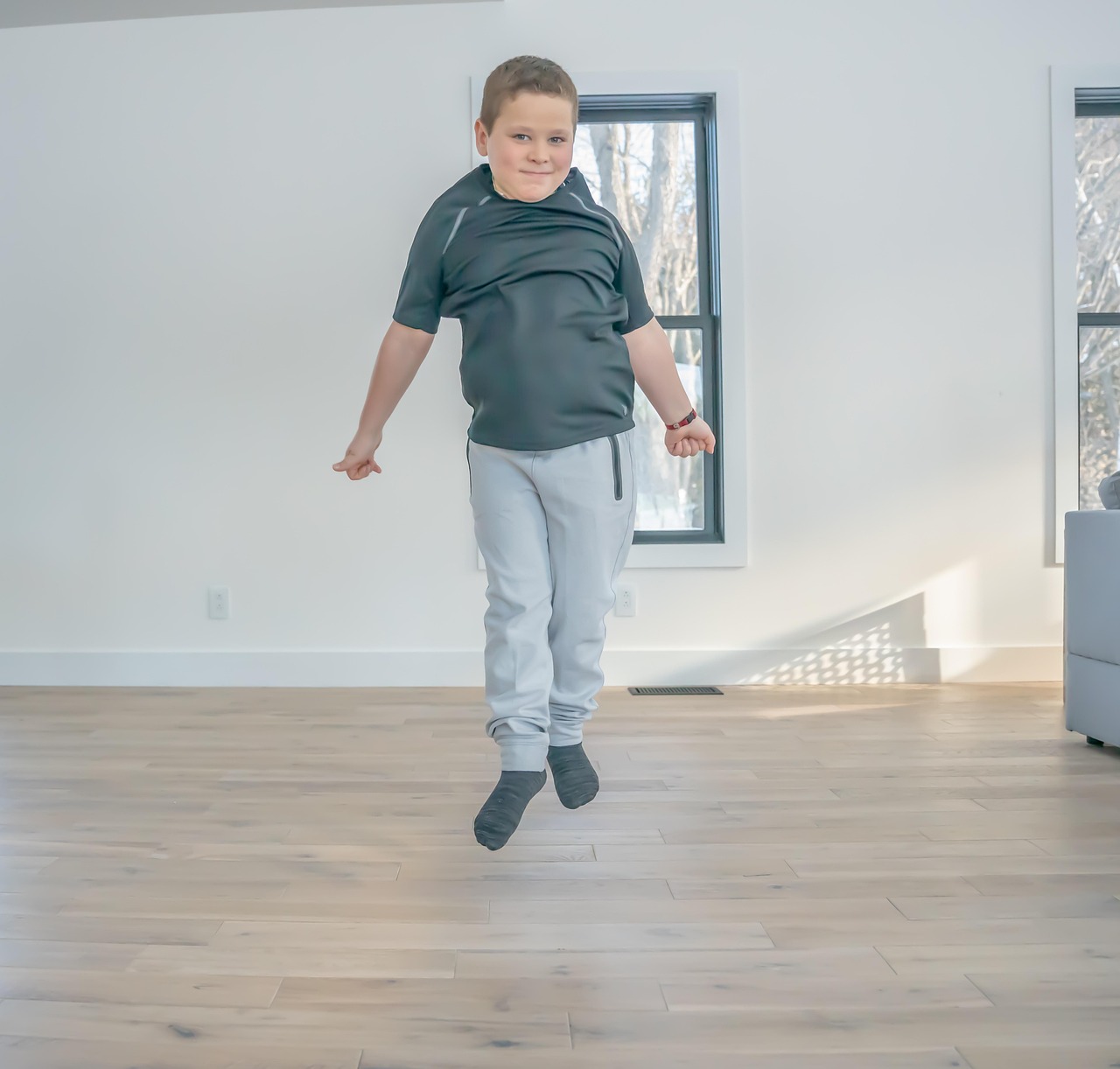
In today’s world, ensuring that children maintain a strong immune system has become increasingly paramount. One of the best ways to achieve this is through consistent home workouts. Engaging kids in various physical activities not only helps strengthen their immune systems but also promotes overall health. Home workouts are an excellent way for kids to stay active, especially during times when outdoor activities might be limited. Furthermore, these routines can be tailored to fit any space available. Children can engage in various exercises such as jumping jacks, squats, or even dance routines, which make fitness fun and enjoyable. Keeping them active bolsters their immune resilience, allowing them to better fend off diseases and ailments. This isn’t just beneficial in a physical sense; home workouts also provide a mental boost. Activities like yoga help reduce stress, contributing positively to their emotional health and overall well-being. Wholesome nutrition, combined with regular workouts, can lead to incredible improvements in their immune function and overall health. Making fitness a family activity can also enhance bonding while promoting a healthy lifestyle for everyone.
Why Fitness is Essential for Kids
Fitness is pivotal in childhood development, as it plays a crucial role in instilling healthy habits that can last a lifetime. When kids engage in physical activities, they don’t just build strong bodies; they also develop essential motor skills and coordination. These activities foster a sense of achievement that can boost their confidence and self-esteem. Home fitness routines should incorporate a variety of exercises that cater to different interests and abilities, making it important to keep activities diverse. Incorporating games that involve running, jumping, or dancing can help cultivate a keen interest in fitness from an early age. Moreover, regular exercise is linked to improved cognitive function and academic performance in children. Physical activity increases blood flow to the brain and enhances focus, enabling them to perform better in school. As their immune systems strengthen through exercise, they become more resilient to illness. This resilience can significantly reduce the number of days missed due to sickness. By emphasizing fitness in daily routines, parents can empower their children with the knowledge that a healthy lifestyle can contribute to a vibrant, disease-free life.
Finding the right activities for kids can be challenging, but there are numerous enjoyable options to choose from. Team activities, like group challenges or family fitness classes, can make exercises more enticing. Encourage children to pick activities they love; this way, they are more likely to stick with them. For instance, some might prefer dancing, while others enjoy yoga or martial arts. Mixing in fun elements, such as music, can also increase motivation. With platforms like YouTube offering countless child-friendly workouts, there’s no shortage of resources available. This accessibility means it’s easier than ever to integrate fitness into the home environment. Parents can also join in to set a good example while making exercise a family affair. Fitness doesn’t have to be a chore but rather a fun, engaging adventure that keeps kids active. Another effective way to inspire kids to exercise is through technology, like fitness trackers or apps tailored for children, which can make tracking progress and setting goals enjoyable. By planting the seed of fitness appreciation early on, parents can help ensure that children grow up understanding its importance to overall well-being.
The Role of Nutrition in Fitness
While exercise is important, it’s essential to recognize that nutrition plays a significant role in supporting an immune system fortified through home workouts. A balanced diet rich in fruits, vegetables, whole grains, and lean proteins is vital for children’s overall growth and development. These foods not only provide the nutrients necessary for energy and strength during workouts but also support the immune system directly. For instance, vitamin C-rich fruits, like oranges and strawberries, are known to enhance immune functions. Moreover, incorporating antioxidants found in berries and dark leafy greens helps combat oxidative stress and inflammation. Parents should encourage kids to make healthier food choices by involving them in meal prep and cooking, sparking greater interest in nutrition. Creating colorful plates filled with different nutrients can also be a fun way for kids to learn about healthy foods. Additionally, staying well-hydrated is crucial, especially during physical activity, as it supports optimal functioning of the body’s systems. Balancing proper nutrition with regular exercise creates a solid foundation for children’s health, making fitness both effective and enjoyable.
One fun way to engage kids in nutrition discussions is to organize family cooking nights where they can participate in creating their own healthy meals. These interactive sessions not only promote nutrition knowledge but also help develop lifelong cooking skills. It’s an excellent opportunity to explore new recipes, emphasizing creativity and healthy flavors. Moreover, teaching children how to read labels can empower them to make informed choices during grocery shopping. By understanding what goes into their meals, kids will likely make healthier eating choices over time. Another way to encourage mindful eating is by having family meals together. This time spent connecting over food fosters better eating habits and allows parents to model healthy behaviors. Involving kids in meal planning encourages them to choose nutritious options, making them more invested in their health. A whole-food diet, combined with consistent exercise, creates a powerful shield against illnesses and boosts their ability to grow and learn. By focusing on both fitness and nutrition, parents equip their children with the tools they need to thrive throughout life, ensuring they feel their best.
Creating a Routine
Establishing a consistent fitness routine can be one of the most effective strategies for promoting healthy habits in children. Routines create a sense of predictability and security which can help motivate kids to engage in home workouts regularly. Scheduling specific times for exercise ensures that it becomes a priority in their day, much like school or leisure time. Parents can join their kids during workouts to make the experience enjoyable while also leading by example. This shared time can help strengthen family bonds and encourage healthy competition in a fun way. Finding an activity everyone enjoys is important in creating a positive atmosphere. It’s great to mix things up with different types of exercises each week to keep routines fresh and exciting. You can incorporate family walks, virtual fitness classes, or even backyard obstacle courses that challenge children’s agility and coordination. Tracking progress as they develop new skills can also boost motivation, rewarding efforts with positive reinforcement. The key is consistency; making fitness a regular part of family life ensures long-term benefits for both health and happiness.
As children grow and develop a routine, it’s crucial to remain flexible and responsive to their interests. If they show a disinterest in certain exercises, try to find alternatives that can reignite their excitement. This could mean swapping an indoor workout for outdoor games, allowing them the freedom to explore different fitness styles. Encouraging kids to provide input on their schedules and routines fosters a sense of ownership over their fitness journey. Moreover, allowing them to establish fitness goals creates intrinsic motivation, guiding them to challenge themselves. Games and challenges that focus on teamwork or individual skills can help maintain their enthusiasm for exercise. Parents can also consider enlisting the help of family friends or neighbors, creating mini fitness groups within the community that promotes social interaction. This strategy can encourage accountability while making workouts more enjoyable. Providing gadgets such as jump ropes or fitness balls can entice kids to stay active during their free time. Ultimately, imbuing home workouts with fun and creativity is what will cultivate a love for fitness that can last a lifetime.
Conclusion: A Holistic Approach to Kids’ Health
In conclusion, integrating home workouts into children’s daily routines is vital for elevating their immune systems and overall health. Physical activity, paired with proper nutrition, establishes a strong foundation for a lifetime of healthy habits. Parents play a crucial role in shaping these behaviors by encouraging active participation in both meals and fitness tasks. Creating a holistic approach that combines fitness, nutrition, and family bonding experiences fosters a positive environment for children to thrive. As kids enjoy the process, they develop long-lasting relationships with exercise and healthy eating, empowering them through life to make wise decisions for their well-being. Remember, fostering a positive mindset towards health during childhood can influence their behaviors as they grow into adulthood. Encouraging regular home workouts and employing fun approaches to cooking is key to instilling healthy habits now and in the future. By prioritizing overall wellness, both parents and children can navigate life’s challenges with resilience. Investing time in home fitness will pay off immensely, shaping healthier generations ready to tackle any obstacle with vigor and determination.