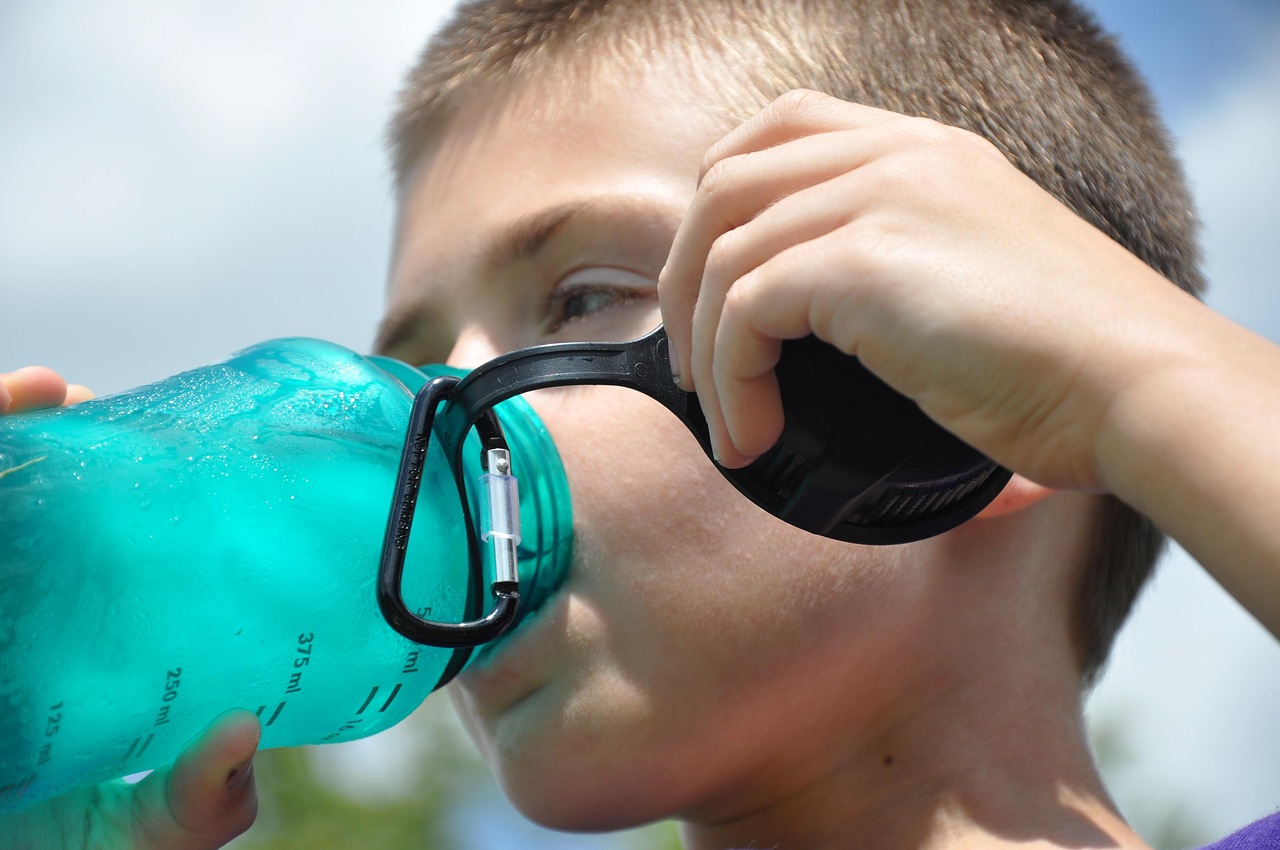

Hydration Tips During Long Triathlon Runs
Proper hydration is essential during long triathlon runs to maintain performance and health. It’s crucial for athletes to understand their hydration needs based on various factors like weather conditions, intensity, and individual physiology. Start hydrating several days in advance by consuming ample fluids to build reserves. Aim to drink at least eight to ten glasses of water daily in the days before the event. During the run itself, plan your hydration strategy based on the length of the run and your sweat rate. For runs lasting more than an hour, consider electrolyte drinks for optimal replenishment. These products help replace lost sodium and potassium which are essential for muscle function and performance. After the run, drink enough fluids to recover what was lost through sweat. An effective way to assess hydration status is by monitoring urine color. Light-colored urine indicates good hydration, while dark yellow suggests a need for more fluids. Staying hydrated not only improves endurance but also helps in reducing the risk of cramps or heat-related illnesses, making hydration knowledge a vital component of any triathlete’s training plan.
Hydration should be continuously monitored throughout your triathlon training. Regularly practicing your hydration strategy during training runs allows you to gauge the effectiveness of your chosen method. Consistent habits help the body adapt and perform at its best during events. Remember to listen to your body’s signals; thirst can guide you, but be careful not to wait too long to take action. If you wait until you feel thirsty, you may already be dehydrated. Set reminders on your watch or smartphone to take hydration breaks every 20 minutes or so during your training runs. This practice will help reinforce a routine where drinking fluids becomes second nature, ultimately improving your race day performance. Utilize drink stations set along the course or have your own hydration system, like a handheld water bottle or hydration belt. Experiment with different hydration options to see what works best for you. Some athletes prefer water while others might thrive on electrolyte drinks or gels. Adjust according to your personal preferences, and always prioritize hydration, especially when training in hotter climates which can increase fluid loss significantly.
Hydration Strategies During Different Conditions
Weather conditions can greatly impact your hydration needs during long runs. When running in hot and humid weather, an increase in sweat production requires higher electrolyte and fluid intake. Plan to drink more than the standard amounts recommended for cooler days. Pay attention to the signs of heat exhaustion, such as dizziness and excessive sweating. In cold weather, although you might not feel as thirsty, hydration remains crucial to prevent dehydration. Cold temperatures can also encourage the body to lose fluids, especially when running at high intensity. Even minor dehydration can impair your performance, so stick to a consistent hydration routine regardless of conditions. Also, be aware of how your body responds to hydration under different scenarios. Adjust your intake based on feelings of thirst and fatigue levels. Enlist the help of hydration packs or belts to easily carry necessary fluids on your runs. Keeping fluids accessible ensures you do not miss any opportunities to hydrate during intense training sessions. Each run is a chance to learn what hydration practices help optimize your performance in varying conditions.
Choosing the right types of fluids is another factor that affects your hydration strategy during long runs. Water should be the primary fluid choice for most runs, but for those lasting an hour or more, incorporating sports drinks can significantly enhance endurance. Look for drinks that are low in sugar and rich in electrolytes, providing essential support for effectively combating fatigue. Additionally, pay attention to your unique taste preference when selecting a sports drink—some may prefer flavored beverages over plain water. Gels and chews also provide hydration but should be part of a plan combined with water intake. Consuming these products enhances energy reserves and prevents bonking. It’s a balancing act; while it’s essential to drink regularly, avoid overhydration to prevent hyponatremia, a condition caused by excessive water intake leading to an electrolyte imbalance. Monitor your ingestion to find a successful routine based on trials during your training. Practice this before race day to avoid surprises, ensuring you are equipped and ready for optimal performance when it matters most, as every small detail contributes to overall success.
Post-Run Hydration Essentials
Hydration does not stop once you cross the finish line, and it remains vital during recovery. After completing a long triathlon run, ensure to rehydrate properly. Your body has just gone through a demanding task, and restoring fluids is crucial to recovery. Begin this process within thirty minutes post-run by consuming at least 16-24 ounces of water or an electrolyte-rich recovery drink. This initial rehydration helps replace fluids lost during the run. Continue hydrating throughout the rest of the day. You may find that your urine color darkens significantly after long runs, indicating further rehydration is necessary. Consuming foods high in water content such as fruits and vegetables can aid in this process as well. Foods like watermelon, oranges, and cucumbers are excellent choices to consider. Additionally, reaching the end of a run means your muscle recovery starts which is supported by adequate hydration. Proper hydration can help prevent soreness and supports function, meaning prioritizing fluids after running is as necessary as before and during your training regimen. Monitor your hydration consistently for optimal performance, especially as races approach.
Monitoring hydration levels through testing is a progressive way to improve your strategy. Conducting sweat tests can allow for precise tracking of fluid loss during training. To achieve this, weigh yourself before and after your run, ensuring to drink only water during the run. The weight lost during your workout indicates how much fluid you must consume post-run to replenish your balance properly. In addition to this method, explore using hydration tracking apps that help automate the process. Several smartphone applications can remind you to drink throughout the day and let you log your fluid intake. It’s easy to lose track of how much is consumed, especially during busy training phases. Visual cues, like setting water bottles in places you frequently visit, encourage drink reminders during the day. This practice can increase your overall hydration without much effort. The more aware you become of your individual hydration needs over time, the better you can prepare for events. Consider combining these personal discoveries with professional advice for optimal results as you enhance your hydration plan.
Conclusion on Hydration in Triathlon Runs
As you prepare for long triathlon runs, remember that hydration is as vital as speed training or skill development. Optimal hydration leads to better performance, faster recovery, and reduces the risk of injury. Training your body to recognize early signs of dehydration and responding correctly can provide significant advantages during races. Practice different hydration techniques during training runs, testing various fluids, timing for intake, and your unique requirements based on weather conditions. Reaching the right balance comes with trial and error, but it ultimately pays off as effective hydration reflects directly on your race performance. Always consider potential personal preferences for drinks or flavors to keep you motivated and committed during lengthy sessions. Embrace hydration as an essential practice to enhance your endurance, stamina, and overall health. Prioritizing hydration now means fewer problems on race day, allowing for a more enjoyable experience. Hydration is not just a small detail; it is a foundational skill that every triathlete should master. Start refining your hydration strategies today to prepare for the best results on race day.
Staying informed about the latest trends and insights in hydration can provide additional benefits. Join communities or follow social media channels that focus on triathlon training, where discussions on hydration are common. Asking questions from experienced athletes or coaches and sharing personal experiences can yield beneficial responses and reinforce your own strategies. Many clubs offer training programs that include hydration workshops on which one can glean invaluable insights into planning effective hydration strategies specific to one’s needs. Keep an eye out for local races that offer hydration-testing booths to learn about personalized drink plans directly related to your sweat rates. Participating in these workshops may open new possibilities for honing your existing methods. During training events, observe how seasoned athletes hydrate during long runs; these live examples can offer fresh perspectives. Make sure to stay curious and willing to adapt your plan based on advice and research. Remember that effective hydration is a continuously evolving subject, and staying updated can significantly influence your training outcomes, ultimately enhancing your triathlon performance and overall health.