
The Psychology of Spinning: Staying Motivated in Every Ride
Indoor cycling, often referred to as spinning, is a fitness phenomenon that is more than just pedaling in place. It encapsulates the psychological aspects that drive motivation among riders. Understanding these facets can significantly enhance your performance and experience. Among these factors is goal setting. Setting clear, achievable goals during spinning can create a sense of purpose. These goals should be specific and measurable, allowing you to track your progress over time. Moreover, the environment in which you ride can impact your mindset. Music, lighting, and the overall ambiance of a cycling studio can elevate your mood and improve your focus. The instructor’s energy plays a vital role too. Their enthusiasm can motivate you to push harder and stay committed. Group dynamics are another psychological feature to consider; the energy in a room filled with fellow riders can create an exhilarating atmosphere that inspires everyone. Finally, engaging in positive self-talk can boost your confidence and determination. By combining these aspects, you can enhance your indoor cycling experience and ensure each ride is a fulfilling one.
To further explore the psychological influence of indoor cycling, it’s essential to focus on the concept of community. The camaraderie formed within a cycling class fosters motivation through accountability and support. Being surrounded by like-minded individuals encourages participants to give their best effort, knowing others are sharing the same experience. Shared goals among classmates can also amplify motivation. For instance, training for a charity ride as a group can unite cyclists under a common objective, pushing everyone to work harder. The effects of friendly competition cannot be understated either. Tracking your performance on leaderboards or engaging in friendly challenges can elevate your drive to improve. It’s a healthy way to not only ignite determination but also to connect with others. Additionally, understanding the mental benefits of exercise, such as endorphin release, can reinforce the habit of cycling. The euphoric feeling post-ride further solidifies the practice as an enjoyable and rewarding endeavor. To reap these psychological benefits, consistently participating in cycling classes will yield the most profound results, enhancing your mental well-being through physical activity.
Harnessing Visualization Techniques
Another valuable psychological tool in spinning is visualization. Athletes often use visualization techniques to enhance performance, and indoor cycling enthusiasts can benefit from these practices as well. Before a ride, take a few moments to envision yourself achieving your desired outcome. Picture your energy levels rising as you pedal through a challenging session, breathing steady and strong. Visualizing success promotes a projection of confidence and capability. Furthermore, during the ride, practice maintaining positive imagery, focusing on strong legs and high energy throughout the session. For beginners, creating a mental image of yourself leading the pack can encourage you to push harder. These visual cues can help channel your mental energy toward reaching your goals, minimizing self-doubt. Additionally, incorporating affirmations can further solidify this concept. Simple phrases like “I am strong and capable” can reverberate through your mind as you ride. This combination of visualization and affirmations not only boosts motivation but serves as psychological reinforcement during challenging rides. By implementing these techniques actively, you can find a deeper connection to your indoor cycling practice.
Nutrition also plays a critical role in cycling motivation. What you fuel your body with directly impacts your performance and mental clarity. A well-balanced diet filled with whole foods can enhance endurance and energy levels, ensuring you feel prepared for each ride. Hydration is just as crucial; being well-hydrated can greatly influence your focus and stamina. Consider creating a pre-ride meal plan; consuming complex carbohydrates, proteins, and healthy fats can provide long-lasting energy. Experiment with different foods and timing to determine what works best for your body. Snacks like bananas or energy bars can also be helpful mid-ride for quick boosts. Remember, your mood is influenced by how your body feels. A lack of nutrition can lead to diminished motivation, causing you to skip workouts. It’s essential to prioritize proper nutrition and hydration before cycling sessions. Monitoring your intake will help raise your overall performance levels, keeping your motivation high. Seek guidance from a nutritionist if you require detailed insights or a personalized eating regimen to integrate seamlessly with your spinning routine.
The Role of Music in Motivation
Music has an undeniable influence on motivation during indoor cycling workouts, acting as a crucial psychological factor that elevates the overall experience. Upbeat tunes can energize riders, enhancing their ability to push through challenging intervals. Many instructors curate playlists specifically designed to match the tempo of the workout, ensuring that every beat aligns with the resistance and speed. Interestingly, studies have shown that synchronous music can increase cycling performance, enabling riders to ride longer and stronger. Additionally, personal taste is key; tracks that resonate with you can evoke powerful emotions and trigger positive memories, improving your mood. Consider creating your own customized playlist of motivating songs to keep you inspired during your sessions. Some find that certain genres, like electronic dance music, work particularly well due to their adrenaline-pumping beats. Furthermore, live DJ spinning sessions offer an exhilarating twist, providing adrenaline and excitement that can transform the cycling experience. Overall, tapping into the psychological effects of music can significantly increase motivation and enjoyment during indoor cycling workouts.
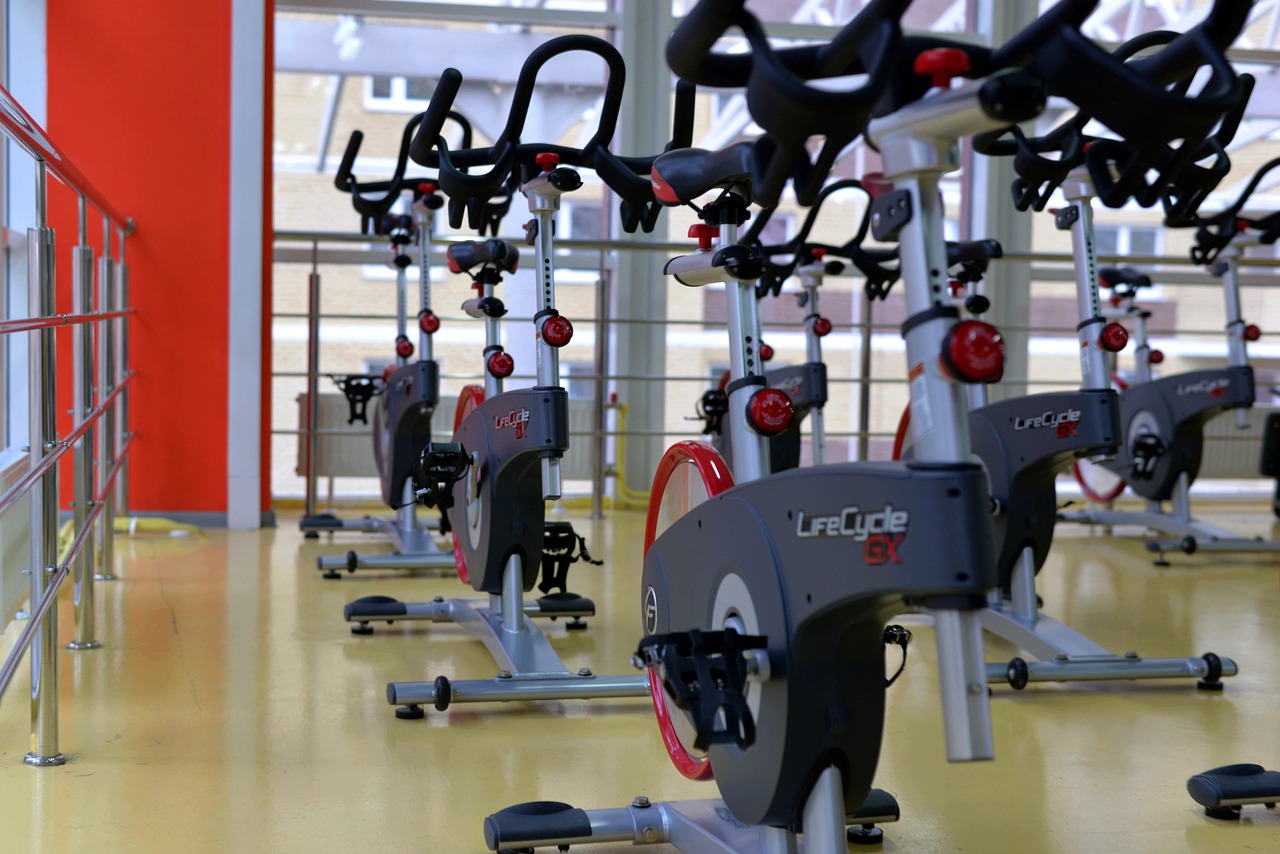
As with any workout, tracking your progress is crucial. Metrics set the stage for motivation and tangible results. By monitoring your cycling data, such as distance, speed, heart rate, and calories burned, you can gain a better understanding of your improvements over time. Many indoor cycling studios now provide technology through cycling bikes that tracks these metrics, making it easy to visualize progress. This data not only serves as a motivator but can also highlight areas for improvement. Setting up personal records allows you to challenge yourself, whether it’s cycling further or increasing resistance levels. Equally important is customizing your workouts. Tailor them to target specific energy systems or fitness goals that match your level. By incorporating diverse class types, such as high-intensity classes and endurance rides, you can keep the routine fresh and engaging. This adaptability helps maintain interest and commitment. Joining cycling challenges, whether individually or within a class, can also keep motivation high. Documenting and sharing achievements with the community can foster camaraderie, creating a supportive and motivational atmosphere.
Understanding Mental Barriers
Overcoming mental barriers is an important aspect of staying motivated in indoor cycling. Often, the mind can be one’s worst enemy, conjuring up doubts and discouragement. Understanding these barriers is essential to push past them effectively. Negative self-talk can create feelings of inadequacy, leading to hesitation in attempting more challenging workouts. Recognizing these thoughts for what they are simply an illusion can help dissipate their power. Acknowledge fear of failure and embrace it instead, knowing it’s part of the journey. Moreover, anxiety may stem from comparing oneself to others in the class. Remember that everyone’s fitness journey is unique and individual progress should take precedence. Creating a supportive mindset, practicing gratitude, and focusing on personal growth can combat these feelings. Consider journaling your thoughts and experiences related to biking. This reflection can enhance self-awareness and build a more positive self-image. Finally, celebrating small victories and personal milestones is critical. Every improvement is worth acknowledging, laying the foundation for sustained motivation and engagement in indoor cycling.
In conclusion, understanding the psychology behind indoor cycling is key to maintaining motivation and enhancing your experience. By implementing strategies such as community support, visualization techniques, musical engagement, nutrition, and overcoming mental barriers, you can transform each ride into an invigorating journey. Setting goals, tracking progress, and leveraging the collective energy of the cycling environment are paramount in keeping that motivation alive. Personalize your workout to incorporate various strategies that resonate with you, ensuring that indoor cycling remains a stimulating pursuit rather than a mundane obligation. Treat each ride as an opportunity to improve both physically and mentally, reinforcing a positive relationship with exercise. Engaging with fellow riders can provide necessary encouragement, while instructors can amplify motivation through positivity and engagement. Remember, it’s the journey that counts, not just the destination. Aim to challenge yourself, recognizing that every mile pedaled fuels both endurance and mental fortitude. By consciously exploring these psychological elements, indoor cycling can evolve into a fulfilling fitness endeavor that not only strengthens your body but also enriches your mind.