
The Role of Protective Gear in Sports Safety
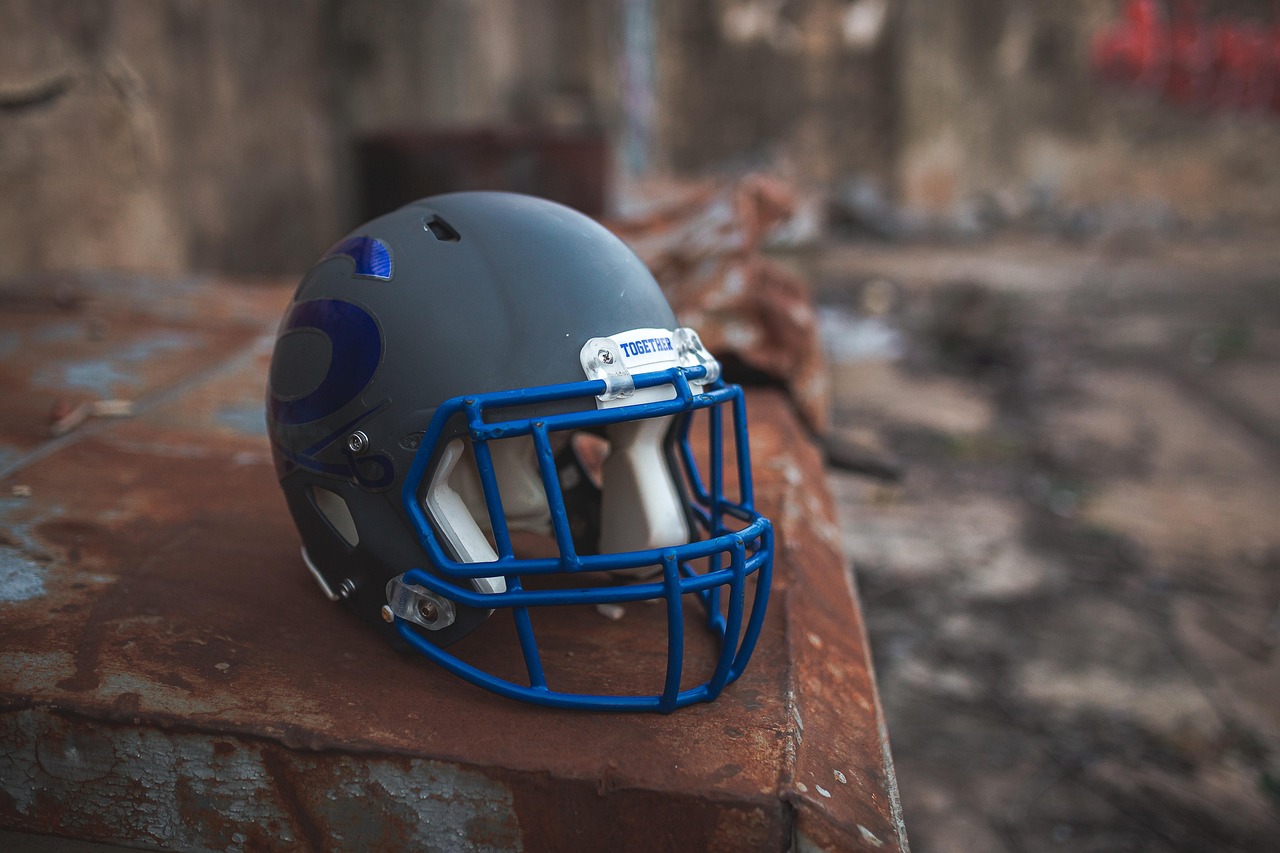
In today’s high-energy sports environment, the role of protective gear cannot be overstated. Protective equipment is critical in preventing injuries and ensuring athletes can perform at their best without fear. Various types of gear are available, including helmets, pads, and mouthguards, each serving a specific purpose. Helmets are essential in contact sports, safeguarding the head against concussions. Similarly, pads protect vulnerable areas like the knees, shoulders, and elbows during falls. Mouthguards offer additional protection to teeth and gums, minimizing oral injuries. Investing in quality protective gear not only helps in reducing injury risks but also boosts an athlete’s confidence. The right equipment can allow players to focus entirely on their game. Furthermore, staying updated with the latest advancements in protective gear technology is crucial, as these innovations continuously enhance safety features. Regular checks and maintenance of equipment can preserve its effectiveness. In conclusion, protective gear is an integral part of sports safety that benefits both amateur and professional athletes, promoting longevity in sports participation and health. Ultimately, it is the responsibility of coaches, trainers, and parents to ensure players wear appropriate protective equipment for their respective sports.
Another critical aspect of protective gear in sports safety is the education that accompanies it. Athletes of all ages must understand why they are wearing this gear and the importance of using it correctly. Knowledge about how protective gear functions can lead to better compliance, significantly reducing risks of injuries over time. Educating athletes on proper gear maintenance and inspection techniques is equally vital to ensure everything remains in good condition. For instance, ensuring that helmets fit snugly and are not outdated can dramatically improve their protective abilities. In many sports, coaches play an essential role in reinforcing safety measures and guiding their athletes. They should emphasize the importance of protective gear during practices and games. Additionally, sporting organizations and teams should provide training sessions that focus on safety protocols, including the correct use of gear. It allows a culture of safety to develop, encouraging athletes to embrace protective measures as part of their routine. Furthermore, team competitive events can incorporate gear safety awareness programs. It ultimately fosters an environment where athletes prioritize their well-being, leading to a significant reduction in injury rates.
Regulatory Standards and Compliance
The role of regulatory standards in ensuring the effectiveness of protective gear cannot be overlooked. Various sports governing bodies set specific guidelines to ensure that equipment meets safety requirements. These regulations often stem from a thorough examination of the sport’s risks and the potential impact on athletes. Compliance with these standards is critical for manufacturers and teams alike. For example, helmets used in football must pass rigorous testing to safeguard against head injuries. Manufacturers are often required to submit gear for testing through approved laboratories to ensure their products meet set criteria. If equipment does not comply with these standards, it can be deemed unsafe, which may place players at risk during competition. Additionally, organizations should conduct regular audits to verify that all protective gear utilized by athletes meets these regulations. Upholding these standards can also prevent legal challenges that may arise from injuries sustained due to faulty equipment. In the end, regulatory compliance serves as a benchmark for quality and ensures peace of mind for both players and their families.
Moreover, technological advancements have revolutionized how protective gear is designed and utilized in various sports. New materials provide better shock absorption, flexibility, and overall comfort. Innovations such as smart helmets with impact sensors or moisture-wicking fabrics greatly enhance athletes’ experiences. With continuous research and development in material science, future protective gear promises even greater safety. Sporting goods companies invest heavily in R&D to create gear that helps protect players against specific injuries based on sport activity data. These advancements can lead to lighter equipment, which naturally increases the likelihood that athletes will wear them consistently. Home training equipment that emphasizes safety can also lead to increased awareness about the equipment being used. Therefore, a combination of education, awareness, and technology is crucial for promoting sports safety through protective gear. As more athletes utilize cutting-edge protective equipment, it contributes positively to the overall sports injury landscape, creating a safer playing environment for everyone involved.
Implementation of Safety Protocols
In conjunction with protective gear, implementing comprehensive safety protocols is essential in minimizing sporting injuries. These protocols involve guidelines that engage all stakeholders involved in the athletics landscape. Teams, coaches, and players should all be on the same page regarding what is expected from everyone for safety. Regular training sessions on sports safety strategies create awareness and a culture of safety on and off the field. Properly educating all stakeholders ensures consistent messaging about using protective gear and following safety guidelines. For example, pre-season training should include safety drills and education about injury prevention techniques. Furthermore, venues and training facilities should conduct safety checks on playing surfaces and equipment before use. This step helps identify potential hazards that could jeopardize athlete safety. Safety protocols also extend to event scheduling, allowing for ample recovery time, preventing overtraining. Consistent adherence to safety protocols can foster an environment of trust, empowerment, and teamwork among athletes. Ultimately, working together, everyone plays a part in establishing a safer sports culture that prioritizes the well-being of all participants.
Furthermore, the psychological aspect of wearing protective gear plays a significant role in sports safety. Athletes who feel confident in their gear’s ability to protect them are often more willing to engage fully during competitions. This psychological edge can enhance performance and reduce anxiety about potential injuries. Understanding the importance of safety, gear manufacturers increasingly focus on creating visually appealing designs that attract athletes. Combining aesthetics with functionality may encourage athletes to wear their equipment more consistently, leading to improved safety. Additionally, analysts should study the influence of protective gear on performance metrics. By analyzing the data, coaches can identify potential correlations between gear usage and injury rates. This information can, in turn, help shape guidelines for gear usage during training sessions and competitions. With the involvement of sports psychologists, teams can develop tailored programs to instill confidence regarding gear in athletes, focusing on acceptance and trust in the equipment while also maintaining its effectiveness. Ultimately, addressing both the physical and psychological aspects of protective gear creates a holistic approach to sports safety.
Future Directions in Protective Gear Design
Looking ahead, the future of protective gear in sports is bright, as innovations are on the horizon. Advancements in smart technology can transform the design and functionality of gear, making it even more effective at preventing injuries. Concepts like wearables that monitor impact and biomechanical data can provide insight into how athletes are performing with their gear. Data collected from these devices can eventually guide improvements in equipment design. Additionally, sustainability is becoming a pressing focus among manufacturers as environmental concerns rise. Sustainable materials that maintain protective qualities can lead to new and environmentally friendly options in the market. Consumer trends also indicate a rising demand for products that prioritize health and wellness, and manufacturers must adapt. Creating customizable gear that caters to individual athlete preferences is another trend that is gaining traction. Personalized features can improve comfort and performance, encouraging athletes to use the equipment more frequently. In conclusion, the evolution of protective gear will not only prioritize athlete safety but also align with broader concerns in sports culture. It reflects ongoing commitment towards maximizing safety standards while celebrating innovation.
Finally, effective partnerships between sports organizations, manufacturers, and health professionals are crucial for promoting sports safety through protective gear. Collaborating efforts can lead to shared knowledge and resources that help maintain optimal safety conditions. Organizations could host workshops that educate athletes, coaches, and parents on the importance of protective gear, emphasizing its efficacy and necessity. Manufacturers can take initiative by offering equipment demos and explaining technologies in gear construction directly to teams and leagues. Health professionals contribute by providing insights into common injuries and rehabilitation, which underscores the importance of protective measures for prevention. Collaborations that maximize resources can facilitate comprehensive research tailored towards understanding safety and injury prevention in specific sports. Additionally, proactive approaches that implement feedback from athletes and coaches on gear usability can lead to better designs and technologies. In the long run, fostering these partnerships can create a unifying community around sports safety, leading to a culture focused on health and wellness. Every stakeholder involved has a role to play in ensuring that athletes remain healthy, safe, and enthusiastic about their participation in sports.